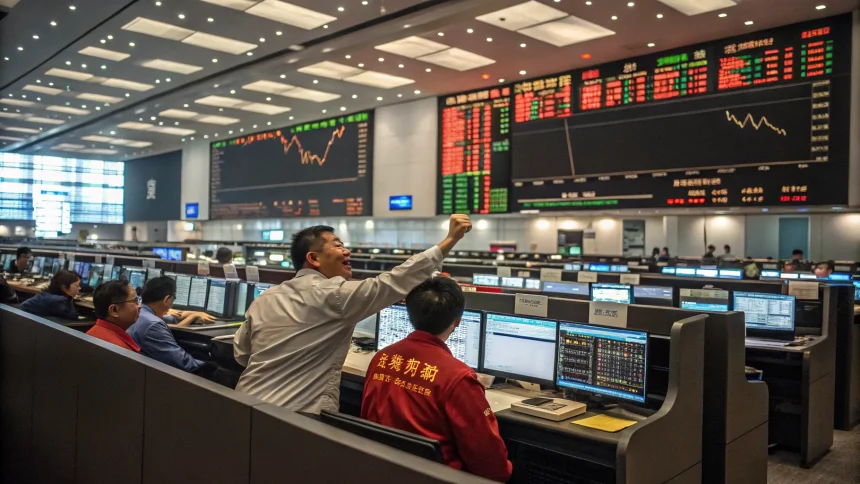
U.S. stocks roared back Thursday as investors welcomed a sudden cooling of Middle East tensions, sending major indexes sharply higher while oil prices slipped from recent peaks.
The move followed President Donald Trump’s decision to halt planned military strikes on Iran, a development traders read as a sign of reduced near-term risk. The bounce offered relief after a choppy stretch for markets worried about conflict in the Persian Gulf and its impact on energy supplies.
Major equities indexes bounced back Thursday, ending sharply higher as oil prices fell following President Donald Trump’s announcement that he had called off scheduled military strikes on Iran.
Why Markets Moved
Stocks rallied for a simple reason: lower perceived geopolitical risk. When the threat of conflict eases, investors feel safer owning riskier assets like equities. At the same time, oil reversed course. Prices had risen on fears that shipping lanes and output could be disrupted. The halt in planned strikes dialed those fears down, trimming the risk premium built into crude.
Safe-haven trades also cooled. When tensions rise, money often flows into assets like gold and government bonds. A step back from confrontation nudges that money back into stocks, especially sectors sensitive to growth and fuel costs.
A Fragile Calm With Real Economic Stakes
Energy costs ripple across the economy. Airlines, logistics firms, and manufacturers see margins shift with each move in crude. A fall in oil prices can act like a tax cut for consumers and businesses, improving sentiment and freeing cash for spending or investment.
But the calm is fragile. The Persian Gulf remains a flashpoint for global shipping. Any hint of new flare-ups can reverse market gains just as quickly. Investors are tracking signals from Washington and Tehran, as well as movements around key transit points like the Strait of Hormuz.
Winners, Laggards, And What It Means
Relief rallies often lift cyclical stocks first. Lower fuel costs can aid airlines and trucking companies. Retailers and consumer discretionary names may benefit if households expect cheaper gas and steadier prices.
Energy producers can lag on a down day for crude. Integrated oil majors may hold up better than smaller drillers thanks to diversified businesses, but price declines still weigh on revenue outlooks. Defense stocks can also soften when the threat of immediate action fades.
- Beneficiaries: Airlines, shippers, consumer-focused firms.
- Potential laggards: Oil and gas producers tied to spot prices; some defense names.
Recent History Sets The Stage
Market reactions to Middle East headlines follow a long pattern: oil jumps on risk, then retreats when tensions ease. In past episodes involving tanker incidents or drone strikes, rapid price moves often gave way to pullbacks once diplomatic channels reopened.
The broader market backdrop matters too. When growth data looks steady and central banks appear supportive, stocks can absorb geopolitical scares more easily. In shakier times, the same headlines can trigger deeper selloffs.
What Investors Are Watching Next
Traders are scanning for confirmation that both sides want to avoid escalation. Any new guidance from the White House or Pentagon will set the tone. Oil traders will track inventory data and shipping updates for signs of supply stress.
Earnings season is the next test. Management commentary on input costs, shipping insurance, and regional exposure will show how companies are planning for potential swings in oil and freight.
The Road Ahead
Thursday’s rally shows how fast sentiment can flip when risk recedes. It also highlights how sensitive markets are to headlines with real supply and security implications. The near-term takeaway is clear: less threat, firmer stocks, softer oil.
But a single decision does not remove the underlying dispute. If diplomatic momentum stalls, volatility can return. Investors may want to keep an eye on energy price trends, shipping activity, and official statements.
For now, the market has voted for de-escalation. The next move depends on whether cooler heads stay in charge—and whether the brief drop in oil turns into a steadier trend.