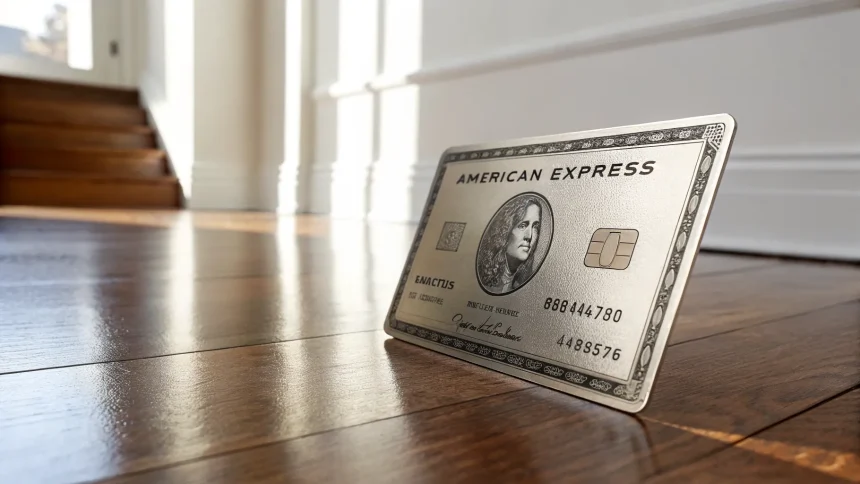
Decades before airport lounges became Instagram backdrops, American Express bet that travelers would pay for comfort, status, and time. That early wager on bundled perks helped shape the premium credit card market and set expectations that still drive competition today.
The company’s strategy centered on pairing travel points with real-world benefits at airports and hotels. It did so long before rivals like JPMorgan Chase and Capital One pushed into the same space. As air travel rebounded in recent years and remote work blurred schedules, demand surged for cards that smooth the trip and add value beyond points.
“American Express pioneered the premium credit card space decades ago with cards that bundled airlines and hotel perks with access to high-end airport lounges.”
How Perks Became the Product
American Express introduced metal-level prestige to consumer wallets in the 1980s with premium cards tailored to frequent flyers. Perks were not just sweeteners; they were the product. Lounge access meant a quiet seat, stable Wi-Fi, and a plate of food between flights. Hotel status delivered late checkout and upgrades. Airline partnerships brought fee waivers and preferred boarding.
As travel programs matured, Amex layered on credits and protections that attempted to offset rising annual fees. The pitch was simple: pay a high fee, get a stack of benefits that, if used, outstrip the cost. That model taught cardholders to think like accountants, tallying credits against fees each year.
The Lounge Effect—and Its Limits
Lounge access became the must-have perk, and Amex leaned in with its branded network. As membership swelled, crowding followed. Lines at lounge doors undercut the promise of calm. In response, access rules tightened, guest policies changed, and some benefits were pared back to preserve the experience.
The tension remains. Travelers want quiet, reliable spaces. Issuers want to add cardholders. Airports have finite real estate. The result is a rolling series of policy tweaks meant to balance access and exclusivity, often announced with little notice to customers.
Rivals Raise the Stakes
The field did not stay quiet. Chase launched a premium competitor with its own travel credits and Priority Pass access, setting off a surge in sign-ups. Capital One entered with a lower annual fee and a new lounge brand that challenged incumbents at select hubs. Airlines expanded their own lounge rules, sometimes making entry harder for general cardholders while rewarding heavy spenders.
This arms race pushed up annual fees across the category and diversified benefits. Wellness credits, rideshare partnerships, and expanded trip protection tried to stand out where points alone could not. Consumers won in choice, but faced homework to decide which stacks of credits were actually useful.
What the Data Says About Value
Value depends on behavior. A traveler who flies monthly and checks a bag may recoup a fee quickly through lounge visits and waivers. An occasional traveler may struggle to use all the credits before they expire.
- Frequent flyers benefit most from lounge access and elite-status perks.
- Casual travelers may prefer lower-fee cards with simple rewards.
- Credits with monthly expirations often go unused, reducing net value.
Industry surveys over the past few years show that lounge access ranks among the top reasons consumers choose a premium card, often ahead of point multipliers. That explains why issuers invest in branded lounges despite construction costs and operational headaches.
What To Watch Next
Three trends could shape the next phase. First, tighter access rules are likely as issuers try to control crowding. Second, partnerships with hotels and airlines may grow more targeted, favoring higher-spend users who drive fee revenue. Third, digital trip tools—real-time rebooking help, delay credits, and smarter insurance—may matter more than headline point bonuses.
For American Express, the original playbook still works, but it needs updates to keep pace with crowded terminals and price-sensitive customers. Competitors have proven they can match points. The harder task is delivering reliable, stress-cutting benefits at peak travel times.
The premium card story started with a simple promise: make travel better. As fees rise and lounge lines snake down concourses, the promise is being tested. Cardholders will keep doing the math, and issuers will keep tuning perks. Watch for sharper access rules, more selective benefits, and a steady push to prove that high fees buy real comfort, not just fine print.