A U.S. judge has ordered an immediate stop to taxpayer-funded advertisements featuring President Donald Trump ahead of the midterm elections, according to a court filing posted Sunday.
The Oct. 11 development puts new scrutiny on government advertising during a sensitive campaign period. It also raises a basic question: When does public information start looking like political promotion?
The filing described the order as an “immediate halt”. However, the available information did not identify the judge, court, government agency, advertising campaign, or legal grounds for the decision.
A Rapid Intervention Before Voting
The timing gives the order added political weight. Midterm elections decide control of Congress and affect the second half of a president’s term.
Presidents often appear in official government communications. Such messages may explain policy changes, promote federal programs, or alert the public to available services.
Those appearances can become controversial near an election. Critics may argue that public money is helping an incumbent or the president’s party. Government officials may respond that the ads provide useful information and are part of normal public outreach.
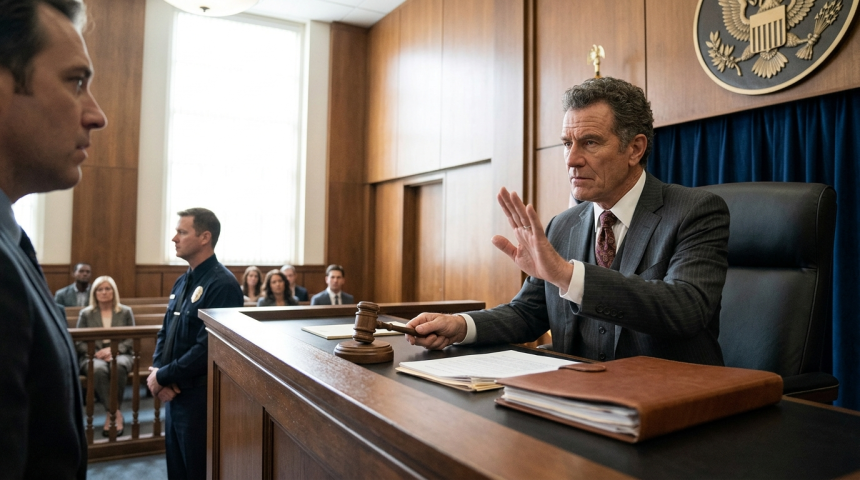
The judge ordered an “immediate halt” to taxpayer-funded ads featuring Trump in the run-up to the midterm elections.
The immediate nature of the order suggests the court saw a reason to act before the dispute could proceed through a longer review. Still, the brief account did not explain whether the halt was temporary or permanent.
What the Order Leaves Unanswered
Several facts will shape the political and legal impact of the ruling:
- Which federal agency paid for the advertisements
- Where and how often the advertisements appeared
- How much taxpayer money the campaign used
- Whether the ads discussed policy or election themes
- Whether the administration plans to appeal
Those details matter because not every government message featuring a president serves the same purpose. A public health notice differs from an advertisement praising an administration’s record. The wording, images, timing, and distribution can all influence a court’s assessment.
A Dispute Over Public Money and Politics
The case sits at the uneasy border between governing and campaigning. Presidents remain public officials during election season, but they are also their party’s leading political figures.
That overlap creates a recurring accountability problem. Taxpayers fund official communications, while campaigns and political parties are generally expected to pay for election appeals. The closer an official message comes to campaign promotion, the louder the objections usually become.
Supporters of the order may view it as a safeguard against using federal resources for political gain. They may also argue that election-season advertising requires stricter review because any advantage cannot easily be reversed after ballots are cast.
The administration could contend that the advertisements served a lawful public purpose and that featuring the sitting president did not make them campaign materials. No response from Trump or federal officials was included in the initial report.
Next Steps Could Define the Ruling’s Reach
Attention now turns to the written order and any government appeal. A fuller filing could explain which law the judge applied and whether the ruling affects one campaign or a wider group of federal advertisements.
For now, the clearest result is also the most immediate: the advertisements must stop. The larger fight will decide where courts draw the line between informing citizens and promoting a president as voters prepare to judge his party.