Salt Lake City is gearing up for a new era while keeping its quiet charm. As Utah’s capital sees steady growth and prepares for major events, leaders and residents are weighing how to keep the city’s easy pace intact. The question is simple: can a city known for space and views scale without losing what makes it special?
The metro area has added people and jobs over the past decade, drawing tech workers, outdoor lovers, and families. With the Winter Olympics expected in 2034, money and attention are flowing in. The city’s mood, however, remains measured. Locals point to parks, mountain trails, and tidy neighborhoods as reasons they stay.
“The capital of Utah is scenic and serene.”
Why Calm Still Matters
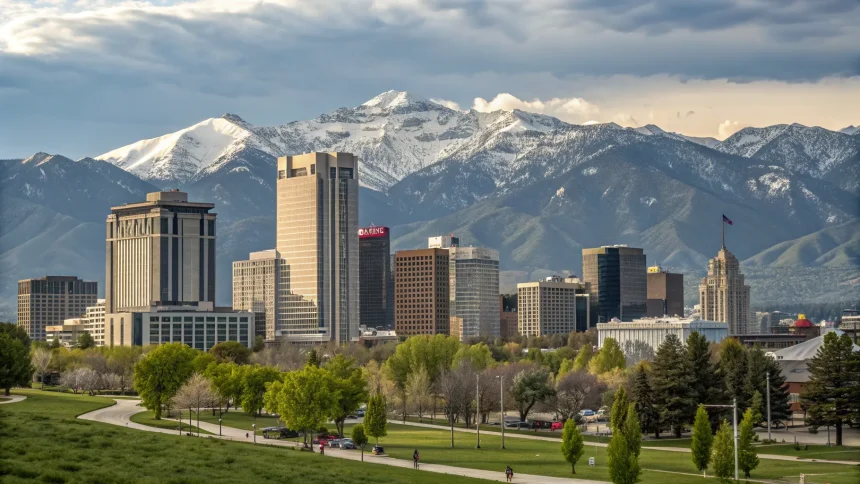
Salt Lake City’s appeal starts with its setting. The Wasatch Range sits to the east. The Great Salt Lake spreads out to the west. Streets are wide, and views often stretch for miles. That sense of openness has long defined daily life here.
But growth brings pressure. Housing prices have climbed, and traffic has ticked up. City planners say the goal is to add homes near transit, protect open space, and keep neighborhoods walkable. The pitch is clear: grow smart, not fast.
Residents say they value the state’s signature access to the outdoors. Trailheads are minutes from downtown. Ski resorts sit within an hour’s drive. That proximity helps explain the city’s steady flow of new arrivals.
Olympics On The Horizon
Salt Lake City is positioned to host the 2034 Winter Games. Many venues built for 2002 remain in use, which helps control costs and keep projects on schedule. Hospitality companies are planning for a surge in visitors, while small businesses hope for long-term gains.
Officials argue the event can be handled without losing the city’s calm. Transit expansions, venue upgrades, and security plans are in motion. The aim is to move crowds efficiently and avoid gridlock. The new airport terminal, opened in phases since 2020, is a key piece.
Growth Pains And Trade-Offs
Air quality remains a worry, especially during winter inversions and summer wildfire season. Health groups urge more electric buses, cleaner industry, and fewer short car trips. The city has expanded bike lanes and added charging stations, but advocates want faster action.
The Great Salt Lake’s low water levels have raised alarms. Ecologists warn about dust, wildlife habitat, and long-term health effects. Lawmakers have funded water conservation efforts, while researchers push for stronger limits on use. Many see success here as central to the region’s future.
Housing is the other pressure point. Rents and home prices rose sharply in recent years. Builders point to material costs and zoning hurdles. Neighborhood groups push to keep the city’s scale and character. Both sides agree the market needs more supply near jobs and transit.
Keeping The City’s Character
City leaders often talk about livability. That means protecting parks, linking trails, and adding trees along busy corridors. It also means keeping public spaces clean and safe. Small steps, they say, add up to an easy pace of life.
- More infill housing near TRAX and FrontRunner stations
- Expanded bus service and frequent routes
- Preservation of open space along the foothills
- Water conservation incentives for homes and businesses
Tourism groups stress that local quality of life fuels visitor appeal. If daily life stays pleasant, they argue, trips will follow. That helps shops, restaurants, and outfitters in every season.
What Comes Next
Salt Lake City sits at a crossroads shared by many western metros. It wants jobs and investment without losing calm streets and clear views. The Olympics will test that balance. So will the next housing cycle and the next drought.
For now, the city leans on its strengths: access to nature, a tidy grid, and civic patience. Residents still describe it in simple terms. Scenic. Serene. The work ahead is to keep it that way while welcoming the next wave of arrivals.
Watch for concrete steps on water policy, air quality, and transit funding in the coming year. Those choices will signal whether the city can grow while staying true to itself.