A Dallas couple is missing in Nepal after flash flooding struck during a birthday vacation on Wednesday. Deepak and Madhu Ahuja have not contacted relatives since the disaster, leaving their condition and location unknown.
The couple had traveled to Nepal to celebrate Deepak Ahuja’s birthday. Few details have been released about their route, lodging, or last known location.
The limited information makes it difficult to determine whether the Ahujas were caught directly in the flood. Communications, transportation, and power can also be disrupted after severe weather, delaying contact with people in affected areas.
Search Centers on Last Known Movements
Establishing the couple’s recent movements will be central to efforts to find them. Travel records, hotel information, local transportation bookings, and messages sent before the flooding may help narrow the search area.
Several key facts remain unconfirmed:
- The location where the Ahujas were last seen.
- Whether they were traveling with a guide or tour group.
- Whether their planned route crossed a flooded area.
- Whether local authorities have found either traveler’s belongings.
A lack of communication does not establish what happened. Floods may damage mobile networks or cut off roads, leaving travelers unable to reach relatives even when they have found shelter.
At the same time, flash floods can develop quickly and carry strong currents, mud, rocks, and debris. That creates an urgent need to identify where missing people were before conditions changed.
Mountain Terrain Can Complicate Rescue Work
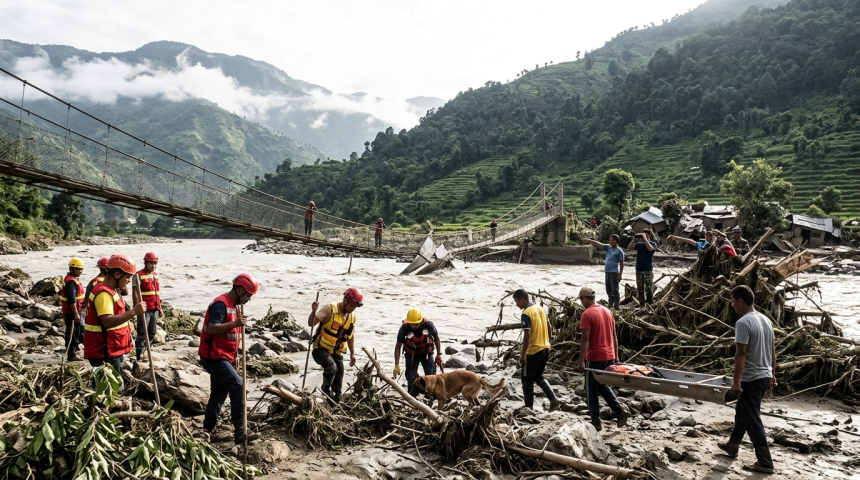
Nepal’s steep terrain can make flood emergencies especially difficult. Heavy rain may swell rivers, trigger landslides, and block access to communities or tourist routes.
Those conditions can slow both search teams and the flow of verified information. Reports may pass through local police, emergency agencies, hotels, guides, and diplomatic officials before reaching families abroad.
Weather also affects rescue decisions. Teams must weigh the urgency of a missing-person search against risks from unstable slopes, damaged bridges, and renewed flooding.
Families Face an Information Gap
For relatives, the first period after a disaster often brings conflicting signals. A silent phone may mean its battery failed, a network went down, or its owner cannot safely travel.
Verified updates are therefore more useful than unconfirmed social media reports. Images and claims shared online may come from another location or an earlier event, which can confuse search efforts.
Information such as passport details, recent photographs, medical needs, and the couple’s itinerary can assist authorities. Public descriptions should remain limited to details that support the search and protect the family’s privacy.
What Comes Next
The immediate priority is to confirm the Ahujas’ last known location and determine whether they reached shelter after Wednesday’s flooding. Restored communications or access to isolated areas could provide critical answers.
The case also shows how quickly an overseas vacation can become an emergency. Travelers in regions exposed to sudden flooding benefit from sharing detailed plans and monitoring local weather warnings.
For now, the central facts remain stark: Deepak and Madhu Ahuja traveled from Dallas to Nepal for a birthday trip, flash floods struck, and neither has been heard from since. The next reliable update will likely depend on local access, communications, and a clearer account of their route.