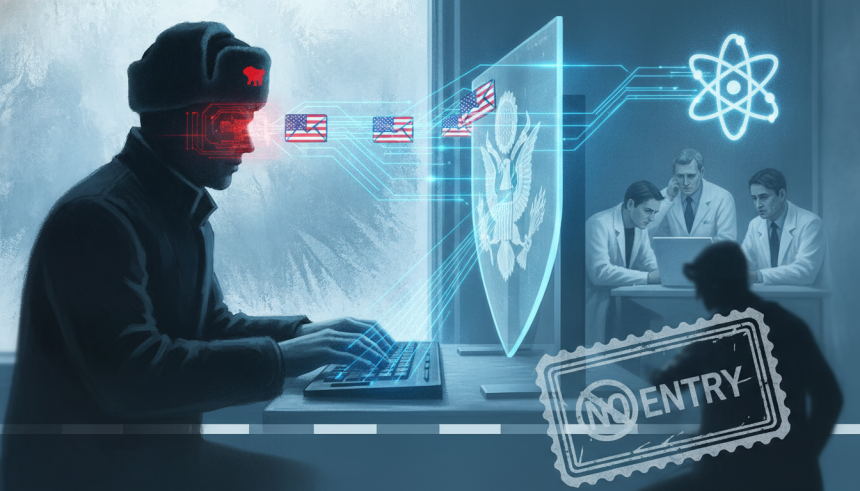
Russian hackers are attempting to break into the email accounts of United States nuclear scientists, raising fresh concerns about research security and espionage. At the same time, the State Department is moving to keep known scammers out of the country. The developments point to a tougher climate for digital crime and foreign intelligence efforts, with officials sharpening their stance on both fronts.
Plus: Russian hackers are trying to steal US nuclear scientists’ emails, the State Department bans known scammers from entering the United States, and more.
The hacking attempts center on email compromise, a common tactic used to steal research, contacts, and sensitive project details. The policy step to bar scammers targets travel access for repeat fraud offenders. Together, the two threads show a rising focus on human targets, not just networks or devices.
Why Nuclear Scientists Are in the Crosshairs
Nuclear scientists often work on sensitive projects with government labs, universities, and private contractors. Email is a prime entry point because it holds drafts, data, and collaboration links. It also connects to calendars and cloud storage. This makes it a valuable window into ongoing work and who is doing it.
Security researchers have long warned that state-backed groups focus on people first. Phishing lures, fake login pages, and spoofed conference invites are common. A single stolen password can open the door to months of quiet monitoring, file theft, and further account takeovers.
Past incidents show how research areas of high strategic value draw sustained attention. Energy, aerospace, and health science have all seen focused campaigns. Nuclear research sits high on that list because it ties to national security, export controls, and major public investment.
Policy Response: Keeping Known Scammers Out
The State Department’s move to bar known scammers signals a tighter line on transnational fraud. Under existing immigration law, people involved in serious fraud can be found inadmissible to the United States. The update puts a spotlight on repeat scam operators who use travel to set up meetings, open accounts, or move funds.
Consumer fraud has surged in recent years, fueled by social media, messaging apps, and crypto platforms. Federal data show losses in the billions of dollars annually. Blocking travel for identified scammers is meant to disrupt networks that use cross-border trips to recruit, launder money, or access victims.
Civil libertarians often ask how such lists are built and reviewed. They press for clear standards, notice, and appeal paths. Officials argue that fast action is needed to protect victims and stop organized rings that adapt quickly.
What Experts Advise for Research Security
Colleges, labs, and contractors are urged to treat email like a sensitive system. Strong authentication, short session times, and phishing-resistant sign-in tools can cut risk. Regular testing and training help staff spot unusual requests, fake meeting links, and sudden file-share prompts.
- Use hardware security keys or passkeys for sign-in.
- Segment access by project and role, with quick removal when staff change.
- Log and review unusual access from new countries or devices.
- Keep offline backups of key data and version history for recovery.
Vendors now offer anomaly detection that flags suspicious forwarding rules and auto-replies, common signs of a hijacked inbox. Response plans should include rapid password resets, token revocation, and notice to affected collaborators.
Implications for Research and Policy
If attackers gain access to scientists’ email, the impact can be wide. Stolen drafts can shape competing research, derail grant proposals, or seed misinformation about safety. Target lists and schedules can also expose who to pressure next. For institutions tied to federal work, a breach can trigger reporting duties and contract risk.
On the policy side, tighter visa scrutiny for scammers may reduce some cross-border fraud, but it will not stop online schemes that never require travel. Coordinated action with banks, social platforms, and foreign partners will remain key. Clear guardrails for watchlisting can help balance fairness with speed.
What to Watch Next
Security teams will look for signs that phishing tactics are shifting, such as more convincing conference invitations or abuse of AI-written lures. Institutions may expand use of phishing-resistant authentication and stronger device checks. On the enforcement side, observers will watch how the State Department applies the ban in practice and how appeals are handled.
The latest developments are a reminder that people are the first line of both attack and defense. Protecting inboxes and setting clear rules for entry are part of the same effort: reducing the space in which cybercrime and espionage can operate.
Bottom line: research organizations should harden email now, and policymakers should pair entry bans with sustained fraud disruption. Expect more scrutiny on high-value scientists and more pressure on organized scam networks in the months ahead.