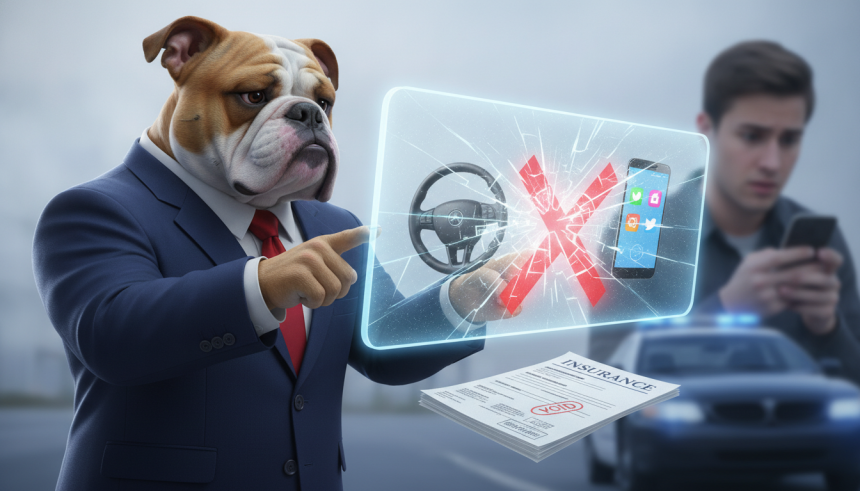
A national finance watchdog has warned that bogus brokers are selling fake car insurance on social media, urging drivers to check their cover before they get behind the wheel. The alert comes as online groups and messaging apps make it easy for scammers to target young drivers and people hunting for cheap deals. The warning matters now because uninsured driving can lead to fines, points, and cars being seized.
The scheme is often called ghost broking. It involves fraudsters posing as licensed brokers, offering policies that look real but are forged, invalid, or illegally altered. Victims often discover the truth only after a crash or a roadside check. By then, the money is gone and the driver is on the hook for costs.
The finance watchdog warns bogus brokers are selling fake car insurance through social media.
How The Scams Work
Scammers set up slick profiles and use logos and photos that mimic real insurers. They advertise prices that seem far lower than official quotes. They push for quick bank transfers, then send digital documents that look professional but will not stand up to checks by insurers or police.
Some scammers buy a genuine policy with false details to slash the premium, then sell it on. Others fabricate the entire policy. In both cases, the victim is effectively uninsured.
- Low prices that look too good to be true.
- Pressure to pay fast, often by bank transfer.
- Policies delivered only by direct message or PDF, with no official portal access.
- Refusal to provide a firm reference number or clear paperwork.
Why Social Media Fuels The Problem
Social platforms allow sellers to appear friendly and local. Fraudsters use short videos, testimonials, and paid ads to build trust. Private groups make it harder for victims to warn others. The reach is wide and the cost is low, which keeps scams active even after accounts are removed.
The format also appeals to new drivers who face high premiums. A quick direct message that undercuts a price comparison website can look like a lifesaver. That is the hook.
Risks For Drivers
Unwitting drivers face legal penalties if stopped. If there is a crash, their car can be seized and they may have to pay for damage and injuries out of pocket. Future premiums often rise once a driver has been flagged in a fraud case, even as a victim.
There is also the cost of starting again with a real policy. People who paid a large upfront fee lose that money, and the scammer disappears.
What To Check Before You Buy
Drivers can protect themselves with simple checks that take minutes. These steps reduce risk and help confirm if a broker is genuine.
- Verify the firm on the official register and match the contact details on that register.
- Pay by card or another protected method, not by instant bank transfer.
- Ask for a policy number and then confirm it directly with the insurer’s public customer line.
- Be wary of sellers who only operate by private message or refuse to provide a physical address.
- Check for spelling errors, inconsistent branding, and mismatched dates on documents.
Industry And Platform Response
Insurers say they are improving document checks and sharing fraud intelligence. Some platforms remove flagged accounts and ads, but removal often happens after victims have paid. Consumer groups argue that faster takedowns and stronger ad screening would reduce harm.
Educators and driving schools have started warning learners about fake policies. A short briefing during lessons can stop a costly mistake. Clear advice at the point of test booking could help too.
What It Means For The Market
Trust is at stake. If buyers lose faith in brokers, they may avoid good deals as well as bad ones. That hurts honest firms and pushes more people to buy direct, even when a broker could find a better fit.
The warning also signals tougher oversight ahead. More checks on brokers and stricter rules on online ads are likely. Insurers may add real-time policy verification tools so drivers can confirm cover on their phones.
The watchdog’s message is simple, and it comes at a timely moment. Cheap cover offered through a chat window can cost far more in the end. Drivers should slow down, verify the seller, and confirm the policy with the insurer before paying. Expect more joint efforts between regulators, platforms, and insurers in the months ahead, and watch for new tools that let drivers check a policy’s status in seconds.