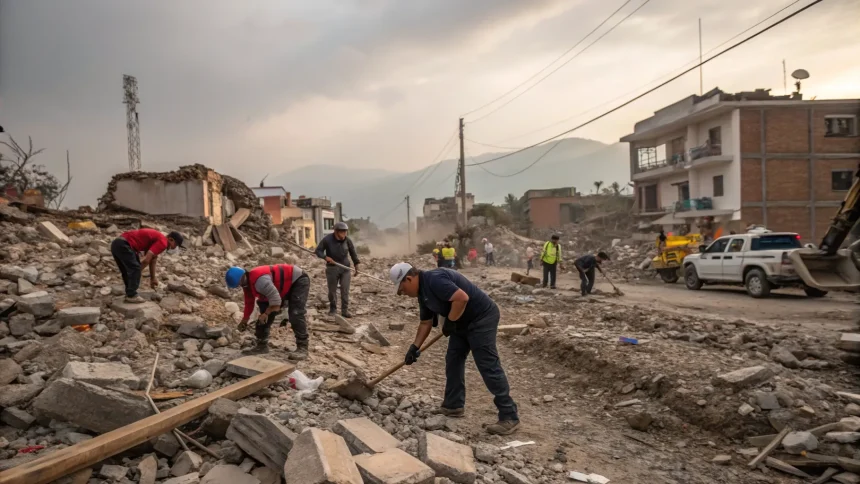
Rescuers and neighbors clawed through rubble in northern Venezuela after two powerful earthquakes struck, killing at least 188 people and trapping more than 200. The twin shocks hit northern regions, triggering building collapses and frantic searches late into the night, according to officials. Emergency teams rushed to the hardest-hit areas as authorities warned that the death toll could rise.
“Venezuelans searched for survivors beneath collapsed buildings and rescue teams raced to northern areas rocked by a pair of powerful earthquakes that officials say killed at least 188 people and trapped more than 200.”
Scenes From the Rescue Effort
Blocks of concrete and twisted rebar turned familiar streets into obstacle courses. Volunteer crews formed bucket lines to move debris piece by piece. In the first hours, many survivors were pulled out by neighbors using hand tools and car jacks. Firefighters and civil defense units arrived with dogs and listening devices, urging silence as they called out to those trapped below.
Hospitals reported a surge of crush injuries, fractures, and dehydration cases. Doctors set up triage stations in parking lots to manage crowds and keep critical patients moving. Power outages complicated surgeries and imaging. Generators kept emergency rooms lit, though fuel supplies were tight.
What We Know So Far
Officials said the two earthquakes struck northern states in quick succession. Many buildings collapsed, especially older structures and informal housing. Search operations focused on residential blocks, markets, and schools. Aftershocks rattled nerves, sending people back into open spaces.
- Confirmed dead: at least 188, per officials.
- Estimated trapped: 200+, with numbers changing as rescues continue.
- Priority needs: heavy machinery, medical supplies, clean water, and shelters.
Authorities closed damaged roads and bridges while engineers inspected key routes. Some ports and airports limited operations to humanitarian flights and aid shipments. Phone service was spotty in the worst-hit zones.
Why This Area Is Vulnerable
Northern Venezuela sits near the boundary of major tectonic plates. That fault system has produced damaging earthquakes before. Many coastal cities grew quickly, and some buildings were not designed for strong shaking. Experts say reinforced frames and strict codes save lives, but upgrades take time and money.
Past quakes in the region exposed weak links: heavy roofs, soft ground, and crowded neighborhoods. Early reports suggested similar patterns this time. Mid-rise concrete buildings with open ground floors appeared to suffer severe damage, while newer structures with stronger frames fared better.
Aid, Logistics, and Bottlenecks
Emergency teams faced classic quake challenges: blocked roads, fuel shortages, and limited heavy equipment. Crews prioritized schools, clinics, and apartment blocks where survival chances were higher. International groups signaled readiness to help once requests were cleared. Local charities organized food, water, and blankets for families sleeping outdoors.
The first 72 hours are the most critical for rescues. Heat, dehydration, and dust can turn survivable injuries lethal. Medics focused on crush syndrome and infection risks. Water lines broke in several districts, pushing demand for tankers and purification tablets.
Multiple Viewpoints From the Ground
Officials urged calm, asking people to avoid damaged buildings. Engineers called for rapid inspections before aftershocks cause further collapses. Aid workers highlighted the need for simple items: tarps, chargers, diapers, and basic medicines. Residents asked for clearer information on shelters and missing persons lists.
Seismologists warned that aftershocks may continue for days. That threat slows recovery, as crews pause operations when the ground trembles. Still, quick coordination between local responders and national agencies can shorten rescue times and reduce chaos.
What Comes Next
Once searches end, the focus will shift to housing and recovery. Temporary shelters must be safe, well-lit, and supplied with clean water. Schools may serve as community hubs, offering meals and charging stations. Small cash grants and building assessments can help families restart.
Reconstruction decisions will shape safety for years. Clear building standards, updated maps of high-risk zones, and public drills can lower risk. Stronger ties between city planners, utilities, and emergency services can keep hospitals powered and roads open after shocks.
The coming days will reveal the full scale of the damage. For now, every minute counts. The race is to find survivors, reunite families, and stabilize strained hospitals. The numbers are grim, but swift, organized action can save lives and set the path to recovery.