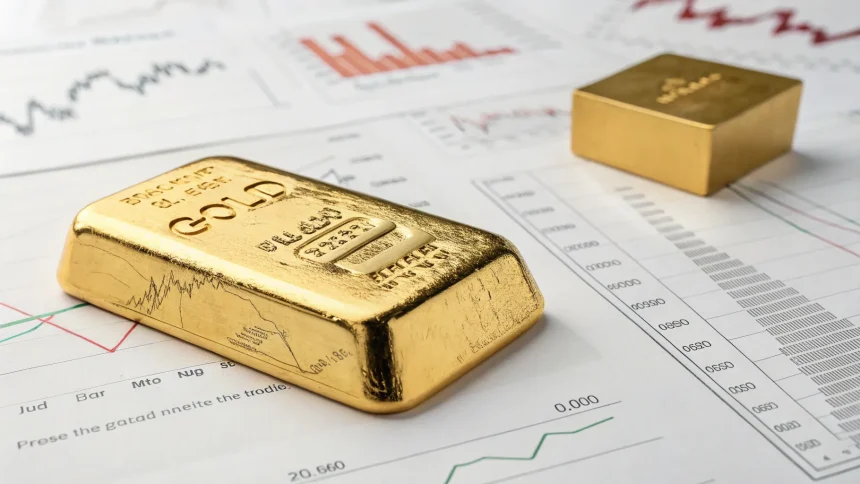
As investors scan the summer inflation readings, gold is again in the spotlight as a possible shield against rising prices. On June 5, 2026, traders weighed the metal’s moves against sticky costs, shifting interest-rate bets, and a firm U.S. dollar. The question is simple and timely: is gold still doing its job as a hedge, and what do current trends say about the months ahead?
“Trends in gold prices could indicate whether the asset can protect against inflation.”
Why Gold Matters When Prices Rise
Gold has long been treated as insurance against inflation shocks. In the 1970s, the metal surged alongside high inflation and oil price spikes. Since then, its track record has been mixed. It often shines when inflation is high and real interest rates are low. It can lag when rates climb and the dollar strengthens.
Recent history shows the push and pull. In 2022 and 2023, global central banks bought large amounts of gold, according to the World Gold Council. Those purchases helped support prices during a period of volatile inflation and banking stress. In 2024, gold set fresh highs as investors priced in slower rate hikes and looked for safety.
But gold is not a one-way trade. Rising real yields can pressure the metal because it pays no income. When cash yields look attractive, some investors rotate out of bullion and into money markets or bonds.
June Checkup: Reading the Signals
On June 5, traders had several cues. Inflation had cooled from peak levels but remained above comfort zones in many economies. Markets were still debating the timing and size of any rate cuts. The dollar’s direction, a key driver for commodities priced in dollars, remained central to short-term moves.
Analysts often focus on three gauges when judging gold’s hedge value right now:
- Real interest rates: Falling real yields often support higher gold prices.
- Currency trends: A weaker dollar can lift gold; a stronger dollar can weigh on it.
- Investment flows: ETF additions or redemptions can amplify moves.
Physical demand still matters. Jewelry demand tends to rise when prices stabilize, while central bank buying can create a floor. Conversely, heavy selling by funds during rate scares can trigger quick drops.
What the Market Debate Looks Like
Supporters of gold argue that even with inflation easing from its peaks, price risks remain. Supply shocks and wage growth could make inflation stickier than central banks prefer. They say gold’s role is to diversify and insure, not to outperform stocks every quarter.
Skeptics counter that if real rates rise or stay high, the metal can stall. They point to periods in the 2010s when inflation was low and equities outperformed. In those years, the opportunity cost of holding gold looked high.
Both camps agree on one point: regime matters. Gold tends to perform best during financial stress, policy shifts, or surprise inflation. It can lag during calm markets with firm growth and positive real yields.
How to Interpret “Hedge” in Practice
Calling gold an inflation hedge can be misleading if investors expect tight month-to-month tracking. History shows a looser tie. The hedge often emerges over longer windows or during shock periods. That is why portfolio size and time horizon matter.
Case studies since 2000 show mixed outcomes. During the global financial crisis and the early 2020 pandemic shock, gold helped cushion drawdowns. During rate-hike cycles with firm real yields, it sometimes moved sideways, even as inflation lingered.
What to Watch Next
Three developments may set the tone for the rest of the year:
- Inflation surprises: Hotter or cooler prints can shift rate paths and gold’s appeal.
- Central bank demand: Continued buying can steady prices during risk-off stretches.
- Dollar swings: A softer dollar could provide tailwinds; a firm dollar may cap rallies.
Short-term traders will eye ETF flows and options positioning for hints of momentum. Long-term holders will watch real-rate trends and fiscal deficits, which can influence inflation expectations.
“Here’s a look at how the precious metal is doing on June 5, 2026.”
Gold’s message this week is measured, not flashy. The metal still offers a hedge, but not a guarantee. Its strength depends on real rates, the dollar, and policy signals. For investors, the takeaway is practical: size positions for insurance, not heroics, and watch the data. If inflation surprises on the high side or growth wobbles, gold’s case strengthens. If real yields firm and the dollar stays strong, patience may be required.