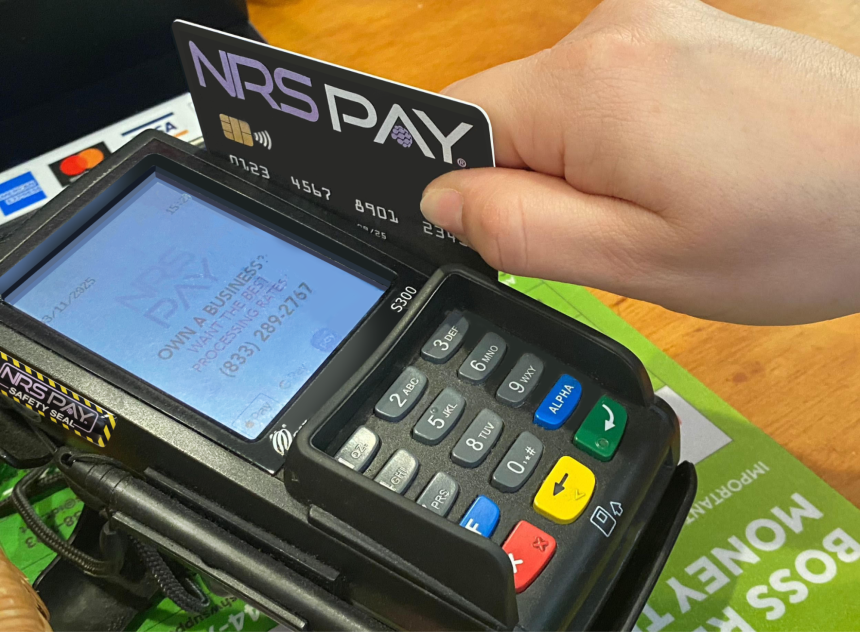
Independent retailers rarely think of themselves as cybersecurity operators. In fact, most would probably laugh at the idea. Instead, they are stocking shelves, handling inventory deliveries, ordering products, training employees, and trying to keep margins from disappearing under rising operating costs. Increasingly, the businesses that make up neighborhood commercial corridors are managing pieces of financial infrastructure as well.
The Hidden Complexity Behind Everyday Payments
That matters because payment systems have become more complicated than many consumers realize. A customer taps a card, inserts a chip, or swipes a payment device, and the transaction appears almost instantaneous. Behind that interaction sits an ecosystem of encrypted communications, payment processors, hardware providers, authentication systems, fraud monitoring tools, and banking networks that are all operating simultaneously.
Large chains often manage those systems through internal security departments and dedicated fraud teams. Small businesses generally do not. The difference creates an important question across the payments industry. As digital commerce infrastructure expands, who carries responsibility for protecting the businesses operating closest to customers?
When Physical and Digital Security Intersect
The question extends beyond large-scale breaches or headline-grabbing cyberattacks. Physical payment fraud, including skimming and device tampering, continues to create challenges for retailers that process thousands of transactions while operating with relatively limited resources.
Unlike many forms of cybersecurity risk that occur entirely behind screens, skimming creates an unusual overlap between digital and physical security. A compromised terminal can become a direct access point into a larger payment network.
That reality is changing the role of technology providers serving independent businesses.
The Evolving Role of POS Providers
Historically, point-of-sale companies functioned primarily as vendors. They supplied hardware, installed systems, and maintained software. Those providers are becoming operational partners responsible for helping retailers identify and manage security threats.
Elie Y. Katz, President and CEO of National Retail Solutions (NRS), believes the relationship has evolved out of necessity.
“POS providers are on the front lines of protecting small-business infrastructure because we are often the technology partner closest to the retailer,” Katz said. “Independent store owners are not large corporations with internal fraud departments or cybersecurity teams. They need practical, affordable tools that help them protect their customers every day. With the Skimmer Protection Program, NRS is helping retailers identify threats faster, verify that payment devices are secure, and create a visible layer of confidence at checkout.”
For NRS, which provides point-of-sale systems and payment services to independent retailers across the U.S. and Canada, that shift has already altered what the company considers part of its job. The company’s Skimmer Protection Program folds inspection and verification measures directly into its broader retailer support model, reflecting a larger movement across fintech where payment providers are increasingly expected to function as security partners rather than simply hardware vendors. Its new Skimmer Protection Initiative is a proactive effort to safeguard store operators and consumers against credit card skimming and fraud. As part of this rollout, NRS technicians are now installing the proprietary NRS Safety Seal on payment terminals at participating locations, providing visible assurance that every system has been inspected, verified, and secured by NRS.
Why Small Businesses Have Become Attractive Targets
The larger issue may be structural.
For years, cybersecurity discussions centered around enterprise organizations because those companies represented obvious targets. Large retailers, financial institutions, and multinational corporations had extensive networks and massive databases that created attractive attack surfaces.
But attacks do not necessarily follow prestige. They often follow accessibility.
A small independent retailer may process hundreds or thousands of card transactions every week while lacking dedicated security oversight. A store owner might simultaneously act as manager, purchaser, bookkeeper, and cashier. Payment terminals are often monitored between other responsibilities rather than by specialized personnel.
That imbalance creates conditions where fraud can become easier to execute and harder to identify quickly. The challenge becomes particularly difficult because independent retailers oftentimes receive the same high-level guidance provided to large organizations while operating under entirely different realities.
Bridging the Gap Between Guidance and Reality
Advice surrounding payment security frequently emphasizes routine inspections, monitoring procedures, and device verification protocols. The recommendations themselves are not unreasonable. The difficulty lies in execution.
Katz argues that independent businesses need a support model designed around how they actually operate rather than one built for larger enterprises.
“Regulators and industry groups should focus more on education, faster reporting channels, and support programs that are designed specifically for independent retailers,” Katz said. “These businesses need clear guidance, not just mandates. They need access to technology, training, and partnerships that make fraud prevention realistic for stores operating with limited time and resources.”
A Broader Infrastructure Question
The conversation ultimately extends beyond skimming itself.
As more business functions move into connected systems, local retailers increasingly sit inside networks that have become part storefront and part technology platform. That shift may gradually redefine expectations around who provides security and where responsibility begins.
Because when neighborhood stores become pieces of digital infrastructure, protecting them stops being solely a small-business problem. It becomes a broader infrastructure question.
Photo Credit: National Retail Solutions (NRS)