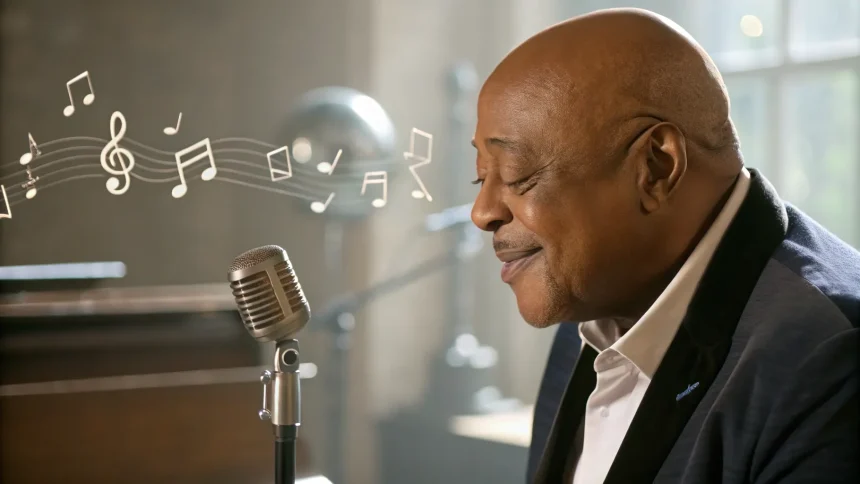
Peabo Bryson, the velvety-voiced balladeer who helped define late 20th-century love songs and sang two of Disney’s most enduring hits, has died at age 75. The two-time Grammy winner’s passing closes a five-decade career that crossed R&B, pop, and film music, and introduced his voice to generations of listeners worldwide.
“Peabo Bryson, a two-time Grammy-winning singer and songwriter known for Disney movie hits ‘Beauty and the Beast’ and ‘A Whole New World,’ has died at age 75.”
Bryson’s songs reached across radio formats and countries, bringing him chart success and cultural reach few singers of his era matched. His duets became event records and helped usher soundtrack ballads into mainstream pop during the early 1990s. Fans and musicians are now reflecting on his catalog and the warmth he brought to every performance.
From Greenville Roots to Global Stages
Born in Greenville, South Carolina, in 1951, Bryson began performing as a teenager and released his debut album in the 1970s. He rose during a period when R&B singers were pushing into pop charts with smooth production and heartfelt storytelling. His tone—rich, controlled, and always conversational—made him a frequent choice for duets and film themes.
Across the 1980s, Bryson built a steady run of adult contemporary and R&B hits. He found a lasting place in wedding playlists and quiet-storm radio with songs that favored tenderness over flash. By the early 1990s, his voice was already familiar when Hollywood came calling.
Disney Songs That Spanned Generations
Bryson’s global breakthrough arrived with two soundtrack singles that defined the Disney Renaissance. In 1991, he teamed with Celine Dion on the pop version of “Beauty and the Beast,” which helped carry the film’s romance onto radio and into award shows. The next year, he recorded “A Whole New World” with Regina Belle for Aladdin, a song that became a karaoke staple and wedding standard.
Those tracks won Grammys and turned Bryson into a household name far beyond R&B. “A Whole New World” earned Song of the Year at the Grammys, a rare crossover feat for a movie ballad. Together, the singles cemented his image as the voice of sweeping, hopeful love songs that parents and children could share.
Hits, Duets, and Enduring Appeal
Even before the Disney success, Bryson was a chart regular. He recorded beloved duets with Roberta Flack, including “Tonight, I Celebrate My Love,” and scored solo hits like “If Ever You’re in My Arms Again.” In the 1990s, he added “Can You Stop the Rain,” which topped R&B charts and showed his command of adult contemporary storytelling.
- Two Grammy Awards linked to “Beauty and the Beast” and “A Whole New World.”
- Signature duets with Celine Dion, Regina Belle, and Roberta Flack.
- Cross-format success across R&B, pop, and adult contemporary radio.
Industry peers often pointed to Bryson’s phrasing and restraint. He could lift a chorus without overpowering it, a skill that made him trusted by producers and sought after for high-profile partnerships.
Health, Resilience, and a Late-Career Return
Bryson endured a health scare in 2019 and later returned to performing, a comeback that reminded audiences of his staying power. His shows leaned on the hits but also highlighted deep cuts that many fans discovered only on albums. That late-career run affirmed an audience that had never left.
How He Changed Pop Ballads
Bryson’s impact sits at the intersection of R&B sincerity and mainstream polish. His success made space for romantic ballads on pop radio at a time when trends were shifting. The Disney songs, in particular, showed studios and labels that theatrical melodies could thrive on the charts.
For younger singers, his catalog serves as a guide on breath control, duet balance, and emotional clarity. For listeners, it offers a soundtrack to moments that matter—weddings, anniversaries, and simple evenings at home.
What to Watch Next
In the coming days, tributes are likely to arrive from collaborators and fans who grew up with his music. Radio programmers may refresh rotations, and streaming services could spotlight his albums and duets. Music historians will revisit the early 1990s, when soundtrack ballads recast chart rules and Bryson’s voice led the charge.
Peabo Bryson leaves a body of work that blends technical craft with plainspoken emotion. His songs carried love stories with patience and grace. The music now moves forward on its own, still finding new listeners, still promising that the right voice can make a chorus feel like home.