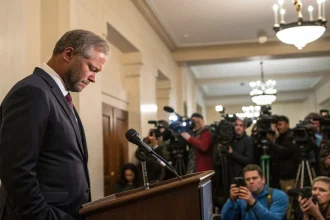
Ohio’s top fiscal watchdog is warning that Medicaid fraud is draining public funds and eroding trust, as schemes grow more complex and oversight strains to keep up. In recent remarks, State Auditor Keith Faber said fraudsters are taking advantage of gaps in a massive program meant to help the poor and the sick. His message was blunt: the bigger the program, the bigger the target.
Medicaid, a joint federal and state program, pays for care for low-income families, children, people with disabilities, and many seniors in long-term care. Ohio’s program spans thousands of providers and millions of claims each year. With that scale comes risk. Faber argues that fraud, waste, and abuse ride along with weak controls and hurried casework.
How Schemes Take Root
Faber described patterns that exploit the size and speed of public benefits. Fraud ranges from billing for services never provided to kickbacks for patient referrals. Sometimes it looks like small-dollar theft repeated until it turns into real money. Other times, it involves organized actors setting up shell clinics to siphon payments.
He said the core problem is simple. When a program has many rules, many vendors, and heavy payment volume, bad actors look for the cracks. They test systems, learn what triggers audits, and stay just under those lines.
Common red flags include:
- Phantom billing: charging for visits or tests that did not occur.
- Upcoding: claiming a costlier service than was delivered.
- Identity misuse: using patient IDs without consent.
- Kickbacks: illegal payments for referrals or prescriptions.
Oversight Gaps And Fixes On The Table
The auditor said oversight often lags because agencies must process payments fast to keep care moving. That leaves fewer checks before dollars go out the door. Staff turnover and aging systems make it harder. Data matching across agencies can be slow or incomplete.
Faber pushed for stronger pre-payment screening, smarter analytics, and faster referrals to investigators. He also called for clearer consequences for repeat offenders. More training for caseworkers and better data sharing with federal partners could help catch errors early.
He framed it as a practical trade-off. Pay fast, and you risk paying wrong. Pay slow, and patients suffer delays. The goal is to pay right the first time.
Providers And Patients Caught In The Middle
Health providers warn that tougher rules can snare honest clinics in red tape. Small practices worry about audits that drain time and money. Many want clearer billing guidance and quicker resolutions when they are flagged in error.
Patient advocates caution against sweeping crackdowns that block care. If ID checks and paperwork grow too heavy, eligible families may give up. The auditor acknowledged this tension. He said the fix is not more hoops, but smarter ones.
Fraud hurts patients too. Stolen identities can lead to denied claims and surprise bills. Fake providers can put people at risk with substandard care. Every dollar lost to theft is a dollar not spent on treatment.
What Stronger Controls Could Look Like
Experts point to steps used in other states and in federal programs. Pre-enrollment screening can weed out sham providers. Real-time analytics can spot odd billing patterns. Cross-checks with death records, prison rosters, and licensing boards can stop obvious errors.
Targeted audits focused on high-risk services can replace blanket reviews. Whistleblower hotlines and rewards can surface insider tips. Public reporting on enforcement actions can deter repeat behavior.
Faber’s office has championed a tighter focus on repeat patterns rather than one-off mistakes. He favors quick action on suspicious claims and faster recovery when fraud is confirmed.
The Stakes For Ohio Taxpayers
Medicaid is one of Ohio’s largest expenses. Even a small fraud rate equals large losses. Taxpayers fund the program, but they also depend on it when hard times hit. That gives the debate urgency and heat.
Faber framed the issue as trust. Residents need to know that aid reaches the right people and that cheats face consequences. He argued that every saved dollar should return to patient care.
The road ahead will test Ohio’s ability to steer between speed and scrutiny. Expect tighter screening of providers, more data checks before payments, and faster case referrals. Watch for new audit priorities in areas where billing spikes or clinical benefit looks thin. The takeaway is clear: smarter controls can cut fraud without choking access. That balance, not louder rhetoric, will decide how much help reaches those who need it most.