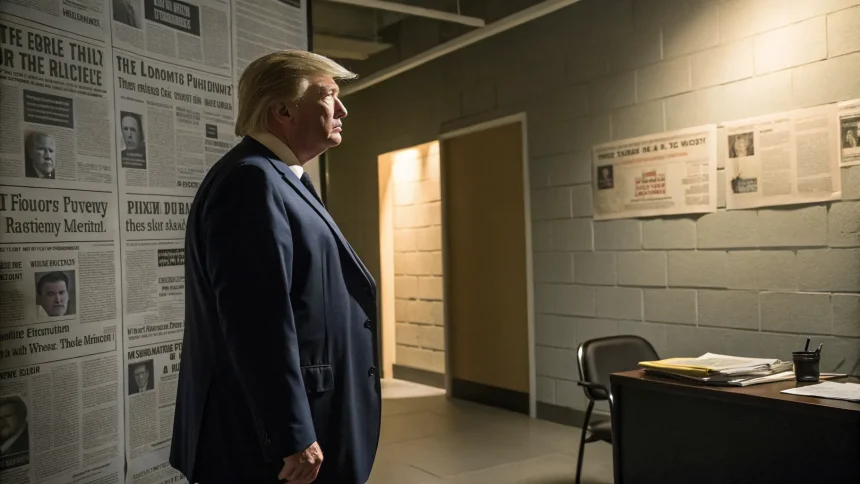
As legal and political pressures intensify, Donald Trump faces a threat of his own making, shaped by choices that now define his public, legal, and campaign battles. The former president, operating as a front-runner within his party and a polarizing figure nationwide, confronts a mix of court rulings, voter skepticism, and fundraising strains that have converged into a high-stakes test of endurance.
The core story is simple but urgent: a cascade of legal cases and public statements have linked together, affecting campaign strategy, donor confidence, and support among swing voters. The stakes are national, the timeline is immediate, and the outcomes could inform both the courts and the ballot box.
Background: From Courtrooms to Campaign Stops
Trump’s legal exposure widened in 2023 and 2024, when he faced multiple indictments across state and federal jurisdictions. In May 2024, a New York jury found him guilty on 34 counts related to falsifying business records. Civil cases added heavy financial strain. New York’s civil fraud judgment ordered more than $350 million in penalties, plus interest. Two civil defamation verdicts in the E. Jean Carroll cases totaled tens of millions more.
These outcomes turned legal risk into political reality. Court dates intersected with primary and general-election calendars. Travel to hearings and trial strategies competed with rallies and fundraising. The cycle fed on itself: statements made for political gain sometimes complicated legal exposure, while legal setbacks fueled fresh political messaging.
The Self-Made Nature of the Challenge
“President Donald Trump is increasingly threatened by a self-made problem.”
The phrase reflects a pattern. Many flashpoints stem from Trump’s own decisions: his public rhetoric, social media posts, legal strategies, and refusal to moderate tone under court scrutiny. Judges issued gag orders in some cases to rein in attacks on witnesses and court personnel. Those orders then became new friction points, spurring more headlines and potential penalties.
Allies argue the cases are politically motivated and have rallied the base by framing him as a target of an unfair system. Critics counter that the legal problems arise from conduct long documented in filings and testimony, not from politics alone. Both sides agree on one fact: the candidate himself remains the central accelerant.
Political Fallout and Party Dynamics
Within the party, the strategy has benefits and costs. Primary voters often rewarded combative messaging and courtroom defiance with enthusiastic turnout and small-dollar donations. Yet general-election math is different. Independent and suburban voters tend to weigh character and stability more heavily. Repeated legal headlines risk cementing doubts about fitness and focus.
Republican strategists, even supportive ones, privately warn that airtime spent on legal fights squeezes out talk of everyday issues like prices, wages, and safety. Democrats, meanwhile, highlight the judgments and convictions as shorthand for risk. The result is a campaign that can be forced to play defense on a schedule the courts, not consultants, control.
Voters, Money, and the Message
The financial costs are significant. Civil penalties and mounting legal fees compete with campaign needs. While small-dollar giving can surge after major rulings, that energy is hard to sustain month after month. Big donors often want predictability and message discipline; neither pairs well with surprise hearings or contempt warnings.
- Legal bills divert funds that would otherwise support advertising and field work.
- Message discipline suffers when legal updates overtake planned themes.
- Swing voters report fatigue with drama and prefer steady leadership.
Polling through 2024 showed a divided country. The base remained loyal, while key swing blocs signaled concern. That split defines the central tension: intensity on one side, attrition on the other.
What Comes Next
More rulings and appeals loom. Case calendars can shift, but deadlines rarely disappear. Each filing, each statement, and each court appearance can shape the news cycle. A single morning at a courthouse can wipe out a week of planned messaging on jobs or the border.
Advisers suggest a narrow path forward: tighten public statements, prioritize policy over grievance, and reduce exposure to contempt or sanction risks. Opponents expect the opposite, betting that Trump’s style will not change, and that the contrast will help them lock down suburban and independent voters.
The big picture is stark. The former president’s challenges are not only about prosecutors or judges. They are about choices that stack legal jeopardy atop political goals. The campaign can change tone and tactics, or keep leaning into confrontation and accept the tradeoffs. Either way, the next phase will test whether a candidate can outrun problems that began at his own direction—and whether voters are still willing to go along for the ride.