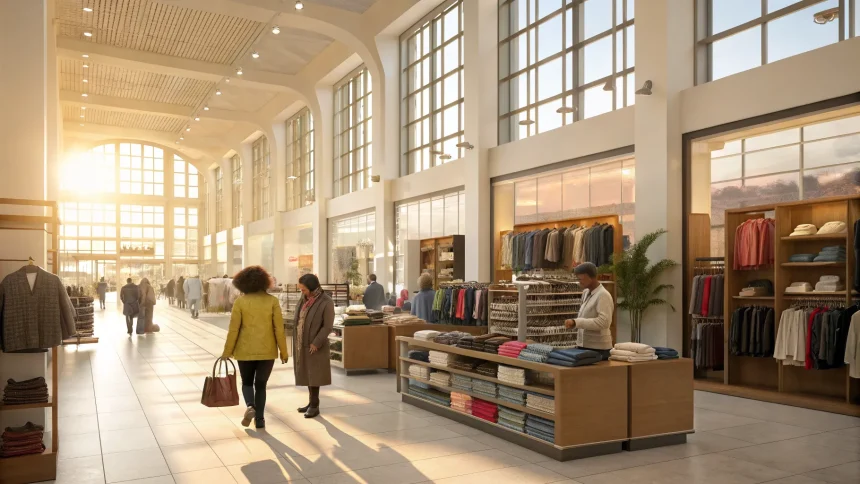
Ross Stores reported strong quarterly results, adding fresh fuel to a retail segment that thrives when shoppers want value. The company’s performance suggests off-price chains are pulling ahead as consumers juggle inflation, seek bargains, and stay picky about where they spend.
The news landed this week and comes as retailers across the country assess volatile demand. Off-price stores, which buy excess goods from brands and sell them at a discount, appear to be meeting the moment. The message was simple and pointed:
Strong quarterly results from Ross Stores reinforce that off-price retail is on fire.
Why Off-Price Keeps Winning
Off-price retail does well when shoppers need lower prices and still want name brands. That mix has been powerful during a period of sticky inflation in essentials. As higher food, rent, and fuel costs press budgets, many consumers trade down in apparel and home goods.
Ross, along with peers like TJ Maxx and Burlington, benefits from a steady stream of marked-down inventory from vendors. That supply comes from forecasting misses, canceled orders, and quick-shifting fashion cycles. Shoppers respond to fresh product and frequent surprises on shelves.
- Value remains a top priority for middle-income households.
- Vendors continue to offload excess goods, feeding the off-price pipeline.
- Frequent new arrivals give shoppers a reason to return.
Consumer Behavior Is Shifting
Customers are selective. They are willing to buy, but only for the right price and perceived quality. Off-price chains hit that sweet spot by offering brands at discounts without long waits for sales events.
Impulse buying still happens, but shoppers are more intentional. They visit for deals on staples like kids’ clothing, denim, and athletic wear. Home goods, beauty, and seasonal items see steady interest when prices feel fair.
Margins, Mix, and Merchandising
Healthy results at Ross suggest the chain is managing costs and product mix well. Lower freight rates than last year help. So do tight inventories that reduce markdown risk. When buyers secure the right brands at the right cost, margins can hold even as prices stay lower than full-line retailers.
Merchandising remains the art. Stores win when racks look organized, signage is clear, and checkout times stay short. Off-price depends on speed: quick turns, rapid resets, and nimble buying teams that can pounce on closeouts.
Competitive Pressures Are Real
Department stores continue to clear inventory, but without the foot traffic of their peak years. Big-box chains draw shoppers with convenience, yet often struggle to match off-price on name-brand fashion value. E-commerce players tempt with free returns and wide selection, but shipping costs and return rates cut into profits.
Off-price is not immune to risks. A sudden drop in vendor excess could tighten supply. Wage inflation can pressure store-level costs. And if consumers pull back further on discretionary items, traffic could slow.
The Bigger Picture: What This Signals
A solid quarter from Ross points to a durable shift: shoppers want value without giving up brand appeal. That favors chains with scale, strong vendor ties, and agile buying. It may pressure mid-tier retailers caught between premium and discount.
Investors and competitors will be watching a few signals next:
- Inventory availability from brands and importers.
- Traffic trends in stores versus online.
- Gross margin performance as markdown cycles change.
- Expansion plans in suburban and Sun Belt markets.
Ross Stores’ latest performance is a clean read on the consumer mood: careful, value-driven, and still willing to spend on the right deal. If vendor supply stays healthy and shoppers keep prioritizing price, off-price chains should keep their edge. The next checkpoints will be holiday demand, freight costs, and whether brands keep sending high-quality goods into the channel. For now, the sector’s momentum looks intact—and hard for rivals to match.