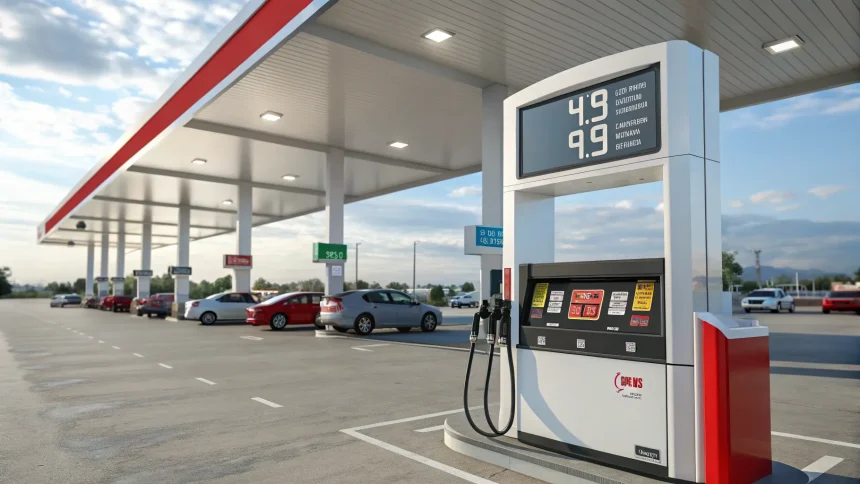
Drivers across the United States are facing the steepest fuel costs in more than three years, with wide price gaps from one state to the next. The jump is squeezing family budgets and reshaping travel plans as the busy spring and summer driving seasons begin. While the national trend is up, where a driver lives still determines how much they pay and why it keeps rising.
“Gas prices have surged to their highest level in more than three years, but what you’ll pay still depends heavily on where you live. The gap between states may be wider than you think.”
The surge follows a familiar pattern tied to seasonal fuel rules, crude oil costs, and local taxes. It also reflects a market sensitive to refinery outages and global shocks. Policy choices and supply chains finish the job, creating striking differences between regions.
Why Prices Vary by State
Three forces do most of the work: taxes, regulations, and logistics. Each state adds its own taxes and fees on top of the federal excise tax of 18.4 cents per gallon. State levies range from under 20 cents to well over 50 cents. That alone can create a large spread between low-tax and high-tax states.
States also set environmental rules for gasoline blends. California, for example, requires cleaner-burning fuel that costs more to produce. The Northeast relies on different supply routes than the Gulf Coast. Pipelines, ports, and distance to refineries add transport costs that show up on the pump.
Crude Oil, Refinery Snags, and Seasonal Blends
Gasoline starts with crude oil. When oil prices rise on production cuts or geopolitical risks, pump prices follow. Even small moves in oil can ripple through quickly.
Refinery downtime also matters. Spring maintenance, unplanned outages, or storms can choke regional supply. When one major facility goes offline, nearby states often feel the pinch first.
Then comes the switch to summer-grade gasoline. Warmer-weather blends reduce smog but are costlier to make. That transition tends to lift prices each year before Memorial Day.
Winners, Losers, and the Middle
Historically, drivers in the Gulf Coast and parts of the Midwest see lower prices. Proximity to refineries and pipelines helps keep costs down. High-tax, strict-rule states on the West Coast often top the charts. The Northeast typically lands in the middle, influenced by port deliveries and regional demand.
Station owners point out they operate on thin margins. They compete block by block and react to wholesale changes daily. Motorists see a different picture at the register, where a 10-gallon purchase now feels heavier. Policy analysts tie the gap to durable features of the market, not short-term spikes alone.
Household Impact and Travel Plans
Higher fuel costs hit low- and middle-income households hardest. Commuters with long drives have fewer ways to trim trips. Delivery services and small contractors face rising expenses that can flow into consumer prices.
Some families say they are delaying road trips or choosing closer destinations. Others are shifting errands to fewer outings. Many are watching for discounts tied to grocery chains or credit cards to soften the blow.
Practical Ways to Cut Costs
- Use station locator apps to compare nearby prices.
- Combine errands and avoid rush-hour idling.
- Keep tires properly inflated and lighten cargo.
- Drive smoothly; rapid starts burn more fuel.
- Consider warehouse clubs or loyalty programs with fuel perks.
What Could Move Prices Next
Several factors will guide the next leg. Global oil supply policy remains a wild card. Any fresh conflict, shipping disruption, or production cut can push prices higher. Hurricane season brings refinery and pipeline risks for Gulf states. On the demand side, a strong travel season can keep upward pressure in place.
Policy debates over state fuel taxes or temporary holidays could resurface if pain at the pump deepens. Longer term, vehicle efficiency gains and more electric models may ease demand growth, though those shifts take time.
The current spike has a simple headline and a complicated body. Prices are up, and where a driver lives still sets the final bill. Expect the map to stay patchy, with West Coast highs, Gulf Coast lows, and everyone else chasing the middle. For now, small habits can help households save, while the bigger forces—oil markets, refineries, and rules—decide the rest.