As inflation worries linger, investors are looking again at precious metals, with platinum entering the mix as a potential shield for rising prices. Market watchers say the move reflects a search for assets that can hold purchasing power when currencies strain. The interest spans retail savers and professional managers, from New York to London, who are weighing options to counter higher costs.
Inflation has cooled from recent peaks, yet it remains a top concern for households and businesses. Central banks have raised rates, but goods and wage pressures persist in many economies. In that setting, hard assets often get a second look. Gold usually leads the conversation. This time, platinum is getting airtime too.
Why Platinum Is Back in Focus
If you’re worried about increased inflation, adding precious metals like platinum to your portfolio can be a smart choice.
That view echoes a common playbook: when prices rise, investors seek assets that are scarce and do not rely on central bank policy. Platinum fits the scarcity test. It is mined in limited regions and used in key industries, which can support demand. It also trades at a different price level than gold, offering diversification within metals.
Unlike gold, platinum has a strong industrial role. It is used in catalytic converters, jewelry, and some emerging energy technologies. That blend can cut risk for a portfolio that is heavy in stocks and bonds. It can also add a separate set of drivers that may not move in step with gold.
The Case for Caution
Platinum is not a simple hedge. Its price can be more volatile than gold because industrial demand rises and falls with the economy. When car sales slow or manufacturers cut output, platinum can slip. Supply is also concentrated in a few countries, which can add geopolitical and power-grid risks.
Liquidity is another factor. Gold has a deeper market and more active trading. Platinum markets are smaller, which can mean wider spreads during stress. Investors who need quick exits may face higher costs.
- Industrial cycles can drive sharp swings.
- Supply is concentrated, adding risk.
- Market depth is thinner than gold.
How Investors Are Getting Exposure
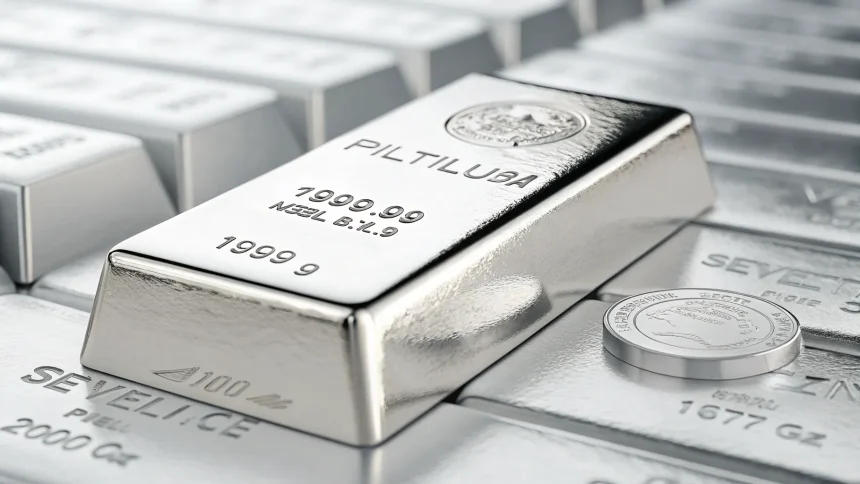
Allocations vary by strategy. Some investors buy physical bars or coins for direct ownership. Others prefer exchange-traded funds that hold metal, which are easier to trade. A third group uses mining shares or streaming companies, adding company risk but also potential dividends. Each route has trade-offs on fees, storage, taxes, and tracking error.
Advisers often stress position size. Small slices of a portfolio can change risk and return without overpowering the core holdings. Rebalancing rules help keep that slice steady when prices swing.
Signals to Watch in the Months Ahead
Two gauges matter most: inflation data and manufacturing trends. If price growth stays sticky while factories run hot, platinum could get support from both themes. If growth cools and inflation fades, the metal could lag gold, which leans more on safe-haven demand.
Policy also matters. Interest rate cuts can lift metals by weakening currencies and lowering the carry cost. Stricter emissions rules may support catalytic converter demand, while energy projects could add a new source of use over time. Any supply hiccups in major producing regions can shift prices quickly.
Balanced Views From the Market
Supporters see platinum as a practical add-on to a metals basket. They argue it spreads risk and can catch industrial upswings. Skeptics warn that it is not a pure inflation hedge and can disappoint if growth slows. Both sides agree on one point: know why it is in the portfolio, and size it with care.
Inflation fears have put precious metals back on the agenda, and platinum has earned a seat at the table. It offers scarcity, diversification, and industry links, along with real risks. For investors, the next test will be the path of prices, growth, and policy. Keep an eye on monthly inflation prints, manufacturing surveys, and central bank signals. Those clues will shape whether platinum shines or stays in gold’s shadow.