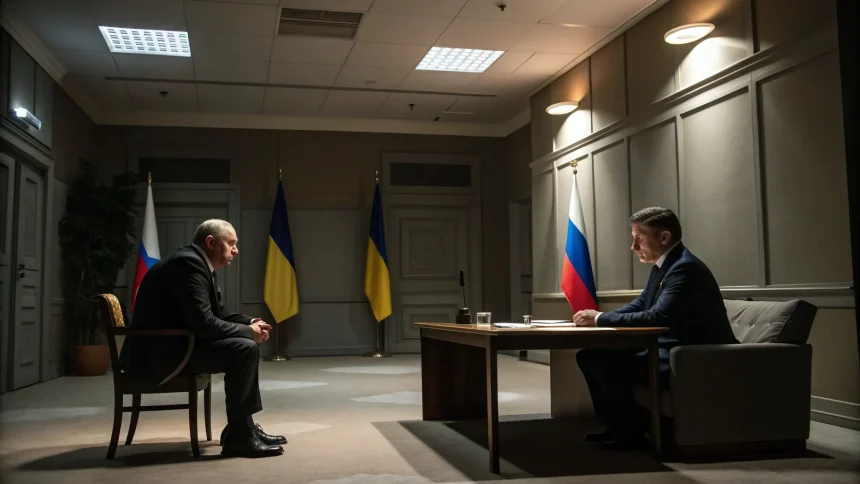
A fresh allegation from Moscow surfaced a day after Ukrainian President Volodymyr Zelenskyy met Donald Trump in Florida, injecting tension into already fraught ties. The timing raised questions about motive and impact as both leaders sought to manage a volatile war and shifting politics.
At issue is a new claim by Russia that drew an immediate reaction from Trump. He signaled he was upset and took the charge seriously. The response hinted at potential friction in talks with Kyiv and the broader debate over support for Ukraine.
“The allegation came just a day after Ukrainian President Volodymyr Zelenskyy had traveled to Florida for talks with Trump. Trump initially appeared to take the Russian allegations seriously and said he was angry.”
Background and Context
Russia’s invasion of Ukraine has entered another grinding phase, marked by missile strikes, drone attacks, and trench fighting. Ukraine relies on Western aid for weapons and economic support. Washington’s role remains central, with debates over funding and strategy continuing to shape policy.
Zelenskyy’s trip to Florida signaled an effort to maintain ties across the U.S. political spectrum. Meetings with American figures can help secure assurances on aid, sanctions policy, and long-term commitments. New claims from Moscow have often aimed to disrupt such efforts.
Russia has a track record of issuing allegations to sway public opinion. These claims frequently emerge around high-profile diplomatic moments. The tactic tests unity among Ukraine’s partners and can influence media narratives.
Reactions and Political Stakes
Trump’s reported anger highlights the risk that sudden claims can reshape dialogue. His stance matters because it can affect Republican views on support for Ukraine and shape public debate. Any shift in tone may ripple through Congress and foreign capitals.
For Zelenskyy, the timing is sensitive. He seeks to keep aid flowing, win new security assurances, and maintain a united front. A negative turn in U.S. politics would complicate military planning and diplomacy with Europe and other partners.
Russia benefits when allies of Ukraine disagree or hesitate. A public dispute could slow decisions on air defenses, artillery shells, and financial support that Ukraine needs to hold the line.
Information Warfare and Verification
Analysts warn that wartime claims often lack immediate verification. Independent checks are rare in contested areas, and early reports can be incomplete. Governments and media outlets face pressure to respond fast while avoiding errors.
- Claims should be checked against satellite imagery, open-source videos, and forensic tools.
- Officials can reduce confusion by releasing clear evidence and timelines.
- News outlets can flag what is confirmed, disputed, or unknown.
Experts say the best response to unverified charges is patience and public transparency. Quick, clear updates help reduce the spread of misleading narratives. That approach can also prevent overreactions that play into an adversary’s strategy.
Implications for Policy and Aid
Ukraine’s military needs are urgent. Delays in aid can have immediate effects on the ground, from air defense gaps to ammunition shortages. A pause in political support could weaken Ukraine’s bargaining position in any talks.
For the United States, the episode is a test of message discipline. A consistent line from leaders across parties can blunt attempts to sow doubt. It can also reassure allies in Europe that Washington remains committed.
For Russia, even a brief window of confusion can be useful. It can slow deliveries, complicate planning, and fuel domestic debates abroad. The strategic value lies in the distraction as much as the claim itself.
What to Watch
Key questions will shape the next steps:
- Do U.S. leaders demand evidence from Moscow and share their own findings?
- Does Trump’s initial anger shift after briefings and reviews?
- Can Kyiv and Washington present a united response?
- Do allied governments echo a common message or issue separate statements?
Clear evidence and steady communication will determine how much the claim affects policy. Financial and military aid decisions in the coming weeks will signal whether the episode alters momentum.
The Florida meeting showed that Ukraine is pressing its case across U.S. politics. The Russian allegation tested that outreach. The next moves—fact-sharing, coordination, and measured responses—will show whether the claim changes anything on the battlefield or in capitals.
For now, the most important steps are verification and unity. If leaders keep those priorities, the episode may pass with limited effect. If not, the fallout could shape aid flows, negotiations, and the war’s next phase.