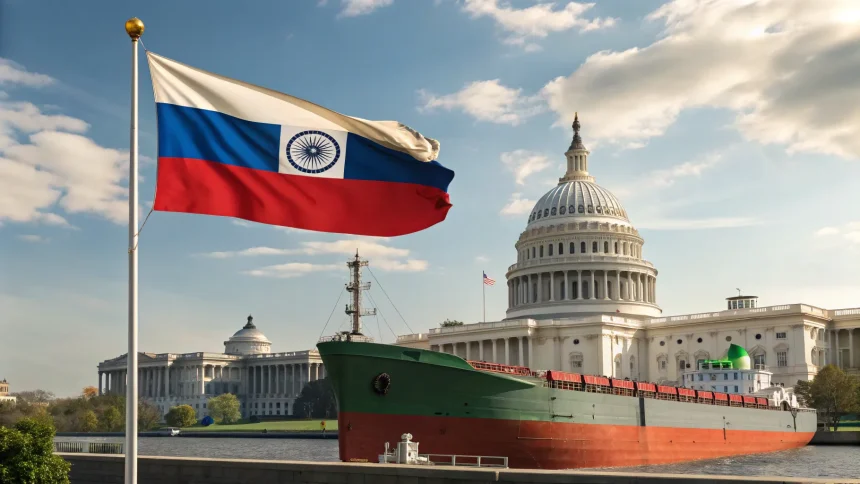
The United States has imposed a 50% tariff on India for its purchases of Russian oil, marking one of the highest duty rates applied to any U.S. trading partner. This significant trade action comes amid ongoing tensions over India’s continued energy relationship with Russia despite Western sanctions.
The new tariff represents a major escalation in U.S. trade policy toward India, potentially straining the relationship between the world’s largest and fifth-largest economies. The decision places India among a select group of nations facing the highest level of U.S. trade penalties.
Strategic and Economic Implications
The tariff appears designed to pressure India to reduce its Russian oil imports, which have increased substantially since Russia’s invasion of Ukraine. India has maintained that its oil purchases from Russia are based on economic necessity rather than political alignment.
Energy analysts note that India has become one of the largest buyers of Russian crude oil since Western sanctions limited Russia’s customer base. The country has taken advantage of discounted prices, with some estimates suggesting India saves billions annually through these purchases.
“This 50% tariff will significantly impact the economics of India’s Russian oil imports,” said an industry expert familiar with the situation. “It effectively eliminates the price advantage India has enjoyed.”
Diplomatic Balancing Act
The tariff places India in a difficult position as it attempts to balance relationships with both Russia and Western nations. India has historical ties with Russia, particularly in defense procurement, while simultaneously working to strengthen its strategic partnership with the United States.
The Indian government has consistently defended its right to make independent energy purchasing decisions based on national interest and economic considerations. Officials have pointed out that European nations continued purchasing Russian energy for months after the Ukraine invasion began.
The timing of this tariff action is notable as it comes during a period when the U.S. has been working to strengthen ties with India as a counterbalance to China’s growing influence in the Indo-Pacific region.
Potential Economic Impact
The 50% tariff could have several effects on India’s economy:
- Higher import costs for crude oil, potentially leading to increased domestic fuel prices
- Pressure on India’s trade balance and currency
- Possible retaliatory measures against U.S. exports to India
- Disruption of global energy markets as India seeks alternative suppliers
Indian refiners may need to quickly diversify their crude oil sources or face significantly higher costs. This could benefit other oil-producing nations like Saudi Arabia, the United Arab Emirates, and the United States itself.
The tariff also raises questions about the broader U.S. strategy toward nations that maintain economic ties with Russia. Some analysts suggest this could be the beginning of a more aggressive approach to enforce compliance with Western sanctions.
As global energy markets adjust to this development, both countries will likely engage in intensive diplomatic discussions to address the situation. The outcome could reshape not only bilateral relations but also influence the broader geopolitical landscape in Asia.