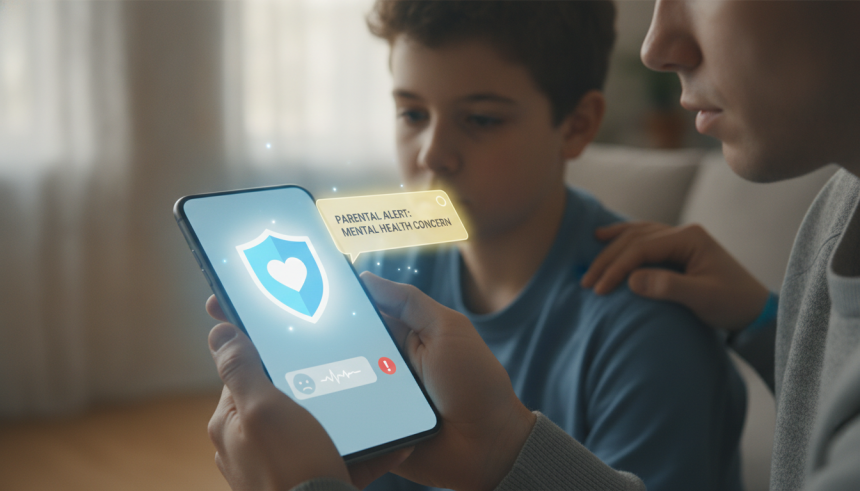
Instagram will begin notifying parents when a supervised teen discusses suicide or self-harm with Meta’s built-in chatbot, a shift that places mental health alerts at the center of the app’s safety strategy. The change applies to families using Instagram’s parental supervision tools and is rolling out now, according to the company.
“Parents using Instagram supervision tools will now be notified if their teen discusses suicide or self-harm with Meta AI.”
The update aims to give guardians faster insight into potential crises while teens are using AI features inside the app. It also raises fresh questions about privacy, consent, and how automated systems flag sensitive content.
What the New Alerts Do
The notification feature is tied to Instagram’s existing Family Center, where parents and teens can set supervision by mutual agreement. If enabled, parents receive an alert when AI chat content suggests suicide or self-harm risk. Meta says the goal is early support, not punishment.
Meta AI is available in several parts of Instagram, including chat. The company already blocks or limits certain terms and provides crisis resources. The new step connects those safeguards to parent notifications for supervised accounts.
- Alerts only apply to teens enrolled in supervision.
- Notifications focus on suicide or self-harm discussions.
- Crisis resources remain available to teens within the app.
Balancing Safety and Privacy
Safety groups have long urged social platforms to move faster when users show signs of self-harm. Some parents welcome the alerts as a vital heads up.
“If my child is in real distress, I want to know quickly,” said a parent advocate who supports stronger in-app warnings. “That message could help us step in and find care.”
Privacy advocates warn that automated monitoring can chill teens’ willingness to seek help. They argue that sensitive conversations might be better handled by trained responders rather than escalating to guardians by default.
“Teens need spaces to ask hard questions,” said a digital rights researcher. “If they fear that every word could be flagged, they may go silent or move to less safe channels.”
How Clinicians View the Change
Mental health professionals say alerts can be useful when paired with direct support. They caution that context matters, since models can mistake a discussion about mental health for a crisis.
“False alarms can strain trust at home,” said a licensed clinician who works with adolescents. “Families should agree on how to respond, use calm language, and connect with care if needed.”
Experts recommend that parents treat a notification as a prompt for conversation, not surveillance. Many encourage families to set expectations before enabling supervision and to review available hotlines and local services.
Algorithmic Flags and Limits
AI models detect risk based on patterns in text, which can miss nuance or trigger on ambiguous phrases. Companies often combine keyword checks with safety classifiers, then attach links to resources like crisis lines. Parents may not see the full chat, depending on product settings and local laws, which can reduce context.
The quality of alerts depends on precision. Overly broad triggers can overwhelm families. Narrow triggers can miss urgent cases. Regular audits, transparent policies, and user feedback loops are key to improving accuracy.
What It Means for Instagram and Beyond
Meta has expanded teen safety tools across its apps in recent years, adding default privacy settings, time limits, and content filters. The new step ties AI features to parental awareness, hinting at how large platforms may integrate safety signals across products.
Competitors face similar pressures from regulators and schools to address youth mental health risks online. If Instagram’s approach gains support, other services may copy it. If backlash grows over privacy, companies could favor in-app coaching and professional handoffs instead of parental alerts.
What Families Can Do Now
Families that enable supervision should review settings together and decide how to respond if an alert arrives. A plan can help turn a sensitive moment into support.
- Set clear expectations before turning on alerts.
- Agree on how to talk about difficult topics.
- Keep crisis contacts and local resources handy.
- Check school or community counseling options.
The update signals a new phase in how social apps handle teen safety. It connects parental awareness to AI-driven risk detection inside everyday features. The benefits will depend on how accurate the alerts are and how families respond. In the weeks ahead, watch for clearer guidance from Meta on how the system works, opportunities to provide feedback, and any changes that refine alerts while protecting teen privacy.