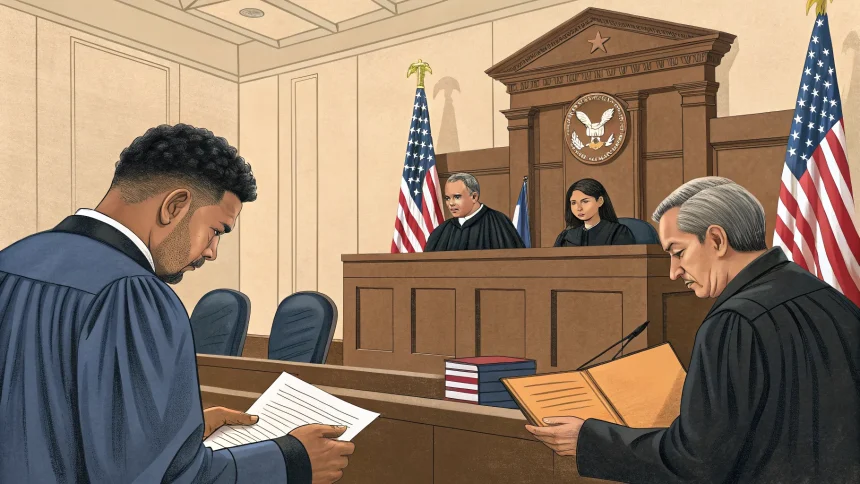
The Trump administration moved this week to strip citizenship from 11 people across the United States. Officials said the targets were accused of crimes including child sexual abuse and providing material support to terrorists. The Justice Department is seeking to revoke naturalization through civil court actions, citing fraud and concealed offenses. The effort signals a continued focus on immigration enforcement and public safety.
“The Trump administration moved this week to denaturalize 11 other people accused of crimes, including child sexual abuse and providing material support to terrorists.”
What Denaturalization Means
Denaturalization is the process of revoking a person’s U.S. citizenship after a court finds it was obtained illegally or by hiding key facts. It is not a criminal sentence by itself, but it can lead to loss of voting rights and, in some cases, removal from the country. The government must prove its case in federal court. The legal standard is high and requires clear evidence of fraud or misrepresentation tied to the original application.
Federal officials have used denaturalization for decades in specific cases, including former Nazi persecutors and human rights violators. Under the Trump administration, the Justice Department expanded its focus on reviewing old naturalization files. In 2020, it created a Denaturalization Section within the Civil Division to centralize these cases. That move drew praise from some law enforcement groups and criticism from civil rights advocates.
Administration’s Rationale and Legal Basis
Government lawyers typically file civil complaints that argue a person hid arrests, convictions, or ties to designated terrorist groups when they applied for citizenship. Officials say these omissions are material because they would have changed the outcome of the case at the time.
The Supreme Court’s 2017 decision in Maslenjak v. United States clarified that false statements must be material to the grant of citizenship. Simply lying about something trivial is not enough. That ruling set guardrails for prosecutors and shaped how judges review the evidence.
Supporters of the current push argue that denaturalization protects the integrity of naturalization. They say it prevents people with serious offenses from keeping the benefits of citizenship if they obtained it by fraud. They also note that cases focus on documented records, such as fingerprints, arrest histories, and immigration files.
Critics Warn of Overreach and Chilling Effects
Immigrant rights groups say expanded denaturalization can spread fear among naturalized citizens. They argue it may discourage eligible residents from applying. Advocates worry that old paperwork errors could be used as grounds for court action years later. They call for clear limits and more transparency about how targets are chosen.
Legal scholars add that the high burden of proof should prevent routine use. Still, they urge careful review to avoid punishing honest mistakes. They also stress the need for access to counsel and time to respond, given the serious stakes.
Trends and What’s Different Now
The Trump administration placed immigration enforcement at the center of its agenda. Denaturalization became part of that mix, alongside increased vetting and data checks. Past federal reviews, such as fingerprint audits, led to new scrutiny of older cases where identities may have been mismatched or records were incomplete.
- Civil, not criminal: Most denaturalization actions are civil lawsuits.
- High bar: The government must show material fraud tied to citizenship.
- Serious offenses: Prioritization includes sex crimes and terrorism-related conduct.
Analysts expect the number of filings to track policy priorities and resources. Creating a dedicated unit in 2020 signaled more organized case development. Future administrations can redirect that effort, either by narrowing focus to the most severe cases or by continuing broad reviews.
Impact on Communities and Courts
For communities, these actions raise questions about trust in government programs and the long-term security of citizenship. For courts, they add complex cases that require careful fact-finding about decades-old records. Judges must weigh evidence of alleged fraud against the strong presumption that citizenship, once granted, should be stable.
Attorneys who represent naturalized citizens advise clients to keep copies of applications and underlying records. They say precise documentation can help resolve disputes about what was disclosed. They also point to the Maslenjak standard as key protection against minor or unrelated omissions.
The latest move to denaturalize 11 people shows that these cases remain a live tool for federal officials. It also shows the tension between security goals and confidence in the naturalization process. Outcomes will depend on the facts in each case and the courts that hear them.
The central question is how to target clear fraud without sweeping in applicants who made small mistakes. Watch for how many cases proceed past initial filings, how judges apply materiality, and whether future policy shifts narrow or expand the scope. For now, the government’s message is direct: those who concealed grave crimes or ties face the loss of citizenship; those who did not will have their day in court.