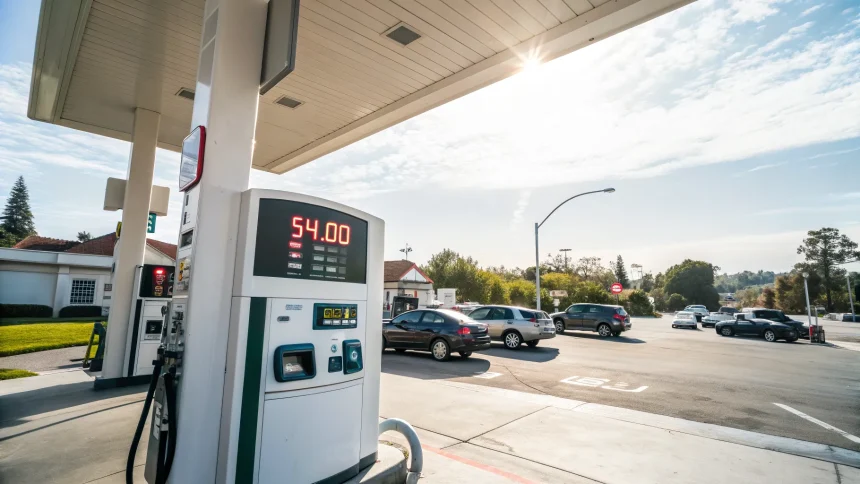
Drivers across the United States face pricier fill-ups as more states cross the $4-per-gallon mark for regular gas. After more than two weeks of steady increases, fewer places now average below that threshold. The squeeze is spreading region by region, raising fresh worries about summer travel budgets and small business costs.
The number of states with gas below $4 has been shrinking each day, after more than two weeks of steady increases at the pump.
The pattern suggests a broad move higher rather than a one-off spike. It is most visible in West Coast and Northeastern markets, but pressure is building inland too. Analysts point to a familiar mix of factors: higher crude prices, seasonal fuel changes, and refinery constraints.
Why Prices Are Rising Now
Spring often brings an uptick in prices. Refineries switch to summer-grade gasoline, which is designed to reduce smog in warmer weather. That change can add costs and trim supply during the transition.
Crude oil matters most. Even modest gains in oil futures flow through to retail stations within days. When global benchmarks climb, pump prices tend to follow. Recent moves in oil have been tied to steady demand, restrained output from major producers, and ongoing conflict risks that keep traders on edge.
Refinery issues can make a tight market tighter. Planned maintenance, unexpected outages, or lower run rates in key hubs reduce gasoline output. When that happens during the spring shift to summer blends, the market has less cushion to absorb shocks.
- Seasonal switch to summer-grade fuel adds cost and limits supply.
- Higher crude oil prices lift wholesale gasoline costs.
- Refinery maintenance and outages compound local tightness.
Regional Pressure Points
Coastal states, which rely more on imported fuel or long supply chains, often feel price jumps first. West Coast markets face strict fuel standards and fewer refineries, magnifying any hiccup. Northeastern drivers are exposed to wholesale swings when shipping lanes get crowded or storm risks rise.
In the Midwest and South, prices can move in quick bursts when a large refinery slows or pipeline flows change. Even with strong distribution networks, a higher national baseline leaves less room for bargain pockets to hold under $4.
Household and Business Impact
Higher gas prices act like a tax on mobility. Commuters pay more each week, and family trips become pricier. Delivery firms and tradespeople see rising operating costs, which can filter into service prices. Independent truckers feel the pinch at diesel pumps too, though diesel and gasoline follow different supply patterns.
Some households will cut back on discretionary driving or shift routes to cheaper stations. Others may delay travel or consolidate errands. For small businesses with thin margins, extra fuel spending can force tough choices on pricing or payroll.
What Could Bring Relief
Relief depends on supply and crude trends. If oil prices ease, retail prices usually soften within days. Faster refinery output, once summer-grade production ramps, can also help. State tax holidays have been used before, but they are rare and often temporary.
Hurricane season is the big wild card for Gulf Coast refining. A quiet season would support smoother supply. A major storm could push prices higher, especially in the eastern half of the country.
Signals To Watch
Drivers and businesses can watch a few simple gauges to guess where prices are headed next.
- Crude oil benchmarks. Lower oil often leads to lower pump prices.
- Refinery utilization. Higher run rates usually add supply.
- Wholesale gasoline futures. Retail tends to track with a lag.
- Storm forecasts for the Gulf Coast and key pipelines.
The steady march above $4 in more states shows momentum on the side of higher prices for now. The shift to summer fuel and tight refining margins suggest near-term pressure could linger. A pullback in oil or a quick rebound in refinery output would help stops the slide, but those drivers are not guaranteed. Until then, expect more maps to turn the same color: expensive.