A sharp drop in UK temperatures is pushing a simple, urgent question into homes nationwide: how to stay warm without risking health or breaking the bank. Forecasters expect several days of colder weather across much of the country, raising concerns for older people, families with young children, and anyone navigating higher energy costs.
Public health advisers warn that even modest indoor chill can raise risks, while energy specialists stress practical steps to heat efficiently. Charities also report growing demand for advice as households weigh comfort against cost. The shared goal is plain: keep rooms warm enough to be safe, use appliances correctly, and watch for warning signs of cold-related illness.
The Question Driving the Week
“As temperatures fall across much of the UK, how should you heat your home and keep yourself safe?”
That question reflects a familiar winter squeeze. In recent years, cold spells have coincided with tight household budgets. Health services typically see upticks in respiratory illness, falls, and heart strain during extended cold snaps. Officials advise maintaining steady indoor warmth rather than “yo-yo” heating, which can stress both bodies and boilers.
Why Indoor Warmth Matters
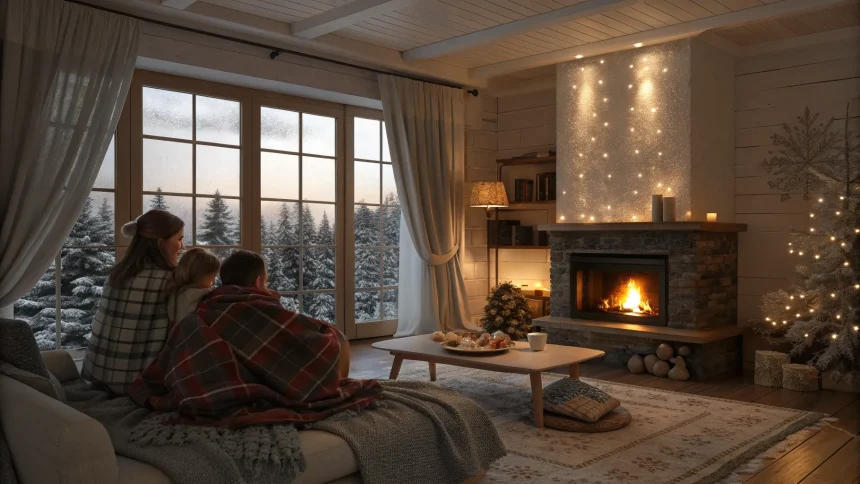
Cold air narrows blood vessels and can raise blood pressure. It also makes it harder for the body to fight infections. Older adults, babies, and people with chronic conditions are most at risk. Public health guidance in past winters has advised keeping living rooms and bedrooms at safe minimum temperatures and wearing layers that trap heat.
Experts say the key is consistency. Short bursts of high heat do less good than a stable, moderate setting that prevents damp and drafts. Good ventilation remains important, but long window-opening sessions can undo heating gains and add moisture. A few minutes of air exchange is often enough.
Heating Safely: What To Do Now
Energy specialists recommend targeting the rooms you use most, checking timers and thermostats, and sealing easy heat leaks. Safety checks are essential for any fuel-burning device, and working alarms can save lives.
- Keep main living spaces warm during the day and bedrooms warm at night.
- Use thermostatic radiator valves to set lower heat in unused rooms.
- Bleed radiators if they have cold spots; it helps systems run better.
- Never use outdoor heaters or ovens for indoor warmth.
- Install and test carbon monoxide and smoke alarms.
- Vent tumble dryers correctly to reduce damp and mold.
- Wear layers, warm socks, and use blankets to add passive heat.
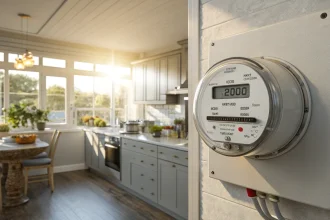
For households with prepayment meters, advisers suggest topping up before severe weather hits to avoid supply interruptions. If that is not possible, they urge contacting suppliers about support schemes and emergency credit options.
Managing Costs Without Losing Heat
With bills still high for many, the pressure to turn the thermostat down is real. Energy analysts often point to small wins that add up: closing internal doors, adding draft excluders, and using thermal curtains. Setting hot water to a sensible temperature and lowering boiler flow temperature on modern systems can reduce gas use while keeping rooms warm.
Electric heaters can help target a single room, but they tend to cost more to run than central heating. Fan heaters warm quickly but cool fast; oil-filled radiators hold heat longer. Safety rules apply: keep clear space around heaters and turn them off when leaving the room.
Health Checks and Red Flags
Doctors say to watch for signs that the cold is affecting health. Shivering, slurred speech, unusual tiredness, or chest pain are warning signs. A cold home can also worsen asthma and arthritis. If someone is at high risk, relatives and neighbors can help by checking in, especially overnight and early morning when indoor temperatures dip.
What Comes Next
Short-term forecasts show patchy ice and night frosts in several regions. Local councils may expand gritting and warm-space offers, while community groups step up outreach. If the cold snap lingers, demand for support will likely grow, and services may issue updated advice.
For now, the plan is straightforward: keep core rooms warm, run heating safely, and act early on small fixes. The bigger picture is a familiar winter balancing act between cost and comfort. The next few days will test how well households, services, and energy systems hold that balance—one warm room and one working alarm at a time.