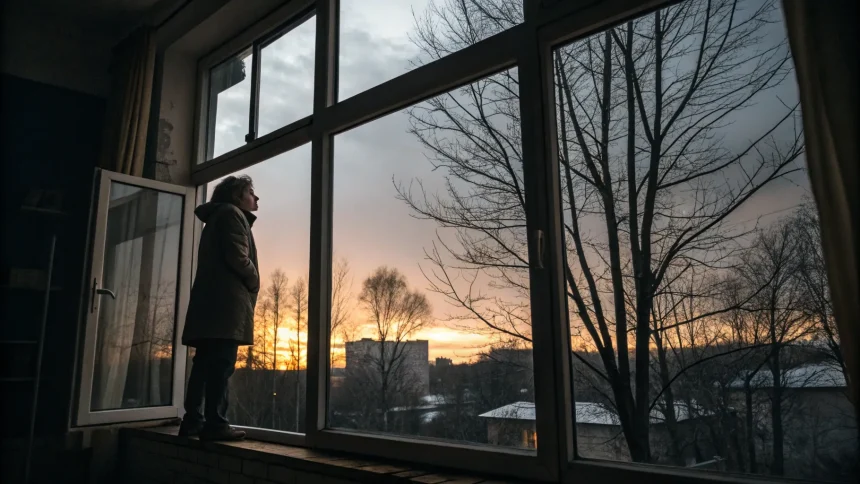
As autumn progresses, Americans face a double challenge: the continued isolation of the COVID-19 pandemic now compounded by seasonal changes that typically affect mental health. With sunset arriving noticeably earlier and temperatures dropping, people are experiencing less mood-lifting daylight while spending more time indoors.
For many, this combination threatens to worsen the psychological strain they’ve endured during six months of pandemic restrictions. The changing season brings concerns about increased depression, anxiety, and seasonal affective disorder as people who have already been isolated now face even more time confined indoors.
The Seasonal-Pandemic Mental Health Connection
Mental health experts have noted that seasonal changes affect many people under normal circumstances. Reduced sunlight exposure can disrupt the body’s internal clock and lead to drops in serotonin levels, both factors that can trigger depression.
This year, these seasonal effects arrive as many Americans already struggle with pandemic-related mental health issues. The combination creates what some health professionals describe as a perfect storm for psychological distress.
“The pandemic has created unprecedented levels of isolation for many Americans,” notes one expert quoted in the report. “Adding seasonal factors like reduced daylight hours and colder weather removes some of the coping mechanisms people have been using, such as outdoor socializing.”
Coping Strategies for the Months Ahead
Health professionals recommend several approaches to maintain mental wellness during this challenging period:
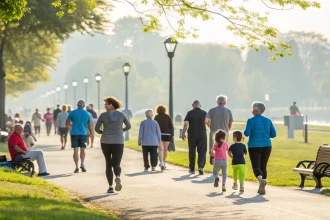
- Maintaining social connections through video calls, phone conversations, and safe outdoor activities when possible
- Establishing consistent daily routines to provide structure
- Getting outside during daylight hours, even briefly
- Using light therapy lamps, which mimic natural sunlight
For those with existing mental health conditions, experts stress the importance of staying connected with treatment providers and being proactive about adjusting care plans for the changing season.
“We need to acknowledge that this winter will be different and prepare accordingly,” said one mental health professional. “Being intentional about self-care isn’t a luxury this year—it’s essential.”
Vulnerable Populations Face Greater Risks
Certain groups may face heightened challenges during this period. Older adults, already at higher risk for COVID-19 complications, often experience more isolation during winter months even in normal years. This isolation can now be magnified by pandemic restrictions.
Parents of young children also face particular difficulties as outdoor play options diminish with colder weather, removing a key coping strategy many families have relied on during the pandemic.
People with seasonal affective disorder (SAD), which affects an estimated 5% of Americans, may find their symptoms intensifying earlier or more severely this year due to pandemic-related stress.
Mental health professionals are encouraging a proactive approach, suggesting that people begin implementing coping strategies now rather than waiting for symptoms to worsen.
Community Resources Adapting to Meet Needs
In response to these challenges, many communities are developing innovative approaches to support mental health through the coming months. Virtual support groups, online wellness classes, and expanded telehealth services are becoming more widely available.
Some municipalities are also exploring ways to create safe outdoor winter activities that allow for social distancing while providing opportunities for exercise and limited social interaction.
Health experts emphasize that seeking help early is crucial. Many mental health providers have expanded their virtual services, making professional support more accessible than before the pandemic.
As the days grow shorter and temperatures drop, health professionals stress that while this winter presents unique challenges, preparation and proactive self-care can help mitigate the mental health impacts of this unusual season.