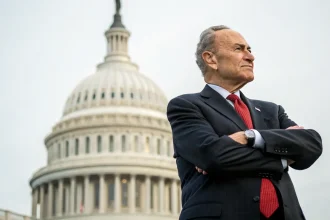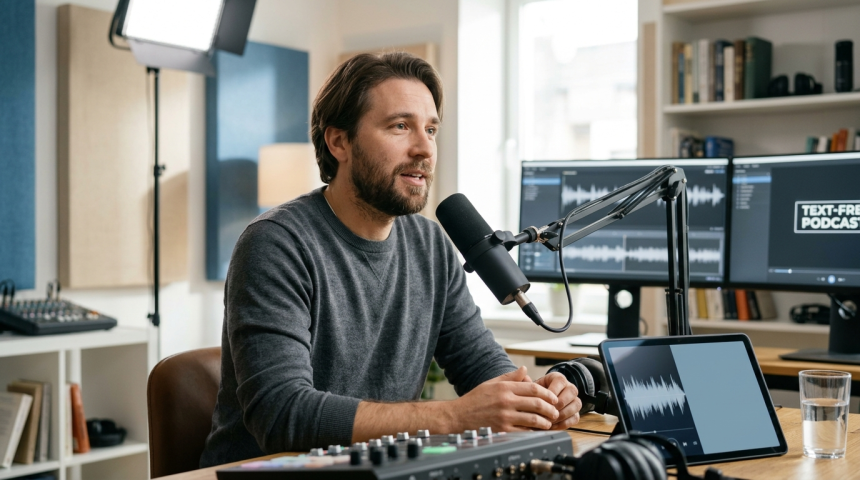
An unnamed podcaster offered a take on political polling days after Donald Trump attacked surveys he called “phony.” The sequence renewed a familiar dispute over how polls are conducted, reported, and used during political campaigns.
Few details about the podcaster’s comments were available, including the program, recording date, and exact argument. That limits any firm assessment of the remarks. Still, their timing placed the commentary within a broader debate about public trust in election forecasts.
Trump Revives a Familiar Criticism
Trump has repeatedly challenged polls that show him or his policies receiving weak support. His latest criticism used a short but pointed description.
“Phony” polls.
Such attacks can serve several political goals. They may reassure supporters, challenge unfavorable coverage, or weaken confidence in information that conflicts with a campaign’s message.
Poll criticism is not limited to one political party. Candidates often question surveys based on their sample, timing, wording, or assumptions about who will vote. However, dismissing all unfavorable polling can hide real changes in public opinion.
Why Poll Results Can Differ
A poll is an estimate, not a final vote count. Results can vary because researchers use different methods and reach different groups of people.
- Sample size affects the margin of error.
- Question wording can shape responses.
- Telephone and online surveys may reach different voters.
- Likely-voter models rely on assumptions about turnout.
Timing also matters. A survey taken after a major speech, court ruling, or economic report may capture a brief reaction rather than a lasting shift.
For that reason, analysts often examine averages from several polls. A polling average can reduce the effect of an unusual result, although it cannot correct every sampling or turnout problem.
Podcasts Shape Political Interpretation
Podcasters now play a major role in explaining political news to audiences. Their programs often mix reporting, opinion, and entertainment. That format can make polling debates easier to follow, but it may also blur the line between evidence and personal judgment.
The unnamed podcaster’s take cannot be evaluated fully without the complete comments. Key questions include whether the speaker cited polling methods, compared several surveys, or simply responded to Trump’s accusation.
That distinction matters. A detailed criticism of methodology can help voters judge a poll. A broad claim that polling is fake offers less useful information unless evidence supports it.
Trust Depends on Transparency
Responsible polling organizations usually disclose who paid for a survey, how respondents were contacted, and when interviews occurred. They may also publish the sample size, question wording, and margin of error.
News outlets and commentators can add context by explaining those details. They should also avoid treating a single poll as a prediction. Even a well-run survey provides a snapshot of opinion during a limited period.
The dispute highlights the need to separate criticism of one poll from rejection of polling as a whole. Trump’s “phony” label may connect with voters who distrust political institutions. Yet the value of any survey rests on its methods, not whether its findings help or hurt a candidate.
More information about the podcaster’s argument is needed before drawing conclusions about the exchange. Future coverage should focus on the evidence behind both claims and the quality of the polls at issue.