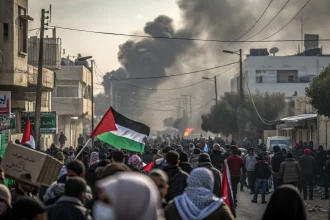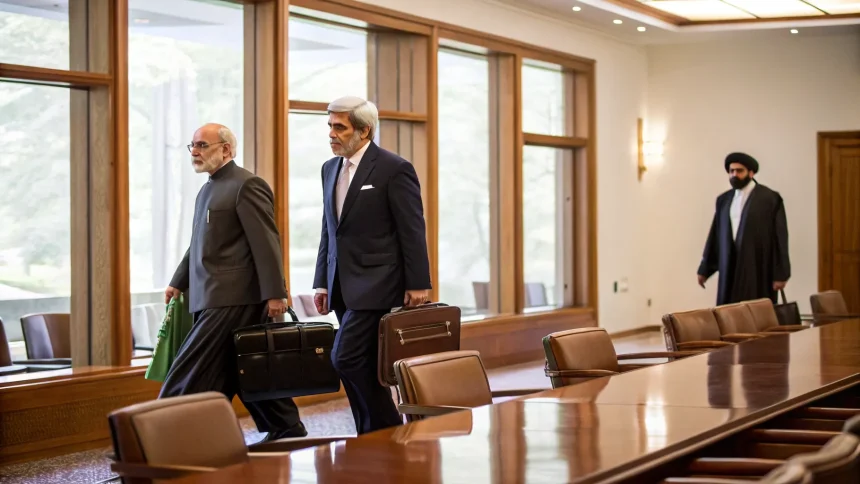
Ceasefire talks between the United States and Iran ended without a deal in Islamabad, heightening uncertainty over the next steps in a region already on edge. Negotiators left the host city after a short round of discussions and will brief leaders at home on the path forward. The collapse of talks leaves open questions about immediate security risks, regional diplomacy, and whether any pause in hostilities is still within reach.
“As the U.S.–Iran ceasefire talks ended without an agreement in Islamabad, Pakistan, both sides blamed each other for the failure. Negotiators will now return to their capitals and reconsider their next moves.”
How the Talks Broke Down
Both parties emerged from the meeting pointing fingers rather than presenting a joint statement. The lack of a shared roadmap suggests gaps on key issues, such as terms for a ceasefire, the scope of verification, and sequencing of any steps. The decision to return home signals a pause in formal engagement while each side reassesses leverage, domestic pressures, and regional dynamics.
Why Islamabad Hosted the Meeting
Pakistan often offers a neutral venue for sensitive contacts. Islamabad has working ties with Washington and maintains channels with Tehran. Hosting allows Pakistan to project diplomatic relevance while keeping tension away from immediate flashpoints. It also provides space for quiet talks that can be hard to arrange elsewhere.
What Is at Stake
The failure to reach a ceasefire prolongs risk in a region where even minor incidents can escalate. Maritime security, energy flows, and the safety of civilians near conflict zones remain central concerns. A breakdown in dialogue can also empower hard-liners on each side who argue that concessions do not pay.
- Security: A longer wait for de-escalation raises the chance of miscalculation.
- Economy: Energy markets react to uncertainty, with traders watching for supply shocks.
- Diplomacy: Allies and neighbors may push for renewed talks or propose side understandings.
Historical Context and Repeated Setbacks
U.S.–Iran diplomacy has swung between brief openings and long freezes for decades. Periods of quiet often follow bursts of pressure, sanctions, and proxy activity. Prior attempts to manage crises have used incremental steps, including indirect communication, third-party mediation, and limited humanitarian gestures.
This pattern has shown that progress usually depends on clear incentives, public messaging that leaves room for compromise, and verification that satisfies both sides. When those elements are missing, mistrust hardens and dialogue stalls.
Reading the Signals From Both Sides
Public blame suggests each party is protecting its negotiating space at home. Signaling toughness can help leaders avoid backlash while preserving the option to return to talks. The statement that negotiators will “reconsider their next moves” indicates that formal channels are not closed, but near-term engagement may shift to quiet, indirect contacts.
Possible Paths Back to the Table
Diplomats often use small, verifiable steps to restart momentum when major deals fail. Limited measures can lower tensions and build confidence for a broader accord.
- Humanitarian arrangements that protect civilians.
- Military-to-military deconfliction to reduce risk at sea and on land.
- Third-party proposals that frame a phased ceasefire with clear timelines.
Regional partners could also facilitate renewed engagement by offering monitoring or hosting technical meetings. Even brief pauses can create space for a larger agreement later.
Implications for the Region and Markets
With no deal in hand, regional actors are likely to hedge. Some may tighten security around key infrastructure. Others may press Washington and Tehran for guardrails to prevent escalation. Markets will watch for any sign of supply disruption or new sanctions pressure, which could raise shipping costs and insurance rates.
What to Watch Next
The most important signal will be whether backchannel contacts continue. A new meeting, even at a technical level, would show that talks are not dead. Public statements that soften blame or outline narrow areas of agreement would also point to progress. If rhetoric hardens and incidents rise, the window for a ceasefire could narrow.
The talks in Islamabad closed without an agreement, but not without options. Each side will now test pressure and incentives while assessing domestic constraints. The next few weeks will reveal whether they choose a calibrated return to dialogue or risk another cycle of confrontation. Watch for quiet steps, not grand declarations, as the clearest sign that a ceasefire is still possible.