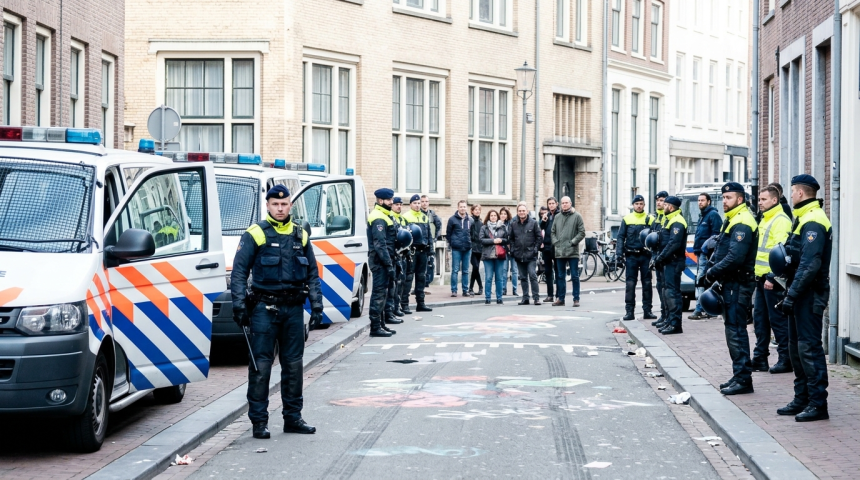
Authorities ordered a deployment after a foreign national was beaten to death during an anti-immigrant protest last week, raising urgent concerns about public safety and mob violence.
The available account does not identify the country, city, victim, or agencies involved. It also does not specify what personnel or resources were deployed. Those missing details limit any assessment of the operation’s size and purpose.
Still, the timing links the deployment to a fatal attack during a protest focused on immigration. The death may increase pressure on authorities to prevent further violence while protecting lawful public assembly.
Fatal Attack Raises Security Concerns
The central confirmed fact is stark:
“A foreign national was beaten to death by a mob during an anti-immigrant protest last week.”
The account does not explain whether the victim attended the protest, lived nearby, or was targeted because of nationality. It also provides no information about arrests, criminal charges, or the number of attackers.
Investigators will need to establish how the assault began and whether it was planned. They must also examine whether officials received warnings before the protest and whether security measures were adequate.
If evidence shows the victim was selected because of nationality or perceived immigration status, authorities may consider hate-crime laws. The legal options will depend on the jurisdiction and available evidence.
Deployment Details Remain Unclear
The term deployment could refer to police officers, military personnel, border units, or emergency security teams. Without an official description, its scope cannot be confirmed.
Several questions now require answers:
- Which agency authorized and carried out the deployment?
- Where were personnel sent, and for how long?
- Was the mission focused on crowd control, community protection, or arrests?
- What rules govern the use of force during future demonstrations?
Authorities face two duties that can come into tension. They must protect peaceful protest rights, but they must also stop threats and assaults. Broad restrictions could affect lawful demonstrators, while a weak response could leave immigrants and foreign residents at risk.
Communities May Face Wider Effects
A killing tied to anti-immigrant unrest can spread fear well outside the protest site. Foreign nationals may avoid work, public transit, shops, or government offices if they believe they could be targeted.
Community groups are likely to seek visible protection and clear information about the investigation. Protest organizers may argue that individual attackers should not define every participant. Both concerns make verified evidence and precise public statements important.
Officials can reduce tension by reporting arrests, explaining security decisions, and separating confirmed facts from rumors. Independent review may also be needed if questions arise about the police response before or during the attack.
The deployment signals that officials view the aftermath as a serious security issue. Its success will depend on whether it prevents further harm without treating peaceful activity as a crime. The next developments to watch are the victim’s identification, possible arrests, the deployment’s scope, and any measures designed to protect immigrant communities.