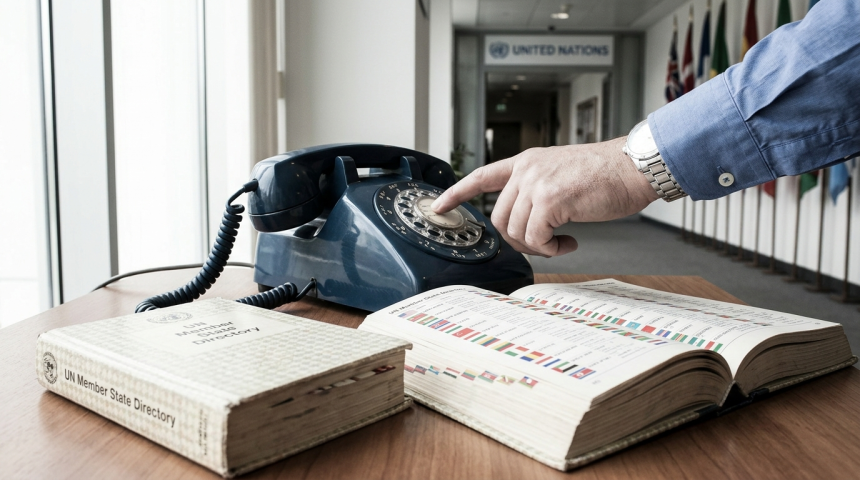
For 29 years, a telephone listing in the United Nations member directory has offered one of the few public routes to North Korea’s government.
The listing highlights how limited direct communication with Pyongyang remains. While modest, the channel has provided diplomats, journalists and others with a possible point of contact during periods of tension and uncertainty.
The actual telephone number is not included here. Its long presence in the directory, however, shows the lasting value of basic contact information when official access is scarce.
A Rare Public Contact Route
United Nations directories help identify official representatives and contact points for member states. For most governments, such details are one of several ways outsiders can seek information.
North Korea presents a different case. Its government tightly controls communication, and reliable public contact routes are limited. That makes an ordinary directory entry more significant than it might appear.
“One of the few ways to get in touch with the North Korean government has been a phone number printed in the United Nations member directory.”
The statement does not show how often calls were answered, who handled them or whether they produced meaningful exchanges. A listed number is only an access point. It does not guarantee a response.
Why Simple Channels Matter
Communication can be critical during diplomatic disputes, security incidents or humanitarian concerns. Even a narrow route may allow a caller to request clarification or pass along a message.
The listing may have served several practical purposes:
- Offering a public starting point for official inquiries
- Giving journalists a route to seek comment
- Providing a fallback when other channels were unavailable
Yet the value of the line should not be overstated. Without details about its use, no firm conclusions can be drawn about its effectiveness. The key fact is its unusual persistence as one of few available options.
A Sign of Wider Diplomatic Limits
The reliance on a directory listing points to a broader problem. Governments with few open communication channels are harder to reach when events move quickly. That can slow efforts to confirm facts or reduce misunderstandings.
At the same time, publishing an official contact point signals some willingness to remain reachable through the UN system. The directory therefore has both practical and symbolic importance.
The 29-year history of the listing shows that low-tech tools can retain value in closed diplomatic settings. The next question is whether the contact remains active and useful. Its status could offer a small but telling measure of North Korea’s continued engagement with international institutions.