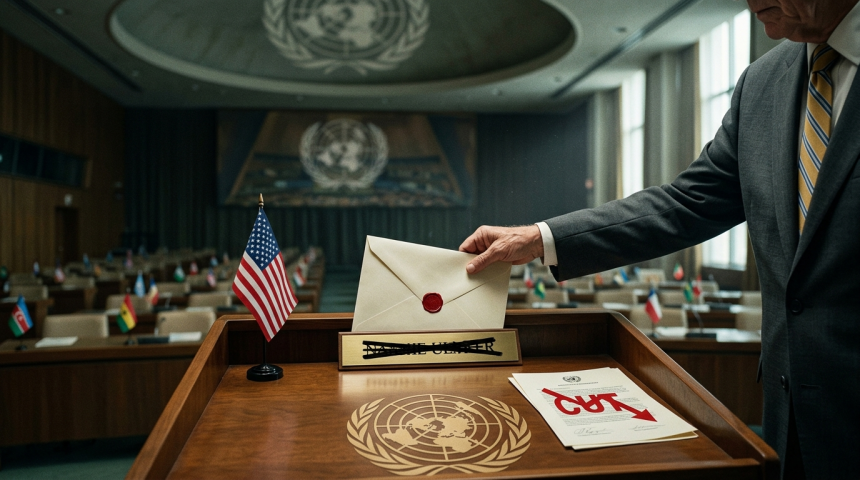
President Donald Trump has sharply reduced American funding for the United Nations since beginning his second term, challenging the organization’s largest historic financial supporter.
The cuts mark a major change in the relationship between Washington and the UN. They may affect peacekeeping, humanitarian relief, health programs, and the institution’s daily operations. The size and reach of the impact will depend on which payments are reduced and whether other countries fill the gaps.
A Long Record of US Support
The United States has historically contributed more money to the UN than any other member state. Its support reflects the size of the American economy and Washington’s central role in creating the institution after World War II.
UN funding is not one large pot. Member states make required payments to the regular budget and peacekeeping operations. Governments also provide voluntary support for agencies, humanitarian programs, and development work.
That distinction matters. A reduction in required payments can create unpaid obligations and strain core operations. Cuts to voluntary grants can quickly affect specific programs, including food aid or refugee services.
The reported shift fits Trump’s long-standing criticism of international institutions. During his first term, his administration also sought lower spending on multilateral programs and pressed allies to carry more of the cost.
Pressure on Programs and Other Donors
Large American reductions could leave UN agencies searching for replacement funds. European governments, wealthy Asian states, and private donors may face calls to increase support.
Yet replacing US money is no small budget exercise. It is closer to removing the largest payer from a group dinner after the bill arrives. Everyone else must contribute more, accept fewer services, or combine both options.
Possible effects include:
- Delayed or reduced humanitarian assistance in conflict zones.
- Pressure on peacekeeping missions and their staffing.
- Smaller budgets for health, refugee, and food programs.
- Greater influence for countries willing to replace US support.
The timing also carries diplomatic weight. Funding gives Washington influence over UN priorities, management reforms, and responses to international crises. Lower contributions could weaken that leverage even as they reduce federal spending.
A Debate Over Cost and Influence
Supporters of the reductions are likely to view them as overdue pressure on an institution often criticized for bureaucracy and uneven results. They may argue that other wealthy countries should shoulder a larger share.
Critics are likely to see a strategic retreat. They warn that US disengagement can leave room for rival powers to shape rules, leadership contests, and policy decisions.
“Historically, the United States has been the largest donor to the United Nations.”
That history makes the current reductions more consequential than an ordinary budget adjustment. American support has helped sustain both the UN’s central administration and programs operating far from its New York headquarters.
Key details remain important, including the total amount withheld, the programs affected, and the duration of the cuts. Those facts will determine whether agencies can absorb the losses or must reduce field operations.
The central trade-off is clear. The Trump administration can save money and demand burden-sharing, but doing so may reduce American influence and strain services used during wars, disasters, and displacement. The next test will be whether other donors step forward, and what they ask for in return.