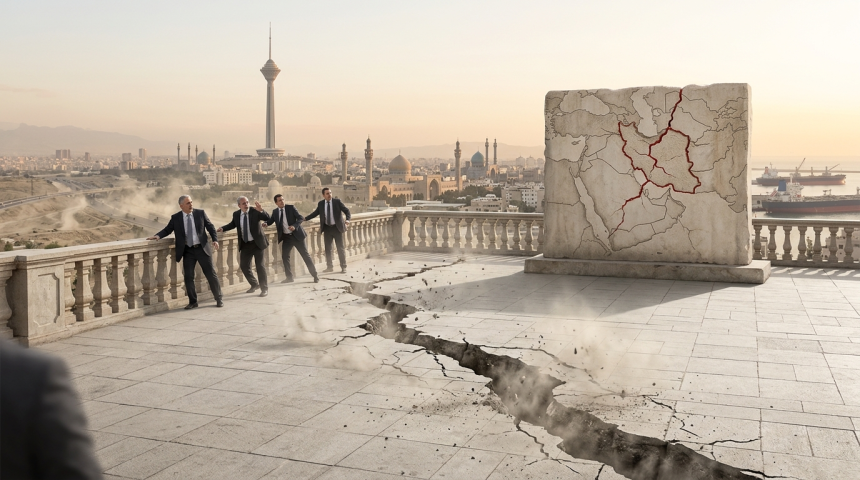
The Trump administration has declared an “economic D-Day” against Iran, prompting Tehran to warn of a “seismic” response to fresh sanctions. The sharp exchange signals a renewed phase of economic pressure and retaliation, with possible consequences for diplomacy, trade, and regional security.
Neither side has detailed its next steps in the public statements. Yet the language suggests that Washington views the sanctions as a major escalation, while Iran is preparing a forceful answer.
Washington Signals Maximum Economic Pressure
The phrase “economic D-Day” presents the sanctions as a decisive campaign rather than a routine policy change. D-Day commonly refers to the Allied landings in Normandy during World War II. Its use here gives the economic measures a military tone.
The Trump administration calls this an “economic D-Day” on Iran.
Sanctions are designed to influence governments without direct military action. They can restrict trade, financial transactions, access to foreign currency, and business relationships. Their effect often depends on enforcement and support from other countries.
The administration’s description suggests that the latest measures are intended to place severe pressure on Iran. However, no specific targets, timelines, or enforcement plans were included in the statement.
Iran Promises a Forceful Answer
Iran’s warning was equally stark. Tehran said it would respond to the fresh sanctions in a “seismic manner,” language that points to a reaction with wide effects.
Iran vows to respond to fresh sanctions in a “seismic manner.”
The statement does not explain whether that response will be economic, diplomatic, political, or military. That uncertainty may be deliberate. Governments often use broad warnings to deter further action while keeping several options available.
Iran could seek to counter pressure through diplomatic outreach, changes to its economic policies, or new regional measures. Without further details, any prediction about Tehran’s plans would remain speculative.
Rhetoric Raises the Risk of Miscalculation
The competing statements share a common feature: both use disaster or wartime imagery. Washington casts sanctions as a major assault, while Tehran portrays its planned response as an earthquake.
Such rhetoric can strengthen political support at home. It can also narrow room for compromise if either government appears unwilling to step back.
- The sanctions may increase pressure on Iran’s economy.
- Iran’s response could affect diplomatic contacts and regional tensions.
- Unclear plans leave governments and markets watching for concrete action.
Economic sanctions can also carry costs outside government. Restrictions may affect companies, consumers, and access to goods, depending on their scope and available exemptions. The limited public details make it difficult to judge those effects.
Details Will Determine the Wider Impact
The next stage will depend less on the force of the language and more on what each side does. Key issues include which Iranian sectors or institutions are targeted, how other governments respond, and whether Tehran chooses symbolic or material retaliation.
For now, the exchange shows a serious rise in pressure between Washington and Tehran. The main signs to watch are formal sanctions notices, Iranian policy announcements, and any attempt by other countries to reduce tensions. Those actions will show whether the confrontation remains economic or develops into a wider crisis.