El Niño is drawing renewed attention as warmer Pacific waters threaten rainfall, temperatures, farming, and fishing across several regions.
The climate pattern develops in the central and east-central equatorial Pacific. Its effects can spread far from the ocean, changing weather conditions worldwide. Developing countries along the Pacific often face the greatest risks because many communities depend on agriculture and fishing.
How El Niño Develops
El Niño means “The Boy” in Spanish. It is the warm phase of the El Niño-Southern Oscillation, commonly known as ENSO.
El Niño causes unusual warming of ocean water in the central and east-central equatorial Pacific.
ENSO shifts between warmer, cooler, and neutral conditions. El Niño is the warm phase, while La Niña is linked to cooler-than-usual surface waters in the same part of the Pacific.
During El Niño, ocean warming affects the atmosphere above it. Air pressure patterns and tropical winds can shift, altering where storms form and where rain falls.
The usual pressure pattern includes higher pressure over the western Pacific and lower pressure farther east. These changes can weaken normal trade winds and allow warm surface water to move eastward.
Weather Effects Reach Across the Globe
El Niño does not produce the same weather in every country. Some areas may receive heavy rainfall and face flooding. Others may experience drought, heat, or delayed rainy seasons.
The main risks include:
- Changes in seasonal rainfall and water supplies
- Higher temperatures in some regions
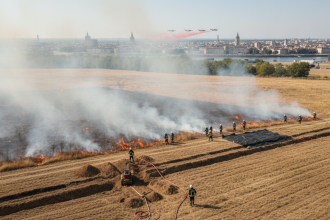
- Flooding, drought, and increased wildfire risk
- Reduced crop yields or delayed planting
- Disruption to marine food chains and fisheries
Each El Niño also differs in strength, duration, and location. A strong event can have major global effects, but local outcomes still depend on regional weather patterns.
This uncertainty makes preparation difficult. Governments may know that seasonal risks are rising without knowing exactly which districts will suffer the most damage.
Developing Economies Face Greater Exposure
Pacific developing countries are often among the most affected. Their exposure is tied to livelihoods, public resources, and limited capacity to recover after climate-related disasters.
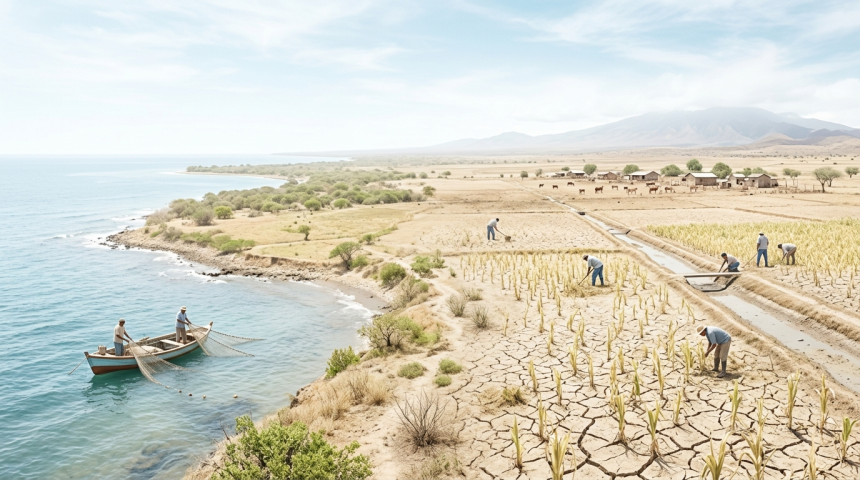
Farmers depend on reliable rainfall to plant and harvest crops. Too little rain can reduce yields and strain water supplies. Excessive rain can destroy fields, damage roads, and increase soil erosion.
Fishing communities face a different threat. Warmer ocean conditions can change nutrient levels and move fish populations into cooler waters. Lower catches can reduce household income and raise food prices.
The damage can spread through national economies. Agricultural losses may increase imports, while poor fishing seasons can weaken exports. Governments can then face higher disaster costs as tax revenue comes under pressure.
Forecasts Can Support Earlier Action
Seasonal forecasts give governments, farmers, and fishing fleets time to respond. Yet forecasts describe probabilities rather than guaranteed outcomes.
Practical steps may include conserving water, adjusting planting dates, protecting livestock, and preparing emergency food supplies. Coastal authorities can also monitor fisheries and warn communities about changing marine conditions.
Public agencies must explain risks in plain language. Early warnings have limited value if they fail to reach remote communities or do not include clear instructions.
El Niño remains a recurring climate pattern rather than a single weather event. Its warming begins in the tropical Pacific, but its economic and social costs can become global.
The key issue is how quickly authorities turn forecasts into local action. Future monitoring should focus on ocean temperatures, air pressure, rainfall outlooks, and signs of stress in crops and fisheries.