As candidates who identify as Democratic socialists gain attention, a familiar split among voters is back in view. The tension between leftward activists and center-left pragmatists is shaping primary contests and policy fights across the country. The debate is pressing because several local and national races will test how far the electorate is willing to move on issues like health care, housing, and climate.
The friction is not new, but it is sharper. Organizers who back expanded public programs argue the status quo is failing. Centrists warn that rapid shifts could cost seats in swing districts. Both sides see 2024 and 2026 as key tests of message and turnout.
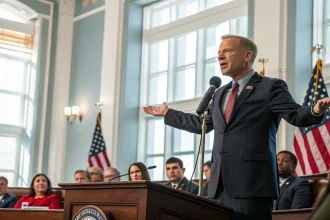
‘The Five’ discusses division among voters amid the rise of Democratic socialist candidates.
How the Movement Grew
The rise of Democratic socialist figures followed years of frustration over wages, housing costs, and debt. After the financial crisis, interest in expansive public policy increased among younger voters. The trend picked up after high-profile campaigns called for Medicare for All and free public college.
Local races offered proof of concept. Progressives won city council and statehouse seats in parts of New York, Pennsylvania, and Illinois. These wins often came through strong ground games and small-dollar donations.
The label itself divides. Some voters embrace the policy menu without the tag. Others react to the word more than the details. This gap helps explain why primaries can be fierce even when general election goals are shared.
What Voters Want
Polling shows broad support for specific ideas, even when labels draw mixed views. Large majorities favor lower drug prices, tenant protections, and paid family leave. Support often drops when questions mention higher taxes or remove private insurance choices.
Democrats in safe districts report enthusiasm for sweeping bills. Swing-district incumbents often prefer targeted fixes. They press for bills that can pass with narrow margins and win bipartisan cover.
- Left-leaning voters prioritize cost control and universal access.
- Moderates stress gradual steps and budget limits.
- Independents seek clear benefits and guardrails.
Policy Stakes On The Table
The core fights involve health care, housing, labor rules, and climate spending. Proposals include single-payer or a strong public option, rent stabilization, and major green jobs programs. Advocates say these plans meet urgent needs and cut long-term costs.
Critics raise price tags and implementation risks. They warn that voters will punish tax hikes or service disruptions. They also worry that national branding could swamp local concerns in purple areas.
The business community is split. Some sectors back stable, clear rules that reduce volatility. Others warn that quick mandates could squeeze small employers already facing higher costs.
Money, Maps, and Turnout
Fundraising patterns fuel the clash. Progressive challengers often build vast small-donor lists. Incumbents rely on party networks and local endorsements. Outside groups amplify messages that highlight either bold plans or pragmatic wins.
Maps matter. Urban districts often reward sweeping agendas. Suburban and rural seats respond to pocketbook messages. Campaigns that match policy to local cost-of-living pain points tend to perform better.
Turnout is the wild card. Younger voters support expansions in polling but vote less in midterms. Seniors vote more and prefer stability. Both wings are racing to lock in reliable support.
What TV Debate Signals
Television exchanges reflect a wider argument inside the party. The talk is less about labels and more about execution. Which plans solve daily problems soonest. Which can pass a divided Congress. Which messages attract, rather than alarm, swing voters.
Analysts point to recent mayoral and legislative races as cautionary tales for both sides. Candidates who overfit national narratives can underperform local needs. Grounded, district-specific pitches tend to win trust.
The Road Ahead
Party leaders are trying to keep a big tent. They need energy from the left and cross-pressured moderates to hold narrow majorities. That means building room for contrast without triggering costly fractures.
Watch for three signals in upcoming primaries. First, whether progressive challengers can expand beyond core urban bases. Second, whether moderates can show concrete results on costs. Third, how campaigns talk about tradeoffs without alienating allies.
The split among voters is real, but not fixed. Many agree on goals like cheaper health care and stable housing. The battle is over speed, tools, and trust. If campaigns show practical wins that match local needs, the divide could narrow. If not, expect more close races decided by a few thousand votes and a few careful words.