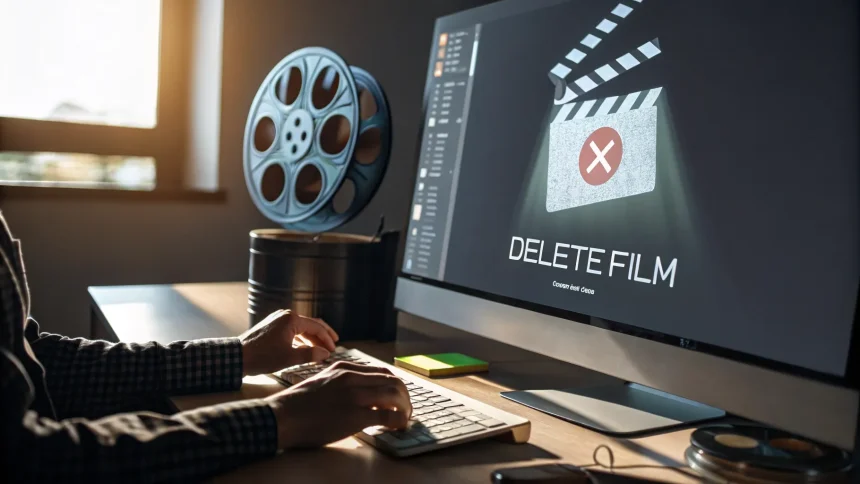
Universal moved quickly to remove a high-quality bootleg of one of its films after it surfaced on X, highlighting the growing challenge studios face as piracy adapts to social media platforms. The takedown points to the constant tug-of-war between rights holders and users who upload copyrighted work to public feeds.
The clip, described as a clean copy rather than a shaky theater recording, briefly circulated before it was pulled. X, the platform formerly known as Twitter, has long allowed rights holders to file copyright complaints. The incident shows how fast a leak can spread, and how hard it is to contain once it gains momentum.
“Film studio Universal takes down a high-quality bootleg version of the film, which appeared on X.”
Why This Matters
Studios rely on early box office windows and paid streaming releases to recover production costs. High-quality leaks can dent that rollout by giving viewers a free option. Unlike older piracy networks that required special software, a public platform can push infringing clips into casual feeds within minutes.
Anti-piracy teams now watch social media as closely as file-sharing sites. Their aim is to spot uploads, file takedown notices, and track re-uploads that often follow. Even short delays can matter. A leak that lives for a few hours can rack up thousands of shares and downloads.
How Takedowns Work On X
Under U.S. copyright law, platforms can remove copyrighted material after receiving a valid notice from a rights holder. X hosts a portal for such requests. If the notice meets legal standards, the content is taken down and the uploader can file a counter notice if they believe it was removed in error.
The system tries to balance two goals. It protects the rights of creators while giving users a way to dispute mistakes. But speed often decides impact. Rights holders push for rapid action. Users ask for clear explanations when content is removed.
Piracy’s Shift To Public Platforms
High-quality rips used to spread through private forums and invite-only groups. Now, short-form video tools and repost features make it simple to share long clips in parts. A film can be cut into segments and threaded. Even if one post is removed, mirrors appear elsewhere.
Past incidents on major platforms show a pattern. Full episodes or movies are posted, gain traction through algorithms, then are removed after notices arrive. Each cycle teaches uploaders new tricks and forces platforms to adjust their detection systems.
Industry Reaction And User Concerns
Studios argue that fast, firm action is needed to protect jobs and investment. Marketing campaigns, theater runs, and streaming releases are built on careful timing. A leak upsets that plan and can reduce revenue for everyone involved in a production.
Some digital rights advocates warn against heavy-handed removals. They point to fair use, such as criticism or education, that may rely on short clips. They push for tools that can target exact infringing posts without sweeping up lawful commentary.
- Studios want fast removals to limit spread.
- Platforms need clear, consistent rules.
- Users seek fair use protections and transparency.
What We Know And What To Watch
Universal’s action shows that social media remains a key piracy front. A clean copy suggests the source was closer to the production or distribution chain, not a casual theater record. That raises questions about internal security and the timing of digital releases.
Platforms continue to invest in tools that detect copyrighted media at upload. Hash-matching, audio fingerprints, and human review all play a role. None are perfect. Uploaders change aspect ratios, add borders, or tweak audio to avoid filters.
Studios are also adjusting release strategies. Some move faster from theaters to streaming to shorten the window when a leak can cause the most harm. Others watermark screeners and limit access to reduce risk before opening weekend.
Universal’s swift removal closes one incident, but the pattern remains. As films reach audiences across more apps and devices, enforcement will depend on quicker notices, smarter detection, and clearer rules for users. Viewers can expect platforms to tighten upload checks. Creators will keep pushing for faster takedowns. The key test ahead is whether these measures reduce leaks without sweeping up fair use, keeping both access and rights in balance.