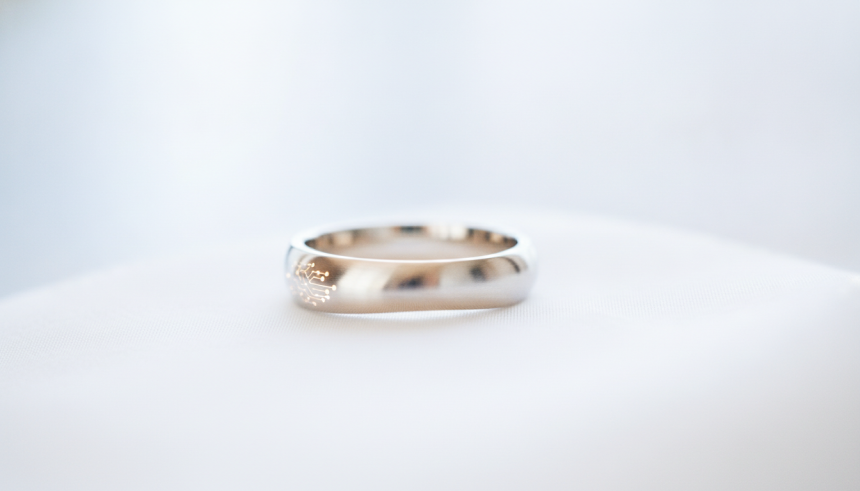
Oura announced a new generation of its smart ring, claiming it is the world’s smallest while trimming the design by 40% and setting a starting price of $399. The move signals a fresh push in the race to make wearables lighter, less visible, and more comfortable for daily use. The company framed the update as a major step for users who want health tracking without a bulky device.
What Oura Announced
In its launch messaging, Oura highlighted three points: a smaller body, a lighter profile, and a premium starting price. The company emphasized that the Ring 5 advances the core promise of the product, which is continuous health and sleep tracking in a discreet form.
Oura describes the new model as “the world’s smallest smart ring,” saying it is “40% smaller than its predecessor” and “starts at $399.”
While the company did not detail technical specifications in the announcement, the size claim positions the device for people who avoid wrist-based wearables or want a ring that feels closer to traditional jewelry.
Why Size Matters in Smart Rings
Comfort and wearability are often the difference between a gadget that gathers dust and one that people use every day. Rings must balance sensors, battery, and antennas in a narrow band of metal or ceramic. Smaller devices can reduce finger fatigue, improve sleep comfort, and lessen snagging during workouts or daily tasks.
Miniaturization also helps with discretion. Many buyers prefer health tracking that does not draw attention at a meeting, a formal event, or on camera. A ring that looks and feels closer to a standard band can widen the audience for sensor-based wearables.
Pressure From a Crowded Market
Smart rings have moved from niche to mainstream interest in recent years. Competitors now include large electronics brands and startups that focus solely on rings. The category promises core health readings—such as sleep patterns, activity, and readiness scores—without the screen of a smartwatch.
The entrance of new players has pushed companies to refine design and comfort as much as features. Many buyers already own a smartwatch or fitness tracker. A ring has to justify its place with long wear times, accurate data, and a shape that vanishes on the finger.
Price, Value, and the Trade-Offs
At a $399 starting point, the Ring 5 sits in premium territory for a device without a display. Buyers will judge the value on several fronts: comfort, battery life, data quality, and whether the app delivers insights they can act on. For people who dislike wrist wearables or want overnight data without bulk, a ring can be a strong fit.
- Price: $399 to start, placing it among high-end rings.
- Positioning: Comfort, size, and discretion over screens or apps on the wrist.
- Audience: Sleep-focused users, minimalists, and people who prefer jewelry-style devices.
Privacy, Data, and Trust
As with all health wearables, data privacy remains front of mind. Users want clear controls over what is collected, how it is processed, and who can access it. Companies in this space increasingly publish white papers, highlight encryption, and explain data-sharing policies. Any new flagship device will face questions about how it handles sensitive information and whether insights match medical guidance.
Experts also point out that wearables provide trends, not diagnoses. Users should consider how ring-based metrics compare with clinical tools and whether the device encourages healthier habits without adding stress.
What to Watch Next
The key questions for the Ring 5 are practical ones. Does the smaller form affect battery life or signal performance? Are readings as steady as earlier models? How comfortable is it during sleep and heavy workouts? Early user feedback and independent testing will shape the device’s reputation in the months ahead.
Oura’s bet is clear: a smaller ring will expand its reach and keep its current users engaged. If the comfort gains match the size claims, the Ring 5 could raise expectations across the category and push rivals to shrink their designs as well.
The launch sets up a tight year for smart rings. With more entrants and rising awareness, buyers will expect clearer science, stronger privacy, and better day-to-day comfort. For now, Oura’s message is simple: make the device smaller, keep it capable, and hope that more people will wear it longer.