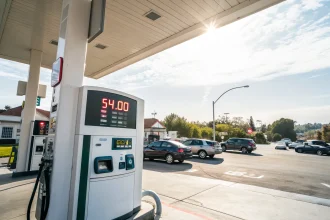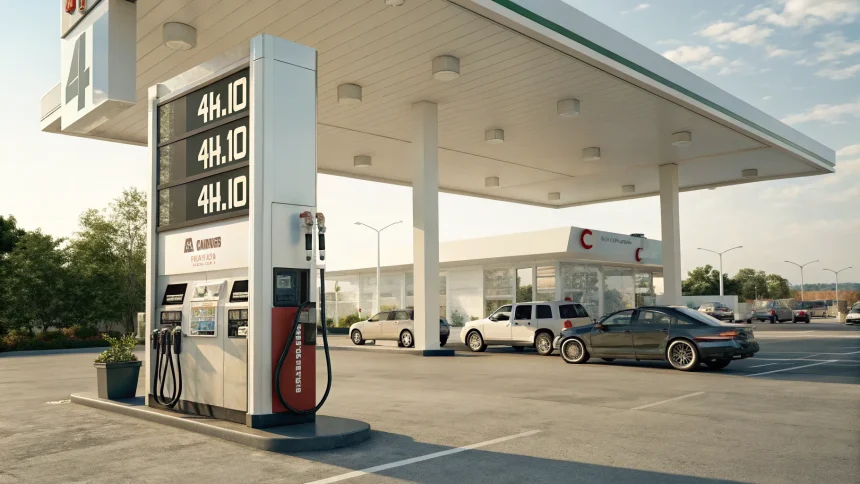
For the first time since tensions with Iran flared, average gas prices have reached $4 or more in every U.S. state, squeezing household budgets coast to coast. The national surge, reported this week, reflects tight global oil supplies, refinery constraints, and market anxiety tied to instability in the Middle East.
Drivers are now paying more for each fill-up, with the impact felt most by commuters, delivery workers, and families planning summer travel. The move past the $4 mark is a psychological threshold as well as a financial one, accelerating a trend that started earlier in the spring.
“Gas prices now average $4 or more in every state for the first time since the Iran conflict began. See how that’s hitting drivers’ wallets each month.”
What’s Pushing Prices Higher
Energy analysts point to three main forces. First, fears of supply disruptions following regional clashes have pushed crude oil prices higher. Second, seasonal shifts raise demand as Americans drive more in warmer months. Third, several refineries have been offline for maintenance or upgrades, limiting output during a busy period.
Historically, flare-ups involving Iran have triggered risk premiums in oil markets. Even when physical supply remains steady, traders often bid up futures on the chance of tighter flows through key shipping routes. That premium trickles down to the pump within days to weeks.
How Much More Households Are Paying
The jump above $4 changes the monthly math for millions of drivers. Using typical patterns, the added costs stack up quickly.
- Average miles driven per month: about 1,000–1,200
- Average vehicle fuel economy: roughly 25 miles per gallon
- Fuel used per month: 40–48 gallons
At $4 per gallon, a driver using 40–48 gallons spends $160–$192 each month on fuel. If gas was $3.50 just weeks ago, the same driver would have paid $140–$168. That is a $20–$24 increase per month for one vehicle. Households with two cars or longer commutes will see larger jumps.
Regional patterns still apply. The West Coast and Northeast often post the highest prices due to taxes and fuel standards. The Gulf Coast typically runs cheaper given nearby refineries. But with every state now averaging at least $4, even the “low” end feels high.
Industry Response And Consumer Choices
Refiners have signaled more capacity could return as maintenance cycles end, which may ease wholesale prices. Retailers, however, adjust more slowly on the way down than on the way up, especially when supply remains tight. Analysts also note that hurricane season poses a risk to Gulf Coast refining, which could keep prices volatile.
Consumers are making fast adjustments. Some are consolidating trips, using loyalty discounts, or shifting to carpools. Rideshare and delivery drivers report trimming non-peak hours to protect earnings. Summer travel plans are still on, but budgets are tighter, and many are picking shorter routes.
Broader Economic Impact
Higher fuel costs act like a tax on consumption. They can cool spending on dining, entertainment, and retail. For small businesses with vehicle fleets, margins shrink unless they add fuel surcharges. Airlines and logistics firms hedge some exposure, but not all of it.
Inflation gauges will likely reflect the rise if prices stay elevated through the month. That complicates the path for interest rates, which have been sensitive to energy costs. A sustained $4-plus average could revive the debate over releasing strategic reserves or adjusting seasonal fuel rules, though policy steps carry trade-offs.
What To Watch Next
Three signals will shape the next few weeks. First, crude oil trends tied to diplomatic moves in the Middle East. Second, refinery utilization rates as facilities return from maintenance. Third, demand as the driving season ramps up after Memorial Day.
Households can temper the hit by keeping tires inflated, avoiding rapid acceleration, and using route-planning apps to dodge traffic. None of that changes global oil math, but each step shaves a few dollars off the monthly bill.
With $4 gas now uniform across states, the question shifts from “if” to “how long.” If supply fears ease and refineries run hotter, prices could drift lower into late summer. If disruptions grow or storms strike key facilities, the pump pain lingers. For now, drivers are budgeting carefully and watching the price board like it’s the scoreboard.