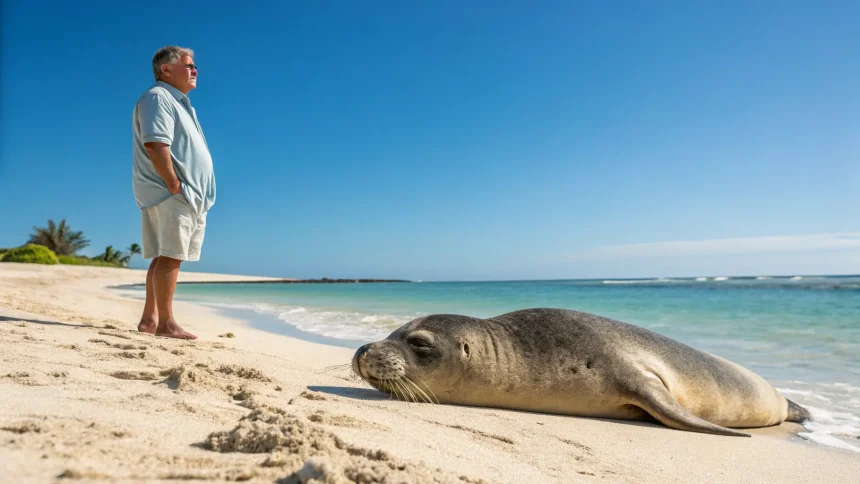
A Washington man accused of throwing a rock at a Hawaiian monk seal on Maui is fighting the allegation, with his attorney saying the act was not meant to harm. The incident has drawn sharp attention to wildlife protections in Hawaii and the stakes for a species that sits on the brink. Local officials and conservation groups are watching closely as the case moves forward.
Charges And Defense
The visitor, whose name was not released by authorities at the time of reporting, faces potential state and federal scrutiny because Hawaiian monk seals are protected by law. The defense has framed the incident as a misunderstanding.
Attorney for Washington man accused of throwing a rock at an endangered Hawaiian monk seal says his client never intended to injure the animal on Maui.
The legal team argues intent matters, and that the act did not rise to willful harm. Prosecutors will likely focus on whether the seal was harassed or injured and if the conduct meets legal thresholds for penalties.
Protected Species And The Law
Hawaiian monk seals are among the most threatened marine mammals in U.S. waters. They are protected under federal law, including the Marine Mammal Protection Act and the Endangered Species Act, as well as Hawaii state statutes. Harassment, feeding, and disturbing these animals can lead to fines and, in severe cases, jail time.
Officials stress that even approaching a resting seal can cause stress that affects survival. That is especially true for nursing mothers and pups during pupping season. Video evidence, witness accounts, or social media posts often shape these cases and can influence charges.
Community Reaction And Conservation Stakes
The case stirred concern across Maui, where residents and visitors often share crowded beaches with protected wildlife. Conservation advocates say public awareness has improved, but risky encounters still happen. Many point out that small actions can have outsized effects on a scarce population.
Local leaders urge calm and due process. They also highlight the need for clear visitor education. Signs on beaches and airport videos explain how to spot and avoid sensitive wildlife, but compliance varies.
- Stay at least 50 feet from monk seals on land.
- Give extra space to mothers with pups.
- Do not feed, chase, or touch marine wildlife.
- Report injured or distressed animals to authorities.
Wildlife responders say prevention is the best enforcement tool. Most visitors comply when they know the rules. Problems arise when crowds form, people get too close for photos, or someone misreads an animal’s behavior.
Evidence, Intent, And Legal Hurdles
Cases like this often turn on the quality of evidence and whether prosecutors can show intent or reckless disregard. A thrown object does not have to make contact to qualify as harassment if it disturbs the animal. Defense attorneys usually push back by stressing lack of intent, cooperation with authorities, and absence of injury.
Courts also weigh public interest. Hawaii has a strong record of enforcing wildlife rules, especially when incidents occur on busy beaches. Judges have signaled that ignorance is not a shield, though first-time offenders sometimes receive lighter penalties if they accept responsibility.
Why The Species Matters
Monk seals are native to Hawaii and spend much of their time resting on shores, which makes them visible and vulnerable. After years of decline, the population has seen modest gains with rescue programs, habitat protections, and community outreach. Each adult matters to breeding and long-term recovery.
Scientists warn that human disturbance can undo progress. Entanglement, disease, and food shortages remain threats. Add repeated harassment, and daily stress can reduce survival odds, especially for young seals.
What Comes Next
Authorities are reviewing the incident and gathering statements. If charges proceed, the case will test where the line sits between careless behavior and criminal conduct. The defense will try to show that the act, while unwise, lacked harmful intent. Wildlife officials will point to strict rules designed to keep people and animals safe.
For visitors, the takeaway is simple. Give wildlife space, read posted signs, and ask when unsure. For Maui, the episode is another reminder that protection laws carry real teeth. The court’s next steps will signal how seriously the state continues to treat monk seal safety.