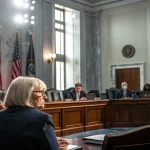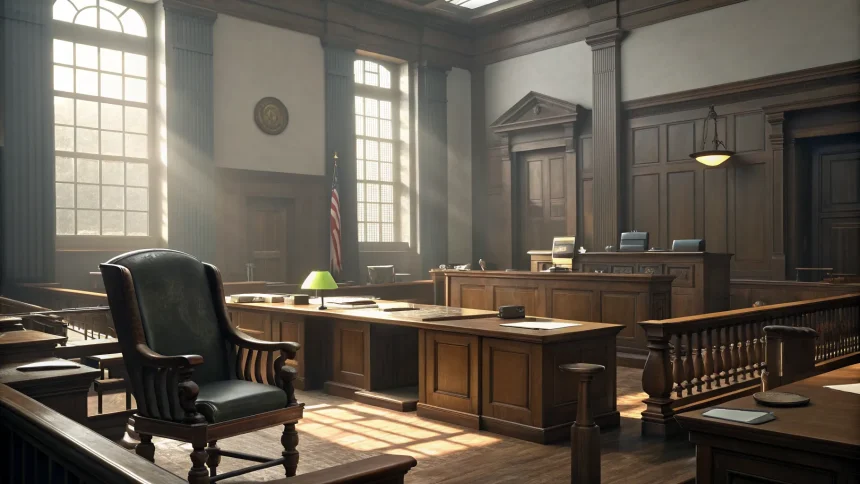
The murder trial of D4vd, born David Anthony Burke, was pushed back again on Tuesday, extending an already slow march to a verdict and keeping both legal teams digging through stacks of evidence. The postponement, made in court on Tuesday, means more waiting for the defendant, the families involved, and a public eager for answers. The delay centers on the sheer volume of material that prosecutors and the defense say they still need to review.
“D4vd, real name David Anthony Burke, sat stone-faced on Tuesday as his murder trial was once again delayed so that both sides can continue sifting through mounds of evidence.”
Trial delays are common in complex cases. When evidence piles up, schedules stretch, and tempers can follow. Tuesday’s reset highlights a question that hangs over many high-profile cases: how to balance a defendant’s right to a speedy trial with the duty to examine every piece of evidence.
Why the Case Was Pushed Back
Both sides say they are still sorting through extensive material. That can include digital records, forensic reports, and witness statements. Even small items need careful review. One overlooked file can change strategy. One lab test can shift a timeline. The court allowed more time to avoid mistakes that could trigger appeals later.
In practice, that means lawyers read and re-read. Investigators verify leads. Analysts compare timelines. It is slow, but it is how serious cases are built. Judges tend to allow these extensions when the record is large and complex.
Inside the Courtroom Mood
The defendant’s posture said plenty. He “sat stone-faced,” a portrait of restraint in a process he cannot control. For defendants, each delay is another week—or month—in limbo. For families waiting for answers, each delay can feel like a step backward. For the court, it is a trade-off: speed versus certainty.
Legal Stakes and Strategy
Extra time can benefit both sides. The prosecution can use it to firm up witness lists and clean up any weak spots. The defense can scour the record for inconsistencies or missing disclosures. If new material surfaces, fresh motions can follow. Those filings can reshape what a jury hears and when it hears it.
Delays also affect plea talks. With more time, lawyers reassess risk. They weigh the strength of the evidence and the odds at trial. While no deal is hinted at here, the calendar often shapes negotiations behind the scenes.
What Delays Mean for Justice
There is a reason courts allow breathing room in serious cases. Rushed trials invite errors. Errors trigger appeals. Appeals prolong the case even more. Thorough review up front can save years later. Still, there is a cost. Witness memories fade. Scheduling gets harder. Public confidence can slip when a case appears stuck.
What Comes Next
The court will likely set new deadlines for both sides to finish reviewing the record. Expect updates on:
- Whether all evidence has been exchanged and logged
- Any new motions that could limit or expand what the jury hears
- Expert reports, especially on forensics or digital data
- A revised trial start date, once the review is complete
The Bigger Picture
This case reflects a broader reality in major trials. Digital evidence is growing. Phones, cameras, and cloud accounts multiply the files that lawyers must read. Courts are adapting, but the workload is heavy. Patience is not just a virtue here. It is part of due process.
Tuesday’s delay may frustrate observers. Yet it also signals that the court wants a clean record and a fair trial. That approach protects any verdict from future challenges. It is not fast, but it is how the system is built to work when the stakes are highest.
For now, the headline is simple: another delay, more review, and a defendant who keeps his composure while the clock ticks. The next key date will test whether the logjam is breaking. Watch for signs that the evidence review is finished and the jury selection countdown can finally begin.