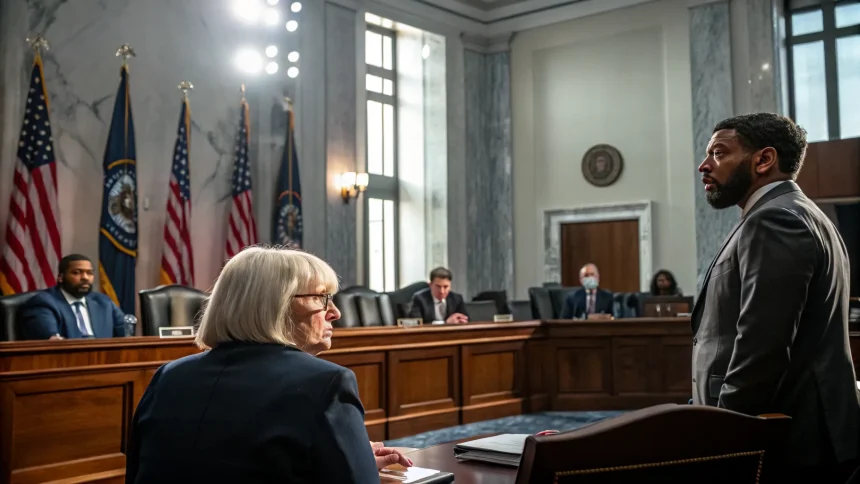
Sen. Patty Murray pressed Kash Patel during a tense Senate hearing, challenging his handling of federal resources and the treatment of journalists who reported critically on him. The exchange, held on Capitol Hill this week, centered on allegations that Patel redirected law enforcement officers away from other cases to scrutinize reporters. The dispute raised fresh questions about press freedom and the limits of federal power.
The Allegations at the Hearing
Murray, a Democrat from Washington, confronted Patel over claims that law enforcement teams were reassigned to look into members of the press. She said the move could chill reporting and skew investigations that require consistent staffing and independence. Patel denied wrongdoing and defended the bureau’s discretion to assign agents based on risk and legal standards, according to people familiar with the exchange.
At the hearing, the senator challenged Patel over whether he “redirected law enforcement officers from other investigations to focus on journalists who published negative coverage of him,” and raised concerns about “potential misuse of federal resources and the independence of ongoing investigations.”
The clash focused on whether decisions inside the bureau were influenced by personal criticism, rather than legitimate investigative needs. Lawmakers from both parties have long warned that inquiries targeting reporters must clear a high bar to protect the First Amendment.
Background: Press Protections and Federal Rules
U.S. law protects newsgathering, though it does not shield criminal conduct. The Justice Department has policies that sharply limit efforts to obtain reporters’ records or force testimony. In 2021, after public outcry over past secret seizures of journalists’ phone and email records, the department tightened its rules. It barred compulsory process to reporters in leak cases, with narrow exceptions such as imminent threats or situations involving foreign agents.
The FBI follows those department policies during investigations. When agents consider steps that might affect journalists, approvals must often come from senior officials. Any deviation can raise alarms in Congress about political pressure or retaliation against the press.
Key Questions Lawmakers Want Answered
- Were agents reassigned due to personal criticism, or for valid security or criminal leads?
- Did the bureau follow Justice Department rules on press-related inquiries?
- Were ongoing cases harmed when personnel were moved?
- What oversight was in place to review these decisions in real time?
Implications for Ongoing Cases
Staffing changes can slow complex cases, from public corruption to violent crime. If senior leaders direct teams toward sensitive press-related work without clear cause, it can jeopardize both the new matter and the cases left behind. Former prosecutors say even short-term reassignments may delay witness interviews, evidence review, or court deadlines.
Investigations that involve journalists must also avoid sweeping up protected activity. Overreach could prompt courts to throw out evidence or rebuke the government. That risk is why agencies document necessity, narrow their focus, and seek specialized approvals before taking steps that could affect reporting.
Political and Public Response
Civil liberties groups often warn that scrutiny of reporters can silence sources and reduce accountability. Press advocates argue that inquiries tied to personal criticism are especially troubling. They call for clear audits, public reporting on press-related requests, and strict internal checks.
On Capitol Hill, members have proposed stronger reporting requirements when federal agents seek records that may touch on journalism. Some also back independent reviews of sensitive reassignments, aiming to prevent real or perceived retaliation.
What Comes Next
The Senate is expected to seek documents on staffing decisions, approvals, and timelines. Lawmakers may also request an inspector general review to verify whether policies were followed. If gaps are found, Congress could push new statutory limits on press-related inquiries or mandate higher approval thresholds.
The bureau faces pressure to show that any resource shifts were justified by threats or clear legal grounds, not by unfavorable coverage. Clear disclosures, documented approvals, and third-party oversight could help rebuild trust.
The hearing placed a spotlight on how federal power intersects with press freedom. The central issue is narrow but weighty: whether decisions inside a powerful agency were guided by personal interest or public safety. The outcome will signal how aggressively Congress will guard newsroom independence and how the bureau will handle sensitive cases ahead. Watch for document releases, possible inspector general action, and any policy changes that set firmer guardrails for future investigations.