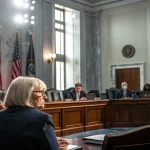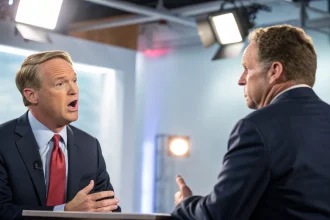
A multi-billion dollar budget shortfall has put pressure on local leaders, with Mamdani looking to Albany for support to help close the gap. The search for solutions is underway as budget deadlines loom and the stakes for services, jobs, and stability rise.
The challenge is clear: who pays, what gets trimmed, and how fast the fix arrives. The plan, still forming, hinges on state partnership, new revenue, and targeted cuts that avoid deep harm to residents.
What’s Driving the Shortfall
Budget gaps of this size rarely come from a single cause. Costs have climbed for staffing, health care, shelters, infrastructure, and debt service. Revenue has softened as markets wobble and pandemic-era growth fades. One bad quarter does not break a budget, but several can.
Local governments are also still absorbing the end of federal relief, which had propped up services and masked structural holes. That money was never meant to last forever. The bill has arrived.
Mamdani’s Pitch to Albany
“Here’s all you need to know about plans to close the multi-billion budget gap as Mamdani relies on Albany for help.”
The message is blunt: state backing could stabilize the year and limit cuts. Mamdani is pressing for targeted aid and policy changes that free up local dollars. That could include more flexible funding for social services, transit, and housing, as well as one-time infusions to bridge the year.
Supporters argue state dollars would prevent short-term fixes that cause long-term pain. They warn that deep cuts would ripple through schools, transit, and public safety. “Cutting now only shifts costs to later,” one advocate said during the discussion.
What Could Be on the Table
Budget planners are weighing options often used in fiscal crunches. None are easy, and most require trade-offs.
- Targeted spending freezes and vacancy controls.
- New or higher fees on luxury goods, real estate, or tourism.
- Closing tax loopholes and tightening abatements.
- Debt refinancing to smooth near-term costs.
- Direct state aid tied to reform benchmarks.
Business groups warn that new taxes could chill investment. Labor groups urge leaders to protect frontline jobs and services. Budget watchdogs push for structural fixes, not patches that fade by next year.
History Offers a Playbook
New York governments have navigated gaps before using mixed strategies. During past downturns, leaders paired state assistance with local trims and selective revenue moves. The plans that worked best were honest about timelines and limits. The ones that stumbled relied on rosy forecasts and stopgaps.
Analysts caution that timing matters. Acting early reduces the size of any single measure. Waiting raises the risk of sharper cuts later in the year if revenues fall short again.
What Success Would Look Like
A durable plan would protect core services, preserve credit ratings, and avoid sudden tax shocks. It would set targets for savings and revenue with public updates. It would also include triggers to ease cuts if revenues rebound or to tighten belts if conditions worsen.
Transparency is key. Clear reporting on spending trends, hiring, and program outcomes can build trust with residents and markets. It can also show Albany that local leaders are serious partners, not just petitioners.
Outlook and Risks
The path forward depends on how much Albany is willing to do and how quickly local leaders can act. If state aid arrives with strings, officials will need to show progress fast. If it does not, deeper local measures will move to the front of the line.
For now, the clock is ticking. A credible plan in the next few weeks could steady nerves and limit damage. Delay would raise costs, both fiscal and political.
Bottom line: the gap is large, but solvable with a balanced mix of aid, reforms, and restraint. Watch for signals from Albany, updated revenue forecasts, and which programs get shielded first. Those choices will reveal the true shape of the deal—and who will carry the weight.