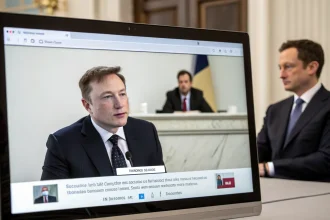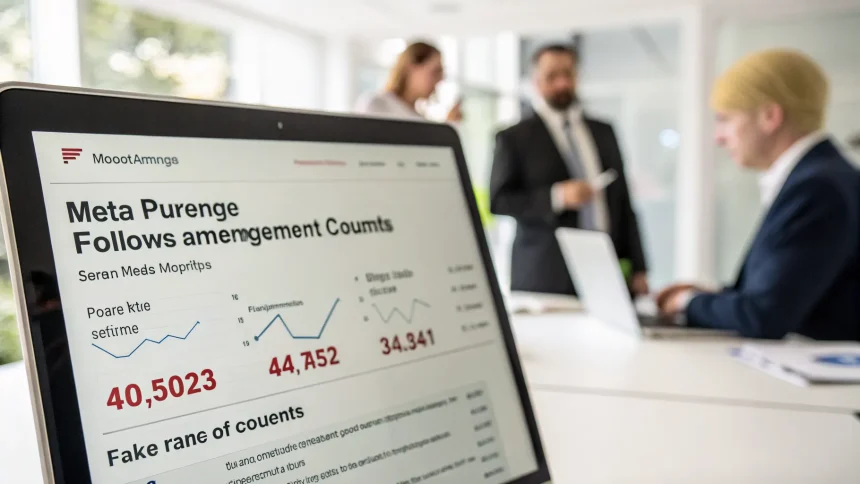
Meta has stepped up efforts to remove bots and fake accounts, triggering visible drops in follower counts across Instagram and Facebook and raising fresh questions about transparency and legal risk. The latest enforcement sweep, discussed by industry commentator Seth Schachner, comes as regulators and advertisers demand cleaner metrics and better disclosure on how platforms police inauthentic activity.
The company has run periodic purges for years, but a renewed push signals stronger pressure ahead of major elections and a tough ad market. Creators, brands, and public figures are now confronting sudden changes in their audience totals, while watchdogs look for proof that the company is sharing enough detail on what gets taken down and why.
Background On Bot Crackdowns
Meta has long battled fake accounts used to inflate reach, boost engagement, or spread spam and misinformation. Past enforcement reports have shown large volumes of removals, often in the millions each quarter. These takedowns aim to protect ad buyers from inflated metrics and shield users from coordinated manipulation.
Historically, large purges have come in waves, sometimes linked to elections, major product updates, or policy changes. The company has invested in detection tools and manual review, but creators and businesses often feel the effects later when follower totals drop without much warning.
Impact On Creators And Brands
The most visible impact is on follower counts. Influencers and public figures have reported dips that can affect rate cards and brand deals. A smaller audience can also change how algorithms rank content, which may lower reach and engagement in the short term.
For advertisers, the purge is a mixed signal. Lower counts can unsettle campaign plans, yet cleaner audiences improve targeting and reduce wasted spend. Agencies often prefer verified, active users over inflated totals that mask weak performance.
Schachner noted that follower volatility can erode trust if platforms fail to explain the changes. Clearer labels on removed accounts, reasons for action, and expected timing could help creators plan. Simple dashboards that separate suspected fake followers from confirmed fans would also add clarity.
Transparency, Data, And Legal Pressures
Greater scrutiny is coming from regulators in the European Union under the Digital Services Act, which requires detailed disclosures about content moderation, systemic risks, and enforcement processes. In the United States, consumer protection rules and securities laws can come into play if reported user metrics mislead investors or buyers.
Legal experts say two questions matter: what Meta knew about fake activity and whether it shared enough with users, advertisers, and regulators. If purges reveal long-standing inflation of metrics, class-action claims or regulatory inquiries could follow. But strong, timely disclosures can reduce that risk.
Transparency reports remain a key tool. Granular figures by region, account type, and enforcement reason help outside analysts judge progress. Independent audits could strengthen confidence, especially for large advertisers that rely on accurate audience counts.
What The Crackdown Means For The Industry
Platforms beyond Meta will face similar pressure. Bots and fake accounts distort the economics of sponsorships and performance marketing across social media. Cleaner followings can reset pricing for creator partnerships and expose where engagement was inflated.
Short-term pain is likely. Some creators will need to reprice deals and rebuild credibility with verified audiences. Over time, smaller but more active communities often produce better conversion rates. Agencies may shift from follower totals to engagement quality, conversion, and repeat interactions as core metrics.
What To Watch Next
- Frequency and size of future purges, especially near elections.
- Updates to transparency reports, including regional and category detail.
- Appeal processes for accounts flagged as fake by mistake.
- Ad industry adoption of quality metrics over raw follower counts.
- Any regulatory actions in the EU or US tied to disclosure duties.
Schachner framed the moment as a stress test for platform trust. Users want authentic interactions, advertisers want clean reach, and regulators want proof that enforcement works. The next phase will hinge on steady reporting, better tools for creators to audit their audiences, and clear timelines for enforcement. If Meta can deliver that, the short-term disruption may give way to a healthier market where fewer fake accounts mean more reliable results for everyone.