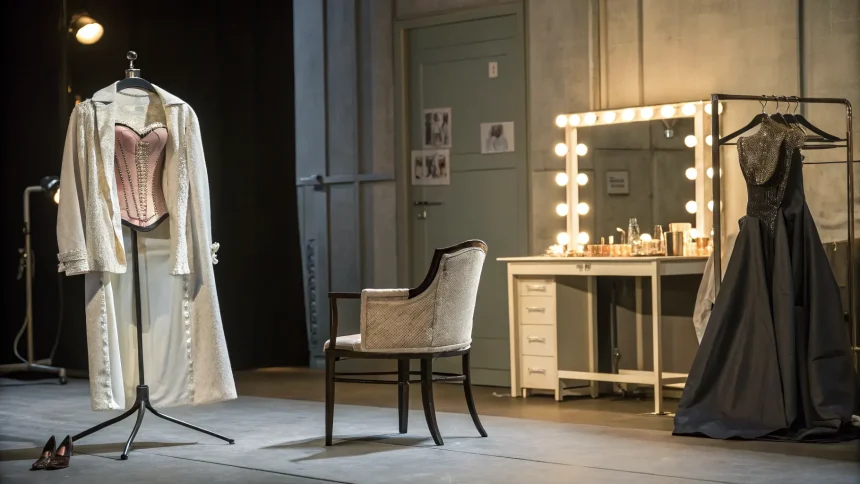
Pop icon Madonna has appealed for the return of several wardrobe pieces she wore on Friday, after the items went missing following a performance. The missing pieces include a jacket, a corset, and a dress. Her team urged anyone with information to come forward as they review how the items left secured custody.
The Like A Virgin singer has appealed for the return of the pieces she wore on Friday, including a jacket, corset and dress.
The request points to a rising problem for touring artists. Stage outfits are not only essential to a show. They carry artistic, historical, and financial value. Their sudden disappearance can disrupt rehearsals, delay wardrobe planning, and affect the next performance.
Why Stage Wardrobe Matters
Costumes are central to Madonna’s live shows, which blend choreography, set design, and narrative. Each piece is fitted, cataloged, and timed for quick changes. Losing a custom jacket, corset, or dress can force last-minute adjustments. It also triggers insurance reviews and security checks during a tour schedule that leaves little room for error.
Music historians say such items often gain value over time. Pieces tied to famous songs or tours can fetch high prices at auction, especially when authenticated. That demand creates a gray market for memorabilia, where provenance can be murky and recovery efforts are hard.
Security and Recovery Steps
Tour crews usually track costumes with barcodes or tags and lock them between sets. When items go missing, teams audit wardrobe trunks, interview staff, and check surveillance footage. If a loss appears intentional, they file a police report and alert local resellers and auction houses.
- Inventory checks confirm which items are missing.
- Security footage helps trace handling after the show.
- Alerts go to venues, consignment shops, and online marketplaces.
Industry veterans say recoveries often rely on quick public appeals. The faster a call goes out, the harder it is to move hot items. In some cases, anonymous returns resolve the issue without charges, especially when the priority is getting art back intact.
Past Cases Offer Perspective
Entertainment has a history of high-profile costume losses. The ruby slippers worn by Judy Garland in The Wizard of Oz were stolen in 2005 and recovered in 2018 after a long investigation. Michael Jackson memorabilia has surfaced years after tours ended, sometimes with disputes over ownership and sale rights. These examples show that recovery can take time, but persistence and clear documentation make a difference.
Collectors seeking celebrity fashion can push prices high enough to tempt theft. But that same market responds to authenticity. Outfits tied to specific dates and looks are widely photographed. Publicity around a loss can make resale risky, reducing the incentive to hold onto the items.
Balancing Fans, Access, and Security
Artists also weigh security with fan access. Meet-and-greets, backstage tours, and crowded quick-change areas leave narrow margins. Wardrobe teams often manage dozens of pieces per show. Extra locks, escorts, and tracking tools can help, but they add costs and time in a moving production.
For Madonna, the missing jacket, corset, and dress are part of a performance identity built over decades. From early breakthrough hits to recent tours, her clothes have marked creative shifts that fans recognize on sight. Returning them matters for continuity and legacy as much as for the next show.
The immediate focus is simple: get the items back safely. Public appeals suggest an opening for a quiet resolution. Fans and resellers are being asked to watch for offers that match the description and report anything suspicious.
If the pieces are found soon, the tour can move forward with minimal disruption. If not, insurance and replacements will follow, but the loss will linger. The broader lesson for live music is clear. Costume security is now a front-line concern, and quick action—plus public eyes—can make the difference between a setback and a solved case.