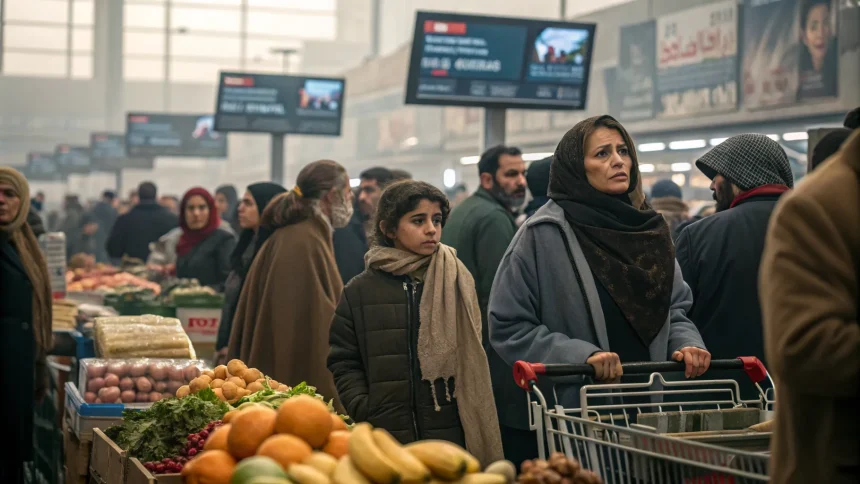
Fresh turmoil in the Middle East is rippling through global markets, raising the price of petrol, household energy, and groceries. The pressure is landing on families already stretched by inflation, and policymakers now face a harder task keeping prices in check.
The shock is moving through oil and gas supply routes and insurance costs for shipping, hitting fuel first and then everything that depends on it. Retailers and energy suppliers say they are watching costs climb, while consumers brace for higher bills as peak travel and summer cooling seasons approach.
Energy Markets Under Strain
The conflict in the Middle East has increased pressure on the cost of petrol, household energy bills and even food.
Oil traders tend to price in risk quickly when conflict threatens pipelines, export terminals, or shipping lanes. Even when flows continue, higher war-risk insurance and rerouted tankers push up delivered costs. Refiners pass those costs through to fuel pumps, sometimes within days.
Gas markets move in step. Europe and parts of Asia rely on liquefied natural gas cargoes that often transit the same choke points as oil. If vessels divert around risky waters, voyage times and freight rates rise, lifting wholesale prices that feed into winter heating tariffs and power bills later in the year.
How Higher Fuel Hits Households
Fuel is baked into daily life. When petrol prices rise, commuting, parcel delivery, and local services cost more. Power producers that still burn gas face steeper input costs, which can reach consumers unless long-term contracts or price caps soften the blow.
Economists warn of a “second-round” effect if transport firms and utilities raise prices and those increases stick. Central banks track these pass-through pressures closely because they can lift inflation expectations and prolong rate pain for borrowers.
Food Prices: Costs From Farm To Fork
Food inflation often follows energy shocks with a lag. Farms rely on diesel for machinery and on fertilizers made using natural gas. Processors pay more for heat and electricity. Supermarkets face higher logistics costs to move goods from warehouses to shelves.
- Fertilizer costs move with natural gas, affecting crop yields and prices.
- Refrigerated transport pays more when diesel rises, lifting dairy and meat costs.
- Baked goods and packaged foods absorb higher baking and packaging energy costs.
Some retailers may delay price increases or shrink promotions, but margins only stretch so far before sticker prices change. Shoppers could see smaller pack sizes or fewer discounts before outright hikes appear.
Policy Choices And Industry Responses
Governments have limited but important tools. Fuel tax adjustments, targeted energy bill support, or releasing strategic stocks can ease short-term pain. Longer term, improving grid reliability, expanding storage, and diversifying import routes make economies less vulnerable to shocks.
Energy suppliers often hedge fuel costs months ahead, which can slow the pass-through to households. But if conflict risk persists, new contracts are written at higher prices. That means today’s tensions can turn into next season’s bills.
What To Watch Next
Analysts point to a few signals that will shape the outlook. Shipping conditions through key waterways will determine freight surcharges. Refinery margins and maintenance schedules will influence petrol prices as driving season approaches. For gas and power, storage levels going into autumn will set the stage for winter bills.
Food producers will decide in the coming weeks how much of their higher costs to absorb and how much to pass on. Wage agreements in transport and logistics could add fuel to the fire if companies seek to offset rising expenses.
The takeaway is simple, if not cheerful: the conflict’s shock is already filtering through energy and food supply chains. If tensions ease and routes stay open, prices could settle. If risks spread or drag on, households should expect a longer haul. For now, families can shop around for fixed-rate energy deals, plan travel fuel costs, and look for supermarket loyalty discounts. Policymakers will be judged on how they temper the surge without snuffing out a fragile recovery.