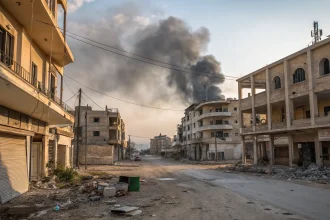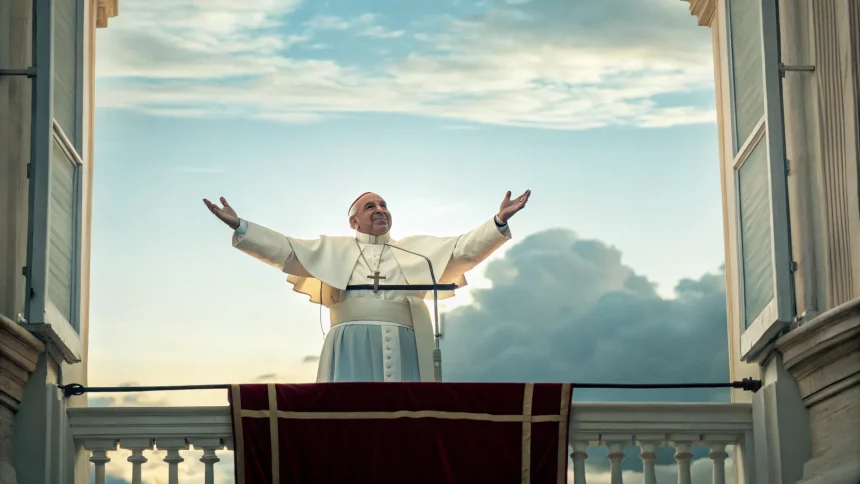
The Pope issued a stark warning against the planners of conflict, saying those who wage war ignore how fast destruction happens and how slow recovery can be. In public remarks, the pontiff criticized the “masters of war” and highlighted the long shadow violence casts on families, cities, and the global economy. His message adds urgency to appeals for restraint and renewed diplomacy as fighting and humanitarian crises persist in several regions.
A Message Framed by Hard Lessons
The pontiff’s words draw from a long record of appeals for peace. He has repeatedly urged cease-fires and humanitarian access in conflicts from Ukraine to the Middle East. His focus has often been on the human costs of bombardment, forced displacement, and the trauma that follows.
Global data support the warning. The United Nations reports that more than 100 million people have been forced from their homes due to war, persecution, or disaster. Aid groups note that once hospitals, power grids, and schools are damaged, the path back to normal life is slow and uneven.
“The masters of war pretend not to know that it takes only a moment to destroy, yet often a lifetime is not enough to rebuild,” the pontiff said.
Why the Words Resonate Now
Reconstruction is not only about bricks and roads. It includes restoring trust in institutions and mental health support for victims. Economists describe a cycle in which war drives poverty, which then fuels more instability. Recovery costs can run into the hundreds of billions for major conflicts, according to World Bank assessments, and often depend on fragile political agreements.
Humanitarian workers say time is the decisive factor. Homes can fall in seconds, but rebuilding a functioning school system or hospital network can take years. For children who miss out on education, the setback can shape an entire generation.
Competing Viewpoints and Security Concerns
Supporters of a harder line on defense argue that deterrence prevents larger wars. They say strong militaries and alliances have kept many regions stable for decades. Security analysts also note that negotiations can fail without leverage.
Peace advocates counter that military escalation often expands the harm and raises the cost of repair. They point to cities that have required decades to recover from past conflicts. Church leaders and aid organizations back diplomatic channels, sanctions that target leaders and arms dealers, and strict protection of civilians.
Policy experts say both tracks matter. They call for clear limits on weapons that cause mass harm, stronger rules on civilian protection, and credible peace plans that include justice for victims. Without those elements, they warn, cease-fires may collapse and rebuilding efforts stall.
Evidence From Recent Crises
Case studies from the past two decades show a pattern. When cease-fires are paired with stable governance and funding, services return faster. Where corruption or renewed fighting persists, bridges and clinics remain empty shells.
- Rapid repairs reduce displacement and help families return safely.
- Transparent aid and local oversight boost trust and cut waste.
- Accountability for abuses reduces the chance of renewed violence.
Urban planners add that resilient design—such as rebuilding clinics and schools to higher safety standards—can cut future losses. But these projects need time, trained workers, and secure access.
Faith, Morality, and Practical Policy
The Pope’s appeal is moral, but it aligns with practical advice from aid agencies and economists. It warns leaders to weigh the true cost of war, not just in budgets, but in lost years. It also challenges governments to fund mental health care and education early, not after physical repairs are done.
Diplomats say this framing could help rally support for humanitarian pauses and monitored corridors. It may also add pressure to curb the trade in arms that fuel local conflicts.
The latest remarks sharpen a familiar message: destruction is fast; rebuilding is slow. As wars grind on, the choice for leaders is clear. Invest in talks, protect civilians, and plan for recovery from day one. The world should watch for concrete steps—expanded aid access, credible peace proposals, and safeguards for schools and hospitals—that turn words into results.