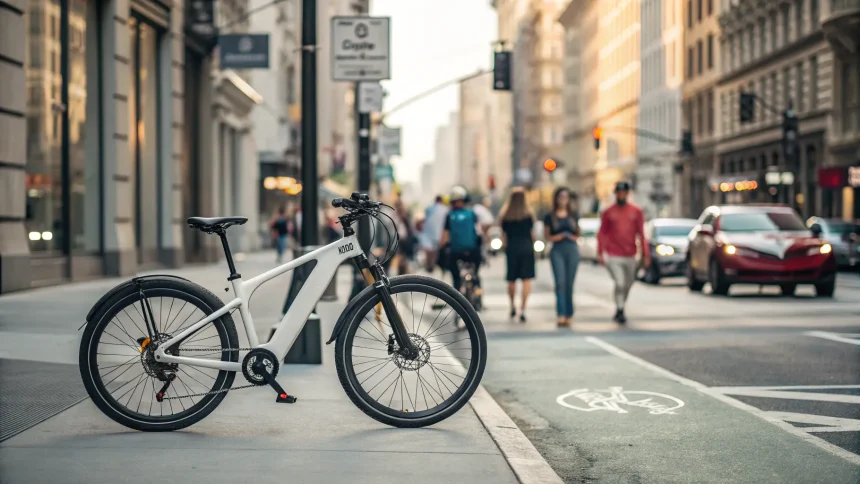
As electric bicycles spread from city streets to suburban trails, a simple tradeoff is coming into focus: cleaner commutes and cheaper trips weighed against new safety risks. In recent months, city officials, fire departments, and rider groups have stepped up warnings while sales continue to climb. The question now is how to keep the gains without adding harm.
“E-bikes offer a convenient, eco-friendly and cost-effective alternative to cars, but their increasing use is drawing safety concerns.”
That tension is shaping local rules, fire codes, and helmet debates from New York to California. It is also prompting fresh scrutiny of batteries and charging gear, along with calls for clearer speed and path rules.
Why E-Bikes Took Off
E-bikes promise faster trips with less effort than traditional bikes. They help riders climb hills, carry groceries, and avoid traffic jams. For delivery workers, they cut travel time and expand routes. For commuters, they lower parking costs and emissions.
Pandemic-era transit slowdowns and high gas prices helped fuel adoption. Many cities built new bike lanes, making rides feel safer and quicker. The appeal is strongest for short trips that often clog roads. That shift can cut noise and tailpipe pollution.
Safety Concerns Grow
With more e-bikes on the road, crashes and fire hazards are getting more attention. Hospital data show injuries from micromobility devices, including e-bikes, have risen in recent years. Emergency rooms report more collisions at intersections, especially where bikes and cars mix.
Battery fires are a rising fear. Fire departments in large cities have logged more incidents linked to lithium-ion packs used in e-bikes and scooters. Faulty or damaged batteries and cheap chargers are common factors. Charging in cramped apartments adds danger.
Speed control is another flashpoint. Class 1 and 2 e-bikes assist up to about 20 mph, while some Class 3 models reach about 28 mph with pedal assist. Mixed-use paths often include walkers, children, and pets. That mismatch can raise the odds of a serious crash.
Rules, Standards, and Enforcement
Cities and states are updating rules to match the surge. Many now classify e-bikes by top assisted speed and throttle use. Some trails allow only certain classes. Others set speed limits or post slow zones near schools and parks.
Fire officials urge buyers to choose certified batteries and chargers. Some cities have barred the sale of uncertified charging gear and cracked down on unsafe repair shops. Building owners are also revising policies for indoor storage and charging, especially in multi-unit housing.
Helmets remain a patchwork. Some places require them for younger riders or for faster Class 3 bikes. Safety trainers also push for lights, reflective gear, and regular brake checks. Delivery fleets are testing training modules and scheduled maintenance to cut risk.
Industry Response and Technology Fixes
Manufacturers say better design can reduce hazards. They point to sturdier packs with battery management systems that prevent overcharging and overheating. Some companies offer swappable batteries and lockable charging docks to limit home charging.
Insurance carriers are tracking claims and may shape behavior with premium discounts for certified gear. Retailers and rental firms are expanding checklists before each ride. Software updates now limit speed in certain zones or when batteries run hot.
Balancing Access and Safety
Equity is part of the debate. Lower-cost models help more people ride, but bargain batteries can be risky. Delivery workers often cannot afford high-end equipment. Advocates want subsidy programs that include safe chargers and training, not just the bike.
Street design matters too. Protected lanes, clear signs, and visible intersections lower crash risk for everyone. Data suggest that separation from traffic and predictable rules cut severe injuries for both riders and drivers.
What Riders Can Do Now
- Buy certified e-bikes, batteries, and chargers from reputable sellers.
- Charge on hard surfaces, away from exits, and never overnight.
- Wear a helmet and use front and rear lights at all times.
- Maintain brakes and tires; replace damaged batteries and cords.
- Match speed to conditions, and yield on shared paths.
The rise of e-bikes is reshaping short trips and delivery work. The benefits are real: faster rides, fewer car miles, and quieter streets. So are the risks if batteries fail or speeds exceed conditions. Clear rules, certified equipment, and better street design can narrow that gap. Watch for tougher battery standards, more targeted enforcement, and new tech that limits speed and heat. The goal is simple: keep the promise of e-bikes while cutting the harm that can come with it.