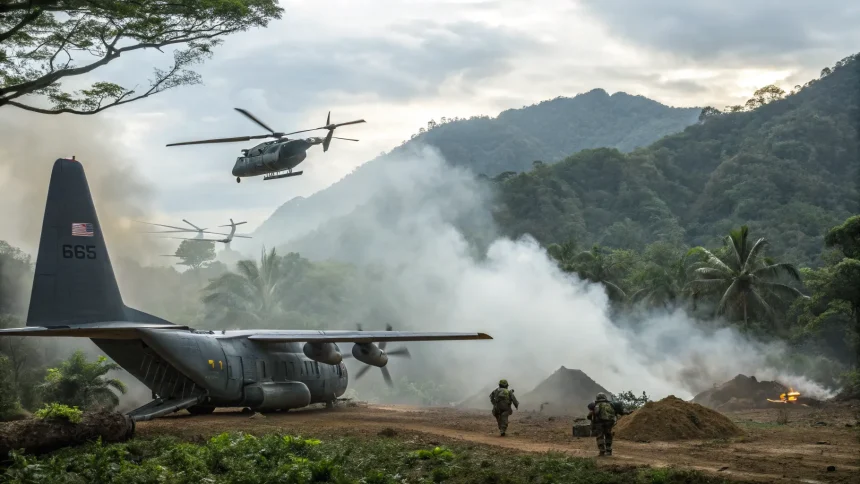
A military transport plane carrying 110 soldiers has been involved in an incident in Colombia, according to early reports from local media. Authorities have not released details on the cause, the location, or the condition of those on board. The military is expected to issue a formal statement as emergency teams work to verify what happened and where.
The event raises urgent questions about safety procedures and the readiness of rescue services across difficult terrain. Colombia’s armed forces regularly use transport aircraft to move troops and supplies between remote bases. These missions often cross mountains, dense forests, and regions with limited air traffic control coverage.
What Is Known So Far
Initial reporting describes the event as an “accident”, with the aircraft carrying 110 soldiers. No additional facts have been confirmed by the government or the air force at the time of publication.
Local media described the event as an “accident.”
Information on the aircraft type, flight plan, weather conditions, and the status of the crew remains unclear. The number of personnel on board indicates a scheduled troop movement rather than a small transfer.
Geography and Risk Factors
Military air operations in Colombia face unique challenges. High-altitude routes over the Andes, rapidly shifting weather, and dense cloud cover can complicate navigation. Many bases are far from major urban centers, extending response times if an emergency occurs.
Transport missions often include a mix of professional soldiers and support personnel. Loads can include equipment, medical supplies, or humanitarian cargo. Large troop movements are typically planned to reduce the number of flights and align with training or deployment cycles.
Emergency Response and Investigation Steps
When an aviation incident is reported, the military activates search and rescue protocols. Coordination usually involves the air force, civil aviation authorities, and local responders. Satellite tracking, radar records, and last radio contact help pinpoint the site.
Once secured, investigators examine several factors:
- Flight path and last known position
- Weather reports and pilot briefings
- Aircraft maintenance logs and recent inspections
- Crew training, rest schedules, and load planning
If a flight data recorder or cockpit voice recorder is installed, it becomes central to the inquiry. Witness accounts from nearby communities can also guide the search.
Why These Flights Carry So Many People
Moving large groups by air can be faster and safer than road convoys in areas with rough terrain or security concerns. It also helps units arrive together, maintaining command structure and timing. Aircraft are configured with seating, cargo restraints, and emergency equipment, and crews receive training in load balance and evacuation procedures.
Despite these measures, the concentration of personnel on one aircraft increases the stakes of any incident. That is why maintenance, planning, and weather assessments are critical before takeoff.
What Experts Will Watch
Aviation and security analysts will look for indications of mechanical failure, pilot decision-making, or external factors like severe weather. They will also assess how quickly search units reached the area and whether communications were steady before contact was lost, if contact was lost at all.
If the aircraft was operating from a high-altitude base, performance limits could be part of the analysis. If it was flying into remote terrain, terrain awareness systems and approach procedures will come under review.
For now, the central facts remain the same: a transport plane carrying 110 soldiers has been reported in an accident, and confirmation from officials is pending. The next updates will likely address the location, the status of those on board, and the steps of the rescue and investigation. Readers should watch for verified statements from the military and civil aviation authorities, which will offer the first clear picture of what occurred and what comes next.