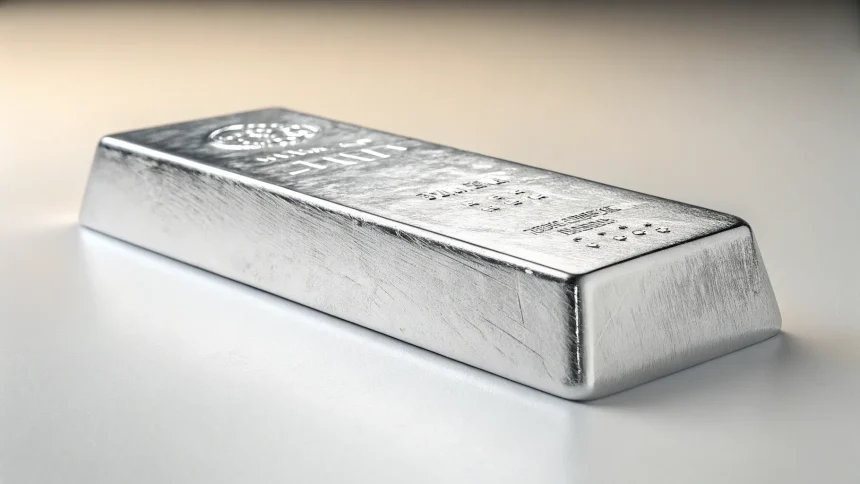
As consumers wrestle with sticky prices and higher borrowing costs, investors are giving silver a fresh look as a hedge and a way to spread risk. Advisors say the metal’s mix of safe-haven appeal and industrial demand is drawing interest from households and fund managers who want options if inflation stays unpredictable.
The pitch is simple and direct. As one adviser put it,
“If you’re worried about increased inflation, adding precious metals like silver to your portfolio can be a smart choice.”
That message is landing after a volatile stretch for prices and policy. U.S. inflation hit a four-decade high above 9 percent in 2022, then cooled but stayed elevated compared with pre-pandemic levels. The Federal Reserve raised rates sharply to slow demand. Investors hunted for assets that could hold purchasing power without locking up cash for years.
Why Silver, and Why Now
Silver is often mentioned in the same breath as gold, but it plays two roles. It trades as a store of value during stress. It also serves as a key input for solar panels, electronics, and medical devices. That industrial side can amplify gains when growth is firm, but it can also make price swings larger during slowdowns.
Analysts say the case today rests on three points. First, inflation uncertainty has not vanished, even as headline numbers cool. Second, high energy and materials costs can support the price floor for mined metals. Third, clean energy policy continues to drive demand for silver-rich solar technology.
Still, silver is not a set-and-forget asset. It is more volatile than gold. It can move sharply with shifts in the dollar, interest rates, and manufacturing data. That is why many professionals frame silver as a diversifier, not a core holding.
How Investors Get Exposure
There are several paths to add silver to a portfolio, each with trade-offs in cost, convenience, and risk.
- Physical bars or coins offer direct ownership, but storage and insurance add expense.
- Exchange-traded funds track spot prices and trade like stocks, with annual fees.
- Mining shares can outperform in bull runs, yet carry company and market risks.
- Futures provide leverage, which can magnify gains and losses.
Advisers often suggest setting a clear role for the metal before buying. Is the goal inflation protection, short-term trading, or a long-term hedge? The answer shapes the right vehicle and position size.
What the Data and History Suggest
During inflationary episodes, precious metals have sometimes outpaced stocks and bonds, though results vary by cycle. Silver’s record is mixed because of its industrial use. It can rally on rising prices and also slide if factories cut orders. The gold-silver ratio, which tracks how many ounces of silver equal one ounce of gold, often widens during fear and narrows when growth steadies. That ratio gives traders a quick read on sentiment.
In recent years, silver demand tied to solar installations has grown as countries expand renewable power. That trend cushions dips when investment demand cools. On the flip side, higher interest rates lift yields on cash and short-term bonds, which compete with metals that do not pay income.
Split Views From the Street
Supporters point to silver’s low correlation with traditional assets. They argue a small allocation can help during inflation spikes or geopolitical shocks. Some recommend capping precious metals at a single-digit share of a portfolio to manage swings.
Skeptics counter that U.S. Treasury Inflation-Protected Securities offer direct inflation linkage without commodity volatility. They also note that timing metals cycles is hard and that fees and spreads can eat into returns, especially for small, frequent trades.
What to Watch Next
Three signals could shape silver’s path in the months ahead. First, inflation readings and wage growth will tell investors if price pressures are easing or sticking. Second, the Fed’s rate path will set the tone for the dollar and real yields, which often move metals. Third, updates from solar makers and electronics producers will show whether industrial demand is firm or fading.
For now, the case for silver rests on its dual identity. It can counter inflation scares and tap growth in clean energy. That mix has fresh appeal for investors seeking balance without betting the farm on one outcome.
The bottom line: silver can play a useful role, but it is no cure-all. Clear goals, careful sizing, and attention to costs matter more than bold predictions. If inflation stays choppy, a measured stake in silver may help steady the ride. If price pressures fade faster, income assets could take the lead. Either way, the next few inflation prints and central bank signals will set the stage.