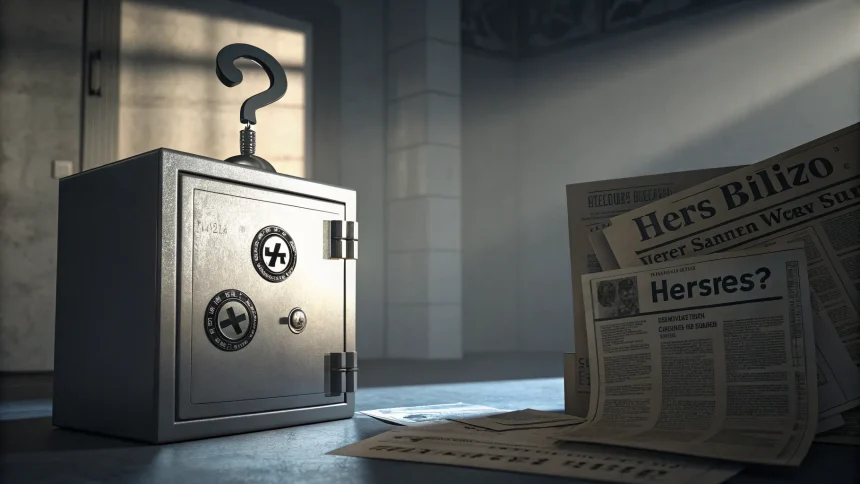
The death of a former adviser to an heir of Hermès has cast fresh uncertainty over a large block of shares worth about €14 billion. The unanswered question is simple and stark: where are the shares, and who controls them? The development adds new tension around one of France’s most valuable companies, with potential ripple effects for governance, disclosure, and family control.
The former adviser to an Hermès heir has died as a longstanding mystery over the whereabouts of company shares worth some €14 billion ($16 billion) remains unsolved.
A Death That Raises More Questions
The adviser’s passing removes a key figure from a story that already lacked clarity. People close to the family had looked to the adviser to explain past arrangements and outline any relevant transfers. Without that voice, the trail appears harder to follow.
Hermès shares are tightly held, and any large, unaccounted block is more than a footnote. It can affect control, voting outcomes, and market confidence. The unanswered ownership question now risks lingering longer.
The Stakes For Hermès Governance
Hermès, founded in 1837 and listed in Paris, has become a market giant on the back of steady growth and scarce supply of its top products. Its market value ranks among Europe’s largest consumer brands. Family shareholders, acting in concert through holding structures, retain a firm grip on the company.
That control is central to Hermès’ long-term strategy. A missing or disputed stake could complicate voting blocs, dividend rights, or potential estate matters. For investors, clarity on who owns what is not just nice to have. It is basic hygiene for a listed company.
What Public Filings Reveal
French market rules require shareholders to flag holdings above certain thresholds. Public filings show the family collectively controls a majority of shares through agreements and vehicles. The free float covers the remainder.
Yet the saga around this large block highlights the limits of public data when private arrangements, trusts, or cross-border holdings are involved. If shares were pledged, transferred, or placed in opaque structures, disclosures might lag or appear fragmented, even when parties aim to comply.
- Investors want confirmation of the current owner.
- Regulators watch for timely threshold disclosures.
- The company seeks predictable voting dynamics.
Family Dynamics And Past Battles
Hermès has a history of guarding its independence. A decade ago, it faced a high-profile run-in with a rival luxury group that quietly built a stake. That confrontation spurred tighter family coordination and renewed focus on long-term control.
Since then, the family’s approach has stressed stability. That is why this latest twist matters. Even if day-to-day operations are unaffected, uncertainty around a multibillion-euro stake can revive old questions about influence and succession.
How Markets May Read The Signals
Markets dislike shadows. Investors will seek assurance that voting rights are settled, dividends flow to the right holders, and any estate or trust disputes will not spill into the annual meeting. Hermès’ strong balance sheet and brand power have long insulated the stock from noise, but governance questions can still sway sentiment.
In the near term, the company could face repeated queries on earnings calls and at shareholder events. Clear, timely updates—whether from involved family members or through official notices—would likely calm nerves.
What Comes Next
The next milestones are familiar: regulatory filings if thresholds are crossed, any court actions that might surface, and signals from family representatives. If a settlement or confirmation of ownership emerges, the issue could fade. If it drags on, pressure will build for fuller explanations.
Hermès has weathered bigger storms and kept its strategy intact. The brand’s demand, pricing discipline, and supply constraints remain the main drivers. Still, the unanswered question hanging over a €14 billion stake is not a detail. It is a test of transparency that markets expect public companies to pass.
For now, the mystery stands. Watch for filings, watch for statements, and watch the shareholder register. The facts will either surface soon—or become the most expensive missing piece in French luxury.