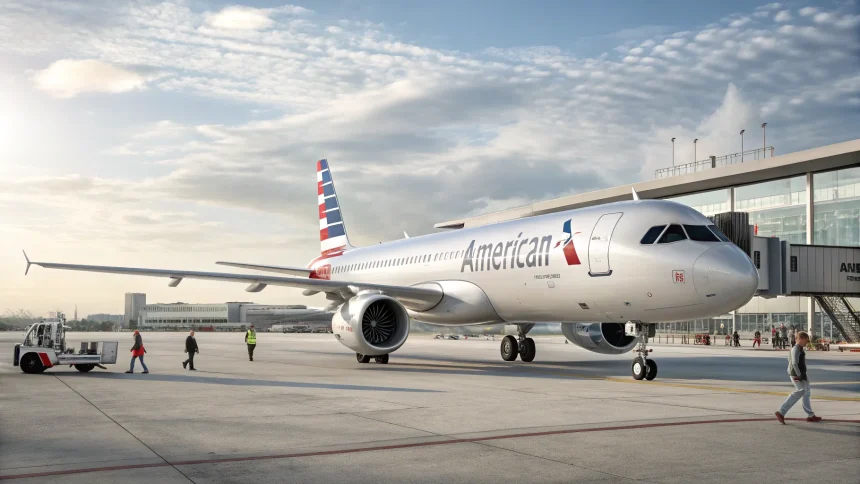
American Airlines is preparing to launch service with the Airbus A321XLR, positioning itself as the first U.S. carrier to fly the long-range, single-aisle jet on transatlantic routes. The move signals a new chapter for narrowbody flights between North America and Europe, with early routes expected from the East Coast to secondary European cities once final approvals are in place.
The airline is betting that the A321XLR’s extended range and lower operating costs will open new markets while upgrading the onboard experience. The aircraft is designed for trips of up to roughly 4,700 nautical miles, a sweet spot for thinner routes that cannot support big widebody jets every day.
Why This Aircraft Matters
Single-aisle jets have crossed the Atlantic before, most famously the Boeing 757. As those aircraft retire, airlines have looked for a modern replacement that can make similar trips with better fuel burn and comfort. Airbus developed the A321XLR as an answer, tweaking its popular A321neo with an extra fuel tank and other modifications to stretch its range.
For American, the jet offers flexibility. It can link cities like Philadelphia, Boston, New York, or even Charlotte to destinations that might be too small for a widebody. That means more nonstop options and less reliance on connections through major hubs.
What Travelers Can Expect Onboard
“American Airlines will be the first U.S. airline to fly the Airbus A321XLR, a single-aisle jet capable of flying to Europe. Here’s what the experience will be like onboard.”
The cabin will lean into long-haul comfort on a smaller frame. Expect lie-flat seats with direct aisle access in the premium cabin, along with a dedicated premium economy section for extra space and upgraded dining. Main Cabin and extra-legroom rows will round out seating, with seatback entertainment and high-speed Wi‑Fi planned across the aircraft.
- Premium seating: Suites with closing doors in business class on select configurations.
- Entertainment: Seatback screens, Bluetooth support, and streaming options.
- Connectivity: Fast Wi‑Fi for messaging, browsing, and video.
- Power: Universal outlets and USB-C at each seat.
- Meals: Multi-course service in premium cabins; upgraded buy-on-board options in economy on longer segments.
Noise-reducing features and LED lighting should help cut jet lag on overnight crossings. The jet’s smaller size may also speed boarding and deplaning, a welcome change after a red-eye.
Routes and Competitive Pressure
American has signaled plans to use the A321XLR on “long, thin” routes where demand is steady but not massive. Think U.S. East Coast cities paired with European business centers or leisure spots that don’t fill a widebody daily. The strategy mirrors how European airlines plan to deploy the type within their networks.
Competitors are watching. United and JetBlue also hold orders for the A321XLR, and both have transatlantic ambitions for the aircraft once their fleets arrive. That could lead to a fresh wave of nonstop routes, with carriers testing seasonal service and adjusting quickly based on performance.
Certification, Timing, and Readiness
The A321XLR has been working through regulatory reviews. European approval arrived first, followed by U.S. certification steps. American’s entry into service will follow those milestones and internal readiness checks, including crew training, maintenance planning, and cabin certification.
While exact first routes and dates can shift, the airline’s messaging points to Europe-focused launches. Summer schedules often drive initial transatlantic debuts, but shoulder seasons can help airlines test new markets with lower risk.
What It Means for Passengers
If the rollout goes to plan, travelers gain more nonstops, better odds of competitive fares, and improved seats on routes that previously required a connection. The small-jet feel will be new for some on a crossing, but the onboard product is built for long hours aloft.
Airlines like the math, too. A full A321XLR can be easier to profitably fill than a larger twin-aisle jet, especially outside peak months. That financial cushion can keep routes alive year-round.
American’s bet on the A321XLR blends network strategy with an upgraded onboard experience. The jet could reset expectations for transatlantic travel on smaller aircraft, with more cities linked nonstop and fewer overnight marathons through hub airports. Watch for route announcements, cabin reveals on delivered aircraft, and how rivals respond with their own long-range narrowbodies. If passengers embrace the comfort and convenience, this small jet may have an outsized impact on how people cross the Atlantic.