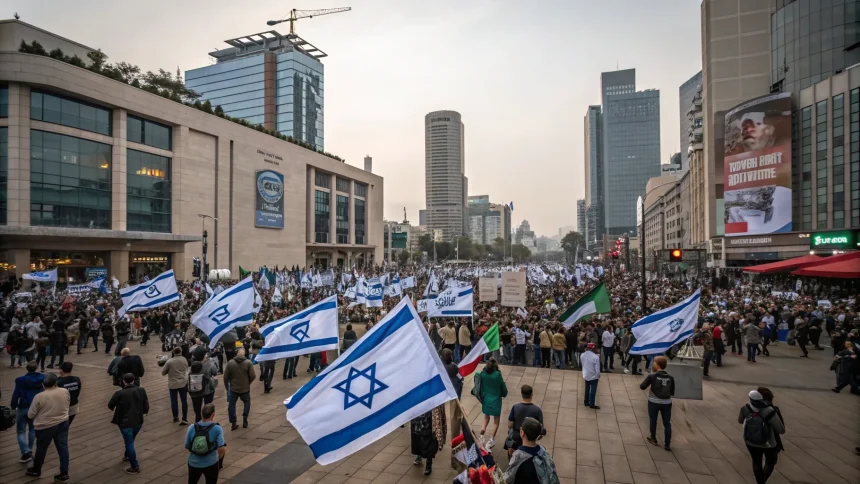
In a rare public push from within Israel’s security ranks, thousands of reservists have joined nationwide calls to end the Gaza war and secure a deal to bring home the remaining hostages. The protests have gathered momentum across major cities, reflecting growing frustration with the war’s length, its toll, and the slow pace of talks. The demonstrations come as pressure builds on leaders to set a clear strategy and timeline.
Background: War, Hostages, and Public Pressure
The war in Gaza began after Hamas carried out a deadly cross-border attack in October 2023, taking hostages into the enclave. Israel launched a large-scale offensive, calling up massive reserve forces to fight alongside active-duty units. Since then, families of captives and broad segments of the public have urged a deal that would end the fighting and return those held in Gaza.
Israel has long relied on reservists, who make up a crucial part of its military structure during prolonged conflicts. Their support is central to sustaining operations. Past waves of protest by reserve units have signaled deep social and political strain, including demonstrations in 2023 over judicial reforms.
What Protesters Are Saying
At rallies and in statements shared online, a clear message has emerged.
“Thousands of reservists have joined calls to end the Gaza war and bring the remaining hostages back.”
Organizers and participants argue that halting the war is the most direct path to a comprehensive hostage deal. Many cite the emotional toll on families and the open-ended demands placed on reserve soldiers who have cycled repeatedly between home and the front.
Government Response and Military Considerations
Israeli leaders have defended the campaign as necessary to weaken Hamas and reduce future threats. Officials argue that sustained pressure improves Israel’s position in negotiations. They say a rushed end could leave hostages at greater risk and allow Hamas to regroup.
Military analysts warn that prolonged reserve mobilization has costs. Employers and families carry the burden when reservists are away for months. Some veterans say morale is tested by an unclear endgame. Defense officials, however, maintain that operations are guided by security priorities and that negotiations continue through mediators.
The Stakes for Hostages and Civilians
Families of captives have kept the plight of hostages in the public eye, organizing vigils, marches, and meetings with officials. They say a negotiated pause or end to fighting is the best chance to secure releases. Many call for a unified national strategy that puts their loved ones at the center.
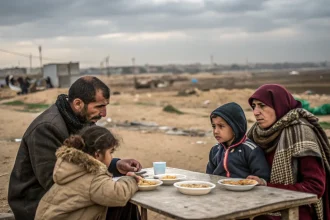
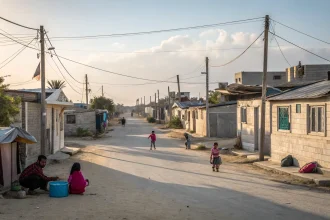
Humanitarian groups warn of the war’s severe impact on Gaza’s civilians. They urge greater access for aid and argue that a cessation would reduce suffering and stabilize the region. Israeli officials counter that Hamas uses civilian areas for cover, complicating the effort to both pressure the group and safeguard noncombatants.
Political Fallout and Public Opinion
The protest wave adds to broader political strain. Opposition leaders have pressed for a clearer policy on the war’s goals, the fate of Gaza after the fighting, and the steps needed to secure a deal. Supporters of the government argue that public pressure should not dictate military timing and that unity is essential until core objectives are met.
- Reservists seek a defined strategy and timeline.
- Families demand a deal that brings everyone home.
- Officials insist pressure on Hamas must continue.
What to Watch Next
Talks through regional and international mediators remain the key test. Any shift in negotiations could change the pace of the fighting and the outlook for the hostages. Movement on prisoner exchanges, cease-fire terms, or postwar governance would signal a new phase.
For now, the protests show that front-line fatigue and public concern are shaping the debate. The central demand is clear: end the Gaza war and bring the remaining hostages back. Whether leaders can balance battlefield aims with that call will define the next chapter.