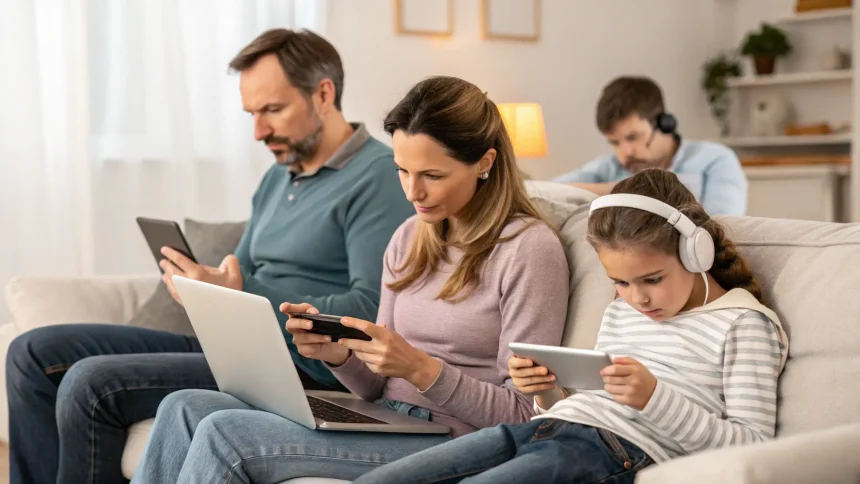
Concerns about screen time have grown as links emerge with depression, obesity, and poor sleep. Parents, teachers, and clinicians are asking how worried they should be. The debate is urgent as phones, tablets, and streaming fill more hours at home, school, and work.
Experts say some risks are real, but size and cause are often unclear. The strongest evidence points to sleep loss and displaced activities like exercise and face-to-face time. Mental health links exist, but they are usually small and can be explained by many other factors.
How We Got Here
Warnings about screens date back to television. New devices added social media, gaming, and endless video. Headlines often tied these changes to rising anxiety and weight gain. But research has moved slowly, and many early studies were small or relied on self-reports.
Health groups responded with practical guidance. Pediatric organizations urge limited screen use for very young children and stress sleep and family routines. Many schools now include digital literacy and breaks from devices. The conversation has shifted from panic to balance.
What the Evidence Shows
“Screen time has been linked to all sorts of problems, from depression and obesity to poor sleep. But how worried should you really be?” — Jacob Aron
Studies find that more screen time often aligns with worse sleep. Blue light can delay sleep, and late-night scrolling pushes bedtimes later. Tired students and workers report lower focus and mood the next day.
Links to weight gain are mixed. Time spent sitting can replace active play or exercise. Snacking while watching also adds calories. But content matters. Fitness apps and active games can increase movement.
The link between social media and depression is widely studied and modest in many reports. For some teens, heavy use aligns with lower well-being. For others, online social ties help. Causation runs both ways. People who feel low may use screens more.
Why Context Matters
What people do on screens is as important as how long they spend. Video calls with family, online classes, and creative projects differ from mindless scrolling. Quality, timing, and purpose shape outcomes.
Age also matters. Young children need sleep, language, and play. Teens need social contact and guidance. Adults face work demands and stress. Household rules and school norms set expectations that help.
Different Viewpoints
Clinicians often focus on sleep and mood. They ask about bedtime habits, night-time notifications, and whether screens replace exercise or meals. Educators look at attention and classroom use. They see gains from digital tools when paired with breaks and clear goals.
Parents worry about safety, bullying, and time lost to apps designed to hook attention. Technology companies have added screen-time controls and reminders. Critics say design changes should go further to reduce compulsive use.
What Helps Right Now
Experts widely support simple, steady habits:
- Protect 8 to 10 hours of sleep for school-aged children and teens.
- Keep screens out of bedrooms at night.
- Plan device-free meals and face-to-face time each day.
- Set clear limits for younger children and co-view when possible.
- Swap some passive time for active or creative use.
- Review privacy and safety settings together.
Trends and Open Questions
Researchers are testing whether changing screen habits improves sleep and mood. Long-term studies aim to separate cause from correlation. They are tracking differences between passive viewing, active creation, social use, and gaming.
Regulators are weighing rules on youth protections, data use, and design. Schools are refining phone policies and digital skills training. Workplaces are testing right-to-disconnect policies to curb late-night messages.
The Bottom Line
Screen time can affect sleep and push out healthy routines. Mental health links exist but are often small and tangled with other parts of life. Families and schools that set routines, protect sleep, and make screen use purposeful see better outcomes.
As Jacob Aron suggests, worry helps most when it leads to action. Watch sleep, mood, and time use, not just the clock. The key question is whether screens support goals or push them aside. Expect stronger evidence as new studies report. For now, protect nights, plan breaks, and choose quality over sheer hours.