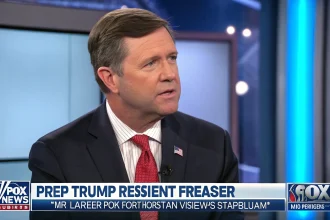
A sharp rise in student loan debt is drawing fresh scrutiny, as analysts warn of mounting pressure on household budgets and the broader economy. The conversation hit morning television when FOX Business journalist Gerri Willis spotlighted the trend on Mornings with Maria, raising questions about what comes next for borrowers and taxpayers.
At stake are millions of Americans who resumed payments in late 2023 after a pandemic pause. They face higher living costs and shifting federal rules. Policymakers are split on how to ease the burden without driving up tuition or federal costs.
What We Know So Far
Gerri Willis breaks down the “explosion” in student loan debt on Mornings with Maria.
Federal Reserve data show Americans now hold about $1.77 trillion in student loan debt. Balances rose even as many borrowers paused payments from 2020 to 2023. Interest continued to accumulate before the freeze and after it ended.
In June 2023, the Supreme Court blocked a plan for broad cancellation. The administration shifted to targeted relief. The Department of Education says more than $160 billion has been canceled for over 4 million borrowers through fixes to income-driven repayment, Public Service Loan Forgiveness, and borrower defense claims.
Resuming payments in October 2023 collided with persistent inflation. Rent and food costs rose faster than wages for many households. That math leaves less room for monthly student loan bills.
Why Balances Keep Climbing
College costs have outpaced family incomes for decades. Public universities raised tuition as state funding fell. Private colleges leaned on amenities and discounts, which complicated pricing. Borrowers often stacked undergraduate and graduate loans.
Interest plays a quiet role. A borrower who pauses or uses forbearance can watch balances grow. Even modest rates add up over years of repayment. Many graduates refinance only after they build strong credit.
- Tuition growth outstrips wage growth.
- Interest accrual increases total repayment.
- Graduate and professional programs drive larger balances.
Policy Shifts And Legal Fights
The SAVE income-driven repayment plan cut payments for many borrowers by tying them to discretionary income and limiting unpaid interest. Some states challenged parts of the plan, creating legal uncertainty. For now, most borrowers remain enrolled and are making reduced payments.
Targeted relief continues through case-by-case reviews. Fixes to payment counting have helped public servants and long-time borrowers. But critics argue piecemeal relief does not address rising college prices.
Republican lawmakers warn that expansive relief shifts costs to taxpayers and risks moral hazard. Higher education leaders say long-term fixes should include accountability for outcomes and stronger need-based aid.
Household Strain And Economic Ripple Effects
Economists are watching spending patterns as payments restart. Borrowers may cut back on travel, dining, and big-ticket items. That could weigh on retail and services in the near term.
Young households often delay milestones. Analysts link student debt to later homebuying, lower retirement savings, and lower rates of small business formation. Lenders, meanwhile, pay close attention to debt-to-income ratios and credit scores when approving mortgages.
Not all debt is the same. Borrowers with graduate degrees often have higher incomes and can manage payments. Those who left college without a degree face the toughest squeeze. They carry debt but do not benefit from the wage bump a diploma brings.
What Colleges And Employers Are Doing
Some universities are freezing tuition or expanding work-study and need-based grants. Others are trimming nonessential programs to slow cost growth. Transparency on program outcomes is gaining traction, with more schools publishing earnings data by major.
Employers are using student loan benefits to recruit workers. A growing number offer monthly contributions to loans, sometimes paired with retirement matches that reward repayment. These perks are still uneven across industries.
The Road Ahead
Congress faces pressure to review the federal loan system. Proposals include stricter oversight of programs with poor job outcomes, simpler repayment plans, and better counseling before students borrow. State lawmakers are weighing how much to restore public funding for universities.
For borrowers, the advice is practical. Know your servicer. Enroll in an income-driven plan if needed. Watch for relief programs that match your job history or school record. And avoid forbearance when a lower payment option exists.
The debt surge is real, and the choices now will shape family finances for years. Expect more legal battles over repayment rules, steady but targeted relief, and louder calls to rein in college costs. The question is not whether the bill comes due, but who pays—and when.